Are Shad Good to Eat?
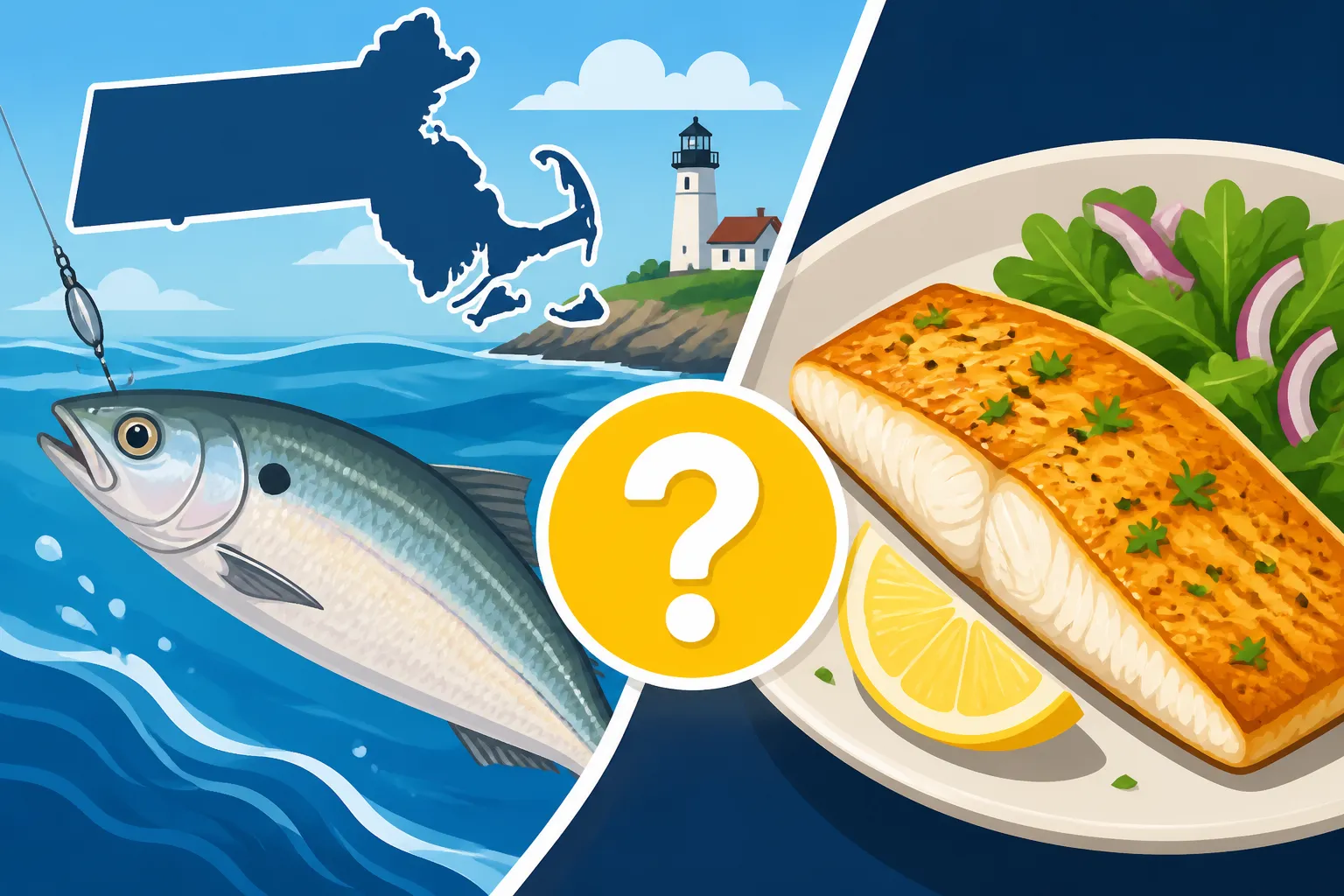
Many anglers in Massachusetts have caught shad, or heard tales of their incredible fighting spirit during the spring runs, but then wonder: "Are these fish actually good to eat?" The truth is, while shad have a bit of a reputation for being bony, they are absolutely delicious with the right preparation, and overlooking them means missing out on one of our state's finest seasonal delicacies. This guide will walk you through everything you need to know to enjoy shad on your dinner table, transforming a challenging fish into a culinary triumph.
Unpacking the Flavor: What Does Shad Taste Like?
Let's get right to it: what does American Shad, a true anadromous marvel, actually taste like? Forget those rumors you might have heard about them being "trash fish." Those folks just haven't tasted them prepared correctly! Shad, when fresh and properly handled, offers a rich, distinctive flavor that many compare to a cross between wild salmon and a herring, but with its own unique buttery nuance.
The Unique Profile of American Shad
The taste of American Shad is often described as rich, oily, and intensely flavorful, a testament to their ocean migrations and the healthy diet they maintain. It's not a delicate, flaky white fish like cod or haddock; it has more body and a robust character. When you take that first bite, you'll notice a richness that comes from the omega-3 fatty acids, similar to mackerel or bluefish, but typically less "fishy" in aroma. This oil content makes them incredibly moist when cooked and gives them a satisfying mouthfeel. Some enthusiasts even detect a hint of sweetness, especially in fish caught early in their spawning run when they're still carrying a lot of ocean fat. This robust flavor stands up well to bolder seasonings and cooking methods, making them a versatile ingredient in the kitchen.
Freshness is Key: Maximizing Shad Flavor
Like with any fish, freshness is paramount when it comes to American Shad. A freshly caught shad, bled immediately and kept on ice, will have a vastly superior flavor and texture compared to one that's been poorly handled. The oils in shad can turn rancid quickly if not properly chilled, leading to an off-putting taste. I always recommend getting your shad from the water to the cooler as fast as possible, ideally bleeding them right after the catch. This helps preserve the quality of the meat. Think of it like a fine steak; you wouldn't let it sit out, and the same goes for these flavorful fish. The sooner you get them cleaned and cooked, or properly frozen, the better your eating experience will be. This is especially true given their oily nature; those beneficial fats are also highly susceptible to degradation.
Comparing Shad to Other Massachusetts Fish
If you're trying to place shad on your mental taste spectrum of Freshwater Fish Species in Massachusetts or Saltwater Fish Species in Massachusetts, it's helpful to consider some comparisons. It's definitely not like a delicate brook trout or a mild flounder. Instead, imagine the richness of a bluefish but perhaps a bit more refined, or the oiliness of a mackeral without quite the same strong "sea" taste. Some even say it's reminiscent of certain types of salmon, particularly wild varieties, given its firm, reddish-orange flesh and high fat content. However, shad truly has its own identity. It's a taste that, once acquired, many anglers look forward to year after year, particularly during the brief but exciting When the shad run happens on the Connecticut River. It’s a seasonal delicacy that truly marks the arrival of spring in our Massachusetts rivers.
The Truth About Shad Bones: Overcoming the Challenge
Alright, let's address the elephant in the room, or rather, the tiny bones in the shad. The reputation of shad as being "bony" is well-earned, but it's not an insurmountable obstacle. Think of it as a gatekeeper to a delicious reward!
Why Shad Are So Bony and How to See Past It
American Shad are indeed famous, or perhaps infamous, for their hundreds of small, Y-shaped intramuscular bones. These aren't like the easily picked-out pin bones of a salmon; they're incredibly fine and numerous, running throughout the fillets. For many, this is the primary reason they shy away from eating shad, understandably so. Trying to pick them out at the dinner table can be a frustrating experience, turning a meal into a forensic examination. However, seasoned shad eaters know that these bones don't make the fish inedible; they simply demand a specific approach. Rather than seeing it as a flaw, consider it a characteristic that requires a little extra knowledge and technique, much like preparing certain poultry cuts or handling delicate shellfish. It's all part of the unique experience of enjoying this particular fish.
The 'Five-Cut' Filleting Technique: A Step-by-Step Guide
This is where the magic happens for most shad enthusiasts. The "five-cut" filleting method, sometimes called the "fillet of a thousand bones" technique, is designed specifically to render the small bones harmless by separating them from the main meat. It takes practice, but it's incredibly rewarding.
Here’s a basic overview of how it works:
- Standard Fillet: First, you fillet the shad as you would any other fish, removing the two main fillets from either side of the backbone. You'll notice the rows of tiny bones running through the meat.
- Rib Cage Removal: Carefully cut out the rib cage section from each fillet.
- The "Y-Bone" Incisions: This is the crucial step. Lay a fillet skin-side down. Starting from the head end, make parallel cuts, about 1/4 to 1/2 inch apart, almost through the fillet, stopping just before the skin. Do this across the width of the fillet. You'll be cutting between the rows of tiny Y-bones, not through them.
- Second Set of Incisions: Rotate the fillet 90 degrees and repeat the process, making another series of parallel cuts, again about 1/4 to 1/2 inch apart, creating a grid pattern.
- Skin Removal (Optional): If you haven't already, remove the skin.
The goal of these cuts is not to remove the bones, but to shorten them into tiny segments that become virtually undetectable when cooked, or at least easily chewed and swallowed. Some find a sharp, flexible fillet knife is key here. You can find excellent options on Amazon, which can make all the difference when tackling these delicate cuts. A quality knife can significantly reduce frustration and improve your results.
Alternative Ways to Manage Bones for Enjoyable Eating
If the "five-cut" method still feels daunting, don't despair! There are other fantastic ways to enjoy shad without picking out a single bone.
- Smoking: Smoking shad is a popular method that softens the bones to the point where they become edible and unnoticeable. The long, slow cooking process in a smoker tenderizes the meat and breaks down those troublesome bones. Plus, the smoky flavor perfectly complements the richness of the shad. This is my absolute favorite way to prepare them, and it makes for fantastic fish dip or sandwich spread.
- Pressure Cooking/Canning: Similar to smoking, pressure cooking or canning can soften the bones to the point of being entirely digestible. Think of canned salmon or sardines; their bones are often eaten right along with the meat. This method transforms shad into a convenient, shelf-stable, and bone-free protein source. It’s a bit more involved, but if you have the equipment, it's a great option for a larger catch.
- Grinding: For those who truly want no bone issues, you can grind the shad fillets after a rough deboning. This ground fish can then be used in fish cakes, burgers, or even a flavorful fish stuffing, where any remaining tiny bone fragments are completely pulverized.
Each of these methods opens up delicious possibilities, proving that shad’s bony nature is merely a characteristic, not a condemnation of its culinary value.
From River to Plate: Best Practices for Preparing Shad
Once you've mastered the art of handling those bones, or chosen a bone-friendly cooking method, you're well on your way to a fantastic meal. The next step is proper cleaning, storage, and, of course, some mouth-watering recipes.
Cleaning and Storing Your Catch
The first step after a successful day on the water, perhaps reeling in a few beauties from the Connecticut River Fishing in Massachusetts, is to clean your fish properly.
- Bleeding: As mentioned, bleeding your shad immediately after catching them helps immensely with flavor. Simply make a cut across the gills to sever the main arteries and let them bleed out in a bucket of cold water or directly on ice.
- Scaling: Shad have delicate scales that are relatively easy to remove. A good fish scaler, which you can easily find on Amazon, will make quick work of this. Work against the grain of the scales under running water.
- Gutting: Make an incision along the belly from the vent to the gills and remove all internal organs. Pay special attention to removing the dark bloodline along the backbone, as this can impart a strong, unpleasant flavor if left in. Rinse the cavity thoroughly.
- Filleting (if applicable): If you plan to fillet, do so now, employing your chosen bone-management technique.
- Storage: For immediate consumption, keep the cleaned fish or fillets on ice in the refrigerator for no more than a day or two. For longer storage, vacuum seal the fillets or whole fish (if you're planning to smoke or pressure cook them whole) and freeze them. This helps prevent freezer burn and maintains quality.
Popular Shad Recipes and Cooking Methods
The rich flavor of shad really shines through with a variety of cooking methods.
- Baking/Broiling: These are classic methods. After filleting (using the five-cut method), season your shad with salt, pepper, lemon, and perhaps some herbs like dill or parsley. A little olive oil or butter keeps it moist. Bake at 375-400°F (190-200°C) for 15-20 minutes, or broil until flaky. The high heat helps to further break down any remaining tiny bone segments in the 'five-cut' fillets. A simple pan of baked shad with roasted asparagus makes for a lovely spring dinner.
- Grilling: Grilling imparts a wonderful smoky flavor that complements the richness of shad. You can grill whole shad (again, with the bones addressed by scoring) or thick fillets. Just be sure to oil the grates well to prevent sticking. A cedar plank can also be used to infuse additional flavor and moisture.
- Frying: Southern-style fried shad is a beloved tradition, especially with "planked shad" recipes where the fish is traditionally nailed to an oak plank and cooked next to an open fire. For home cooking, pan-frying or deep-frying bone-managed fillets can be incredibly tasty, creating a crispy exterior and tender interior. A light cornmeal breading works beautifully.
- Smoking (Revisited): As mentioned, smoking is a fantastic way to prepare shad, virtually eliminating the bone issue while adding incredible flavor. Many different wood types can be used, from apple to hickory, each imparting a unique character. Smoked shad is excellent on crackers, in salads, or flaked into a spread.
Remember, the key is not to overcook shad. Its rich oil content keeps it moist, but like any fish, it can dry out if left on the heat too long. Cook until it just flakes easily.
The Delicacy of Shad Roe: A Springtime Treat
Beyond the fillets, American Shad offers another incredible delicacy: its roe. Shad roe is highly prized by gourmands and is often considered a gourmet item, fetching high prices in specialty markets. It's only available for a short window during the spring Massachusetts Fishing Seasons Explained.
Shad roe usually comes in a pair of sacs, resembling small orange brains. It has a rich, slightly livery flavor and a unique texture that's creamy yet granular. The most common preparation involves pan-frying or sautéing the roe. Often, it's lightly dusted with flour, seasoned, and then pan-fried in butter or bacon fat until golden brown and cooked through. It’s frequently served with lemon wedges, bacon, or a squeeze of fresh lime to cut through its richness. Some even poach it first before frying. If you're lucky enough to catch a female shad full of roe, consider yourself truly blessed – it's an experience every angler should try at least once! Just like handling the fish, having the right small pan and spatula for delicate cooking can make a difference, and Amazon has many options that fit the bill.
Where and When to Catch Delicious Shad in Massachusetts
To enjoy shad on your plate, you first need to catch them! Massachusetts is fortunate to have healthy populations of American Shad, particularly in some of our larger river systems.
Identifying American Shad and River Herring in Our Waters
When you're out fishing, it's important to know what you're catching, especially with species like shad. American Shad (also known as "white shad") are easily identifiable. They are a large member of the herring family, typically silvery with a darker, bluish-green back, and a deep body. They have a distinctive row of small, dark spots along their sides, usually one prominent spot near the gill plate followed by several fainter ones.
It's also important to distinguish them from other "river herring" species like Alewife and Blueback Herring. While these smaller herring are also anadromous, they are typically much smaller than American Shad and are usually not targeted for their meat in the same way, though they are crucial baitfish. The regulations for River Herring Runs in Massachusetts are very strict, often prohibiting their harvest entirely, as they are a protected species critical to the ecosystem. Always check the latest Massachusetts Fishing Regulations Pamphlet, Explained to ensure you're correctly identifying your catch and adhering to all rules. American Shad can grow up to 30 inches and weigh several pounds, whereas alewife and blueback herring rarely exceed 15 inches.
Prime Locations and Seasons for Shad Fishing
The best time to target American Shad in Massachusetts is during their spring spawning run, typically from April through early June, depending on water temperatures. They migrate from the ocean into freshwater rivers to spawn.
Some of the most productive rivers for How to catch American shad in Massachusetts include:
- Connecticut River: This is arguably the premier shad fishery in Massachusetts. Upstream of Holyoke Dam and below it, the fishing can be exceptional. Areas like South Hadley and Gill are popular spots. The fish migrate significant distances upriver, providing ample opportunity for shore and boat anglers. You'll often see them jumping and splashing during their peak run.
- Merrimack River: Another fantastic river system, particularly the sections near Lowell and Lawrence.
- Charles River: While closer to urban areas, some shad do make their way up the Charles, offering unique opportunities for city-bound anglers.
- Smaller Coastal Rivers: Some smaller coastal rivers and estuaries can also see runs of shad, though often in lesser numbers.
Focus your efforts during the peak of the run, usually mid-May, when water temperatures are just right for spawning. Look for areas with current breaks, eddies, and deeper pockets where shad might rest during their upstream journey.
Regulations and Responsible Shad Harvesting
Even though American Shad are generally abundant and not listed as endangered, it's crucial to be a responsible angler. Always consult the most current Massachusetts fishing regulations for specific rules on bag limits and seasons. These regulations can change year to year based on stock assessments and conservation needs.
While shad are not often subject to strict size limits like striped bass, there will be Massachusetts Freshwater Daily Catch Limits you need to adhere to. It's always a good practice to only take what you plan to eat and to handle fish carefully if you're practicing catch and release. Using barbless hooks can minimize harm to fish you intend to release, especially when these fish are focused on their critical spawning mission. By fishing responsibly, we ensure that the delicious bounty of American Shad will be available for future generations of Massachusetts anglers to enjoy.
| Characteristic | American Shad | River Herring (Alewife/Blueback) |
|---|---|---|
| Typical Size | Larger; commonly 18-24 inches, can exceed 5 lbs. | Smaller; typically 10-15 inches, rarely over 1 lb. |
| Appearance | Silvery, bluish-green back. Deep body. Distinct row of small, dark spots along side (often 1 prominent, then fainter). | Silvery, darker back (blueback herring has bluer back). Usually one faint spot behind gill plate. Body is more slender compared to American Shad. |
| Edibility/Target | Highly prized for rich, oily flesh and roe. Targeted for eating. | Primarily important as baitfish and forage for other species. Harvest often restricted or prohibited. Generally not targeted for human consumption. |
| Primary Fishing Season | Spring (April-June) during spawning runs in large rivers. | Spring (March-May) during spawning runs. Often protected species, so check regulations very carefully as harvest is usually illegal or highly restricted in Massachusetts. |
| Habitat in MA | Large rivers (CT, Merrimack, Charles), coastal estuaries. | Rivers and streams connected to the ocean. |
Disclaimer
This article is for general informational purposes only and does not constitute professional advice. Laws, prices and regulations vary by location and change over time. Consult a qualified professional for guidance on your specific situation.