Does Massachusetts Have License Reciprocity With Connecticut?
It can be incredibly frustrating to plan a fishing trip, only to hit a wall of confusing regulations when you realize your dream spot might be just across a state line. Many anglers wonder if their Massachusetts fishing license will cover them when they venture into the beautiful waters of Connecticut, or vice-versa, hoping to avoid the hassle and expense of buying multiple permits. This guide is here to untangle that knot of uncertainty, explaining exactly how fishing license reciprocity works (or doesn't work!) between Massachusetts and Connecticut, and what steps you need to take to ensure you're fishing legally and stress-free, no matter which side of the border you cast your line.
The Clear Reality: No General Reciprocity for Massachusetts and Connecticut Fishing Licenses
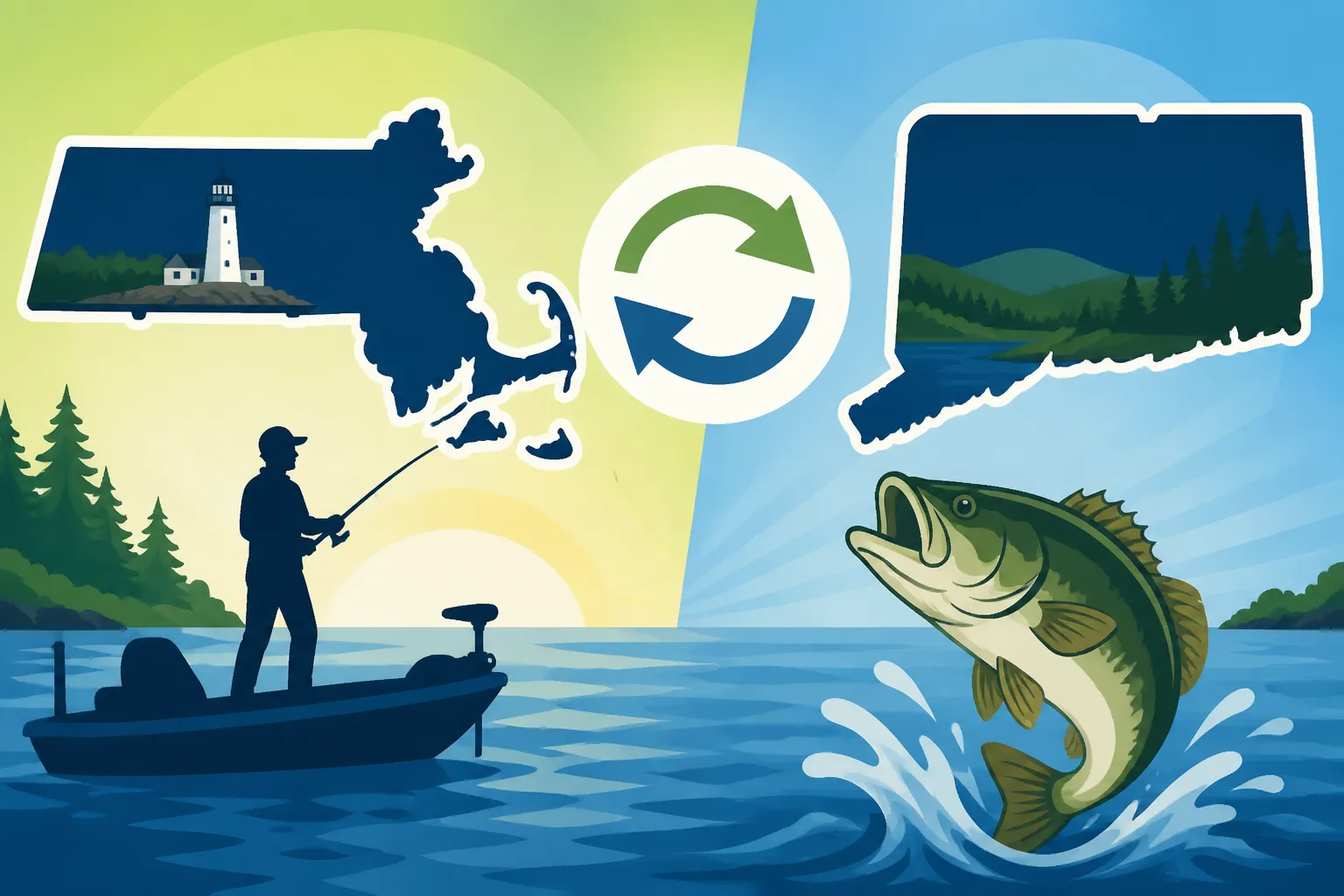
Let's cut right to the chase because nobody likes ambiguity, especially when it comes to avoiding fines. Generally speaking, Massachusetts and Connecticut do not have a broad, reciprocal agreement for recreational fishing licenses. This means if you hold a valid Massachusetts fishing license, it typically won't grant you the right to fish in Connecticut's state waters, and a Connecticut license won't cover you in Massachusetts.
This can be a bit of a bummer, especially for those of us living close to the state borders, where a favorite fishing hole might literally straddle the line. You might be standing on a riverbank in Agawam, Massachusetts, looking at prime fishing water in Suffield, Connecticut, and think, "Surely my MA license covers me here?" The answer, more often than not, is no. Each state maintains its own licensing system, revenue streams, and conservation programs, and these are funded directly by the sale of their respective licenses. Sharing that revenue or granting blanket reciprocity is far less common than many anglers hope, especially when it comes to general recreational licenses for all waters.
Understanding Why States Don't Often Share Fishing License Privileges
The idea of a single fishing license valid across state lines sounds wonderfully convenient, but the reality of how state wildlife agencies are funded and operate makes it a complex issue. Each state's Division of Fisheries and Wildlife (or equivalent) is typically responsible for managing its own natural resources, including fish populations, habitat conservation, and enforcement of fishing regulations.
State Funding and Conservation Efforts
When you purchase a fishing license in Massachusetts, a significant portion of that fee goes directly into funding the MassWildlife agency. These funds are crucial for things like trout stocking programs, habitat restoration projects, scientific research on fish populations, and the salaries of environmental police officers who enforce regulations and protect our waterways. The same applies to Connecticut's Department of Energy and Environmental Protection (DEEP). If Massachusetts were to accept a Connecticut license, it would essentially be allowing anglers to use Massachusetts resources without contributing to the specific conservation efforts funded by Massachusetts license sales. This is a primary reason why broad reciprocity is rarely implemented.
Think about it this way: Massachusetts invests considerable resources in maintaining its unique fisheries, from the serene ponds of the Berkshires to the vast expanse of Nantucket Sound. These efforts are tailored to the specific ecological needs and angler demands within the Commonwealth. While both states undoubtedly share a common goal of healthy fisheries, their individual approaches and funding mechanisms are distinct. This is why understanding your Massachusetts Fishing License Requirements by Age or the nuances of the Massachusetts Freshwater vs Saltwater License Differences is so crucial, as these systems are designed to fund local conservation.
Jurisdictional Boundaries and Enforcement Challenges
Another significant hurdle is the clear delineation of jurisdictional boundaries. While a river like the Connecticut River flows through both states, the actual "line" where one state's authority ends and the other begins can be precise and legally defined. Enforcement officers from Massachusetts have jurisdiction over Massachusetts waters, and their Connecticut counterparts over Connecticut waters.
Imagine an environmental police officer from Massachusetts encountering an angler on the Connecticut River who only possesses a Connecticut license, but is clearly fishing on the Massachusetts side. Without a reciprocity agreement, that angler would be in violation of Massachusetts law. Cross-deputization or complex agreements would be necessary to allow officers from one state to enforce the other's licensing laws, which adds layers of bureaucracy and legal challenges. This is precisely why, even on shared waterways, it's generally safer and legally sound to carry the appropriate license for the state you are actively fishing in. It helps streamline enforcement and ensures that the funds from your license purchase are going to the correct regulatory body.
Navigating Cross-Border Fishing: What You Actually Need
So, if you can't rely on reciprocity, what do you need to do if you want to fish in both Massachusetts and Connecticut? The answer is straightforward: you'll need separate licenses for each state. This means purchasing a Massachusetts license to fish in Massachusetts waters and a Connecticut license to fish in Connecticut waters.
Securing Your Massachusetts Fishing License
For fishing within the Bay State, you'll need either a freshwater fishing license, a saltwater recreational fishing permit, or a combination of both, depending on what and where you plan to fish. Massachusetts offers various options, including annual licenses, and specific permits for certain areas like the Quabbin Reservoir.
If you're a Massachusetts resident, the Massachusetts Resident Fishing License Cost is typically lower than for non-residents. Non-residents, however, have several options including a full annual license or potentially shorter-term options if available, which you can explore in the Massachusetts Fishing License for Nonresidents guide. The easiest way to get your Massachusetts license is often online through the MassFishHunt system, as detailed in the How to Buy a Massachusetts Fishing License Online guide. You can also visit authorized vendor locations, often found in sporting goods stores.
Remember to consider if you'll be fishing for trout, bass, or something else, as these are all covered under the general freshwater license, but saltwater species require the saltwater permit. While Massachusetts does have some free fishing days, these are specific events and do not mean a general waiver of license requirements for other times.
Obtaining a Connecticut Fishing License
To fish in Connecticut, you'll need to acquire a license from the Connecticut DEEP. Like Massachusetts, Connecticut offers licenses for freshwater, saltwater, or combination. They also have different pricing tiers for residents and non-residents. You can purchase Connecticut fishing licenses online through their licensing system, at many town clerks' offices, or at authorized outdoor gear retailers throughout the state.
Their system is similar to Massachusetts, requiring you to specify whether you are a resident or non-resident, your age, and the type of fishing you intend to do. It's always a good idea to check the most current Connecticut DEEP regulations and licensing fees directly on their website before your trip, as these can change annually. Just as with Massachusetts, you'll want to be sure you understand the Massachusetts Recreational Fishing Rules and Bag Limits for any specific species you target, and you'll want to check Connecticut's rules as well.
Planning Your Cross-Border Fishing Adventure
While needing two separate licenses might feel like an extra step, it's a small price to pay for the peace of mind that comes with knowing you're fishing legally and contributing to conservation in both states. With a little planning, you can easily enjoy the diverse fishing opportunities that both Massachusetts and Connecticut have to offer.
Researching Regulations for Both States
Before you even pack your tackle box, dedicate some time to thoroughly researching the regulations for both states. This isn't just about licenses; it's about understanding daily bag limits, size restrictions, season dates, and any gear restrictions. For instance, the Massachusetts Striped Bass Slot Limit Explained is very specific, and Connecticut will have its own rules for striped bass and other popular species.
Consider the specific body of water you plan to fish. Is it a tidal river? A large lake? Some waters that cross state lines might have specific agreements or nuances, but these are exceptions, not the rule, and always require careful verification with both states' wildlife agencies. Don't assume. A quick call to MassWildlife and Connecticut DEEP can save you a lot of headache. You can usually find their contact information easily online.
Essential Gear and Preparedness
Having the right gear is always important, and when you're fishing across state lines, it's a good idea to consider versatility. Many anglers, myself included, will often pick up smaller, essential items like specific lure kits, terminal tackle, or waterproof fishing bags from online retailers like Amazon to supplement their existing gear, ensuring they're prepared for whatever conditions or species they might encounter in either state.
Always carry both licenses (or clear, accepted digital proof) with you, regardless of which side of the border you're fishing. Environmental police officers regularly patrol these areas, and being able to quickly present your valid license is key. Beyond that, pack according to the season and location, bring plenty of water, and let someone know your fishing plans, especially if you're exploring new waters. A good first aid kit is never a bad idea either!
Special Considerations for Shared Waterways
The Connecticut River is a prime example of a major waterway that flows through both Massachusetts and Connecticut. While the river itself connects the two states, the general rule of separate licenses still applies.
The Connecticut River and State Boundaries
When fishing the Connecticut River, you must possess the license for the state whose waters you are currently in. This can be tricky if you're on a boat, as the state line often runs down the middle of the river or along a specific channel. If you launch your boat in Massachusetts and plan to drift into Connecticut waters, or vice-versa, you'll need both licenses.
For example, if you're targeting smallmouth bass in the Connecticut River from the Hadley, MA side, you need a Massachusetts freshwater license. If you then motor downriver and decide to cast your line near Windsor Locks, CT, you'd need a Connecticut freshwater license. There isn't a magical line where your Massachusetts license suddenly becomes valid in Connecticut, or where a Connecticut license suddenly works in Massachusetts. It's about respecting the boundaries and regulations of each sovereign state. Always err on the side of caution and ensure you have the correct documentation for your current location on the water.
What About Federal Waters?
It's also worth noting that while state licenses cover state waters, certain highly migratory species in federal waters (generally beyond 3 miles offshore) are governed by federal regulations, not state regulations. However, this doesn't create reciprocity for state licenses. Even if you're fishing for tuna way offshore in federal waters, you'd still typically need the state saltwater permit from the state you launched from or landed in to cover your transit through state waters and compliance with state-specific reporting. For example, a Massachusetts Saltwater Recreational Fishing Permit Explained is essential for those venturing into the Atlantic, even if federal rules apply further out.
| Feature / State | Massachusetts Fishing License | Connecticut Fishing License |
|---|---|---|
| Reciprocity | No general reciprocity with CT | No general reciprocity with MA |
| Freshwater Required | Yes, for all freshwater fishing | Yes, for all freshwater fishing |
| Saltwater Required | Yes, separate MA Saltwater Permit | Yes, separate CT Marine Waters License |
| Where to Purchase | MassFishHunt online, vendors | CT DEEP online, town clerks, vendors |
| Residency Rates | Different rates for residents/non-residents | Different rates for residents/non-residents |
| Combined Licenses | Freshwater + Saltwater Combo available | Inland Fishing + Marine Waters Combo available |
| Key Point | Must have license for the state you're fishing IN | Must have license for the state you're fishing IN |
Ultimately, while the lack of reciprocity between Massachusetts and Connecticut might require a bit more legwork for cross-border anglers, it's a standard practice across most states. Embrace the opportunity to explore new waters and contribute to the conservation efforts that make fishing in both the Bay State and the Constitution State so enjoyable!
Disclaimer
The information provided in this guide is for general informational purposes only and is not a substitute for official legal advice or regulations. Fishing laws and regulations, including licensing requirements, can change frequently. Always consult the most current regulations directly from the Massachusetts Division of Fisheries and Wildlife (MassWildlife) and the Connecticut Department of Energy and Environmental Protection (DEEP) before engaging in any fishing activities.