Deerfield River Trout Fishing Spots in Massachusetts
Many anglers find themselves frustrated when trying to pinpoint the best trout fishing spots on sprawling rivers, often wasting precious fishing time searching for prime locations or understanding the nuanced regulations that vary even within the same waterway. Navigating the Deerfield River in Massachusetts, with its diverse sections and specific rules, can feel particularly daunting. This comprehensive guide will meticulously break down the Deerfield River, highlighting its most productive trout fishing zones, seasonal strategies, essential gear, and crucial regulations to help you maximize your success and truly enjoy this incredible fishery.
Understanding the Deerfield River's Trout Ecosystem
The Deerfield River, flowing through western Massachusetts, isn't just a river; it's a dynamic trout haven shaped by its unique geography and the management efforts that make it one of the state's premier cold-water fisheries. Its waters originate in Vermont and wind their way through the Berkshires, offering an incredible variety of habitats for trout.
The Role of Dam Releases and Water Temperatures
One of the most defining characteristics of the Deerfield River is its regulation by a series of hydroelectric dams. While these dams provide power, they also significantly influence water flow and temperature, which in turn dictate trout behavior and angler success. Downstream sections, particularly below Fife Brook Dam and the Bear Swamp Pumping Station, experience fluctuating water levels and temperatures based on release schedules. This means that a stretch of river that's wadable and calm in the morning might become a raging torrent by afternoon. Understanding the release schedules, often available online from utilities like Brookfield Renewable, is absolutely critical. High water levels can make wading impossible and change fish holding patterns, while consistent cold water releases, especially during warmer months, create the ideal conditions for trout that might otherwise suffer from thermal stress. This constant input of cold, oxygenated water makes the Deerfield a year-round trout fishery, a rare gem in Massachusetts.
Prime Habitat for Wild and Stocked Trout
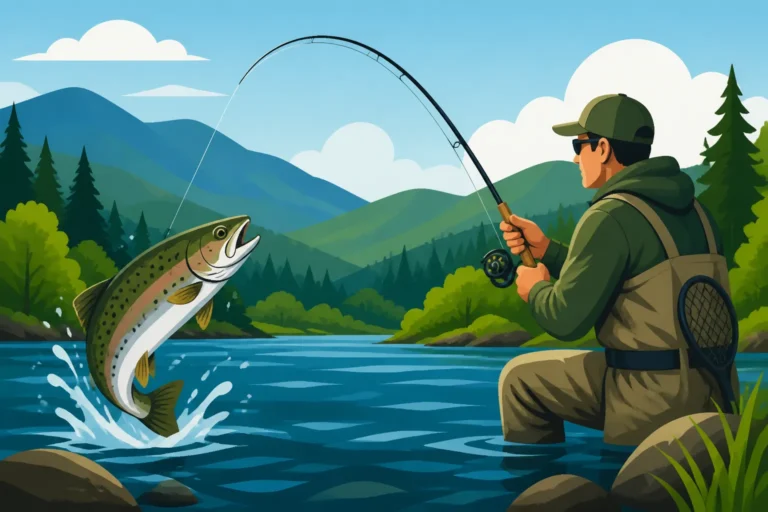
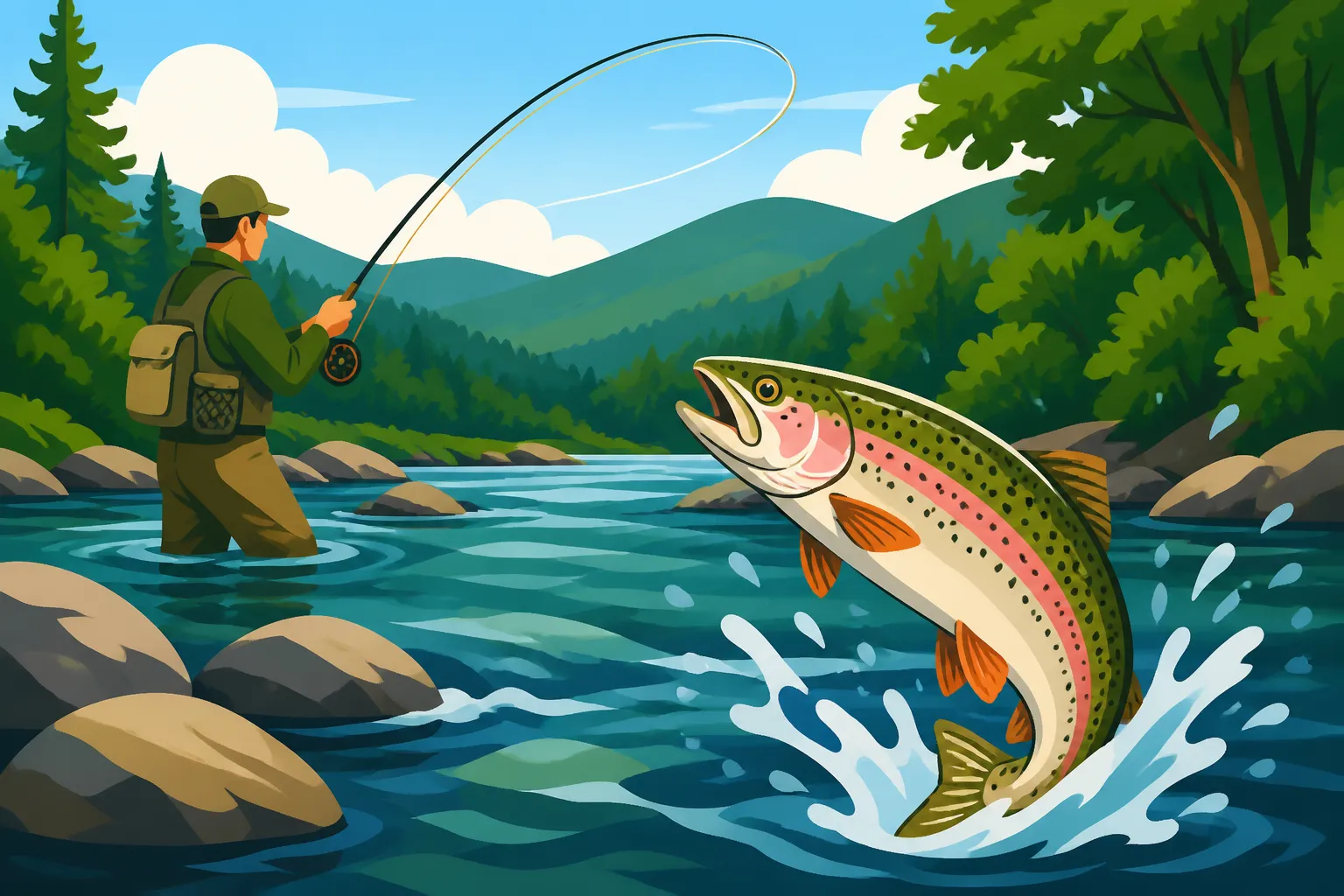
The Deerfield River boasts a robust population of both wild and stocked trout, making it a fantastic destination for all types of anglers. Wild trout, primarily brook trout and brown trout, thrive in the colder, more oxygenated headwaters and tributaries, where natural reproduction is strong. These fish are often more challenging to catch, demanding stealth and precise presentations. However, the majority of the river's sections are regularly stocked by MassWildlife with rainbow trout, brown trout, and sometimes brook trout, especially in the Catch and Release (C&R) and Delayed Harvest (DH) areas. These stocked fish provide consistent action and are often a bit more forgiving for less experienced anglers. The river's varied structure, including deep pools, riffles, runs, and undercut banks, provides ample hiding and feeding opportunities for trout of all sizes. The natural insect life is also prolific, ranging from stoneflies and caddisflies to various mayflies, providing a rich food source that keeps the trout healthy and active.
Top Trout Fishing Zones Along the Deerfield River
The Deerfield River can be effectively broken down into several distinct sections, each offering unique challenges and rewards for trout anglers. Knowing these zones and their specific characteristics is key to a successful outing.
The Fife Brook Catch and Release Section
This iconic section, stretching from the Fife Brook Dam in Florida, MA, downstream to the Route 2 Bridge in Charlemont, is arguably the most famous and heavily fished part of the Deerfield. It's managed as a Catch and Release Fly Fishing Only zone from January 1 to June 30, and then opens to all legal methods of fishing with artificial lures from July 1 to December 31, while still remaining catch and release. This special regulation creates a sanctuary where trout grow large and are accustomed to seeing flies and lures. You'll find a mix of robust rainbow trout, brown trout, and even some native brook trout here. The water is consistently cold due to the dam releases, making it productive even in summer.
Access is relatively easy, with several parking areas along River Road. Popular access points include the parking lot right below Fife Brook Dam, known for its deep, fast-moving water, and various pull-offs further downstream. Wading can be challenging, especially during higher water releases, so caution is paramount. Many anglers choose to use a local guide or check a platform like FishingBooker to find experienced guides who know the current river conditions intimately. The sheer volume of fish and the opportunity to consistently hook into larger specimens make this a must-visit for any serious trout angler. Remember to always check the official Massachusetts Recreational Fishing Rules and Bag Limits before you head out.
The Lower Delayed Harvest Section
Below the Route 2 Bridge in Charlemont, extending approximately 3.5 miles down to the Mohawk Trail (Route 2) bridge in Shelburne Falls, lies another popular section: the Delayed Harvest (DH) area. This section is managed to allow catch and release fishing with artificial lures from January 1 to May 15, and then from September 16 to December 31. During the summer months (May 16 to September 15), it opens to harvest with a reduced bag limit, and bait fishing is permitted. This unique regulation allows trout to thrive and grow during the colder months, providing excellent catch-and-release opportunities, and then offers a chance for anglers to take home a few fish during the peak summer season.
This section is also regularly stocked, often with larger, "broodstock" trout, providing exciting action. It features a mix of riffles, runs, and deeper pools. Access points include various turnouts along Route 2 and a popular spot near the Deerfield River bridge in Shelburne Falls. The town of Shelburne Falls itself is charming and offers amenities for anglers. Anglers often inquire, "Do You Need a Separate License to Fish for Trout in Massachusetts?" and the answer is generally no, your standard freshwater license covers it, but always double-check the specific regulations for DH areas.
Downstream Freestone Sections
Beyond the managed sections, the Deerfield River continues its journey south towards the Connecticut River, offering miles of freestone river fishing. These sections, while still subject to some flow management from upstream dams, behave more like traditional rivers, with natural bends, gravel bars, and varying depths. They are typically stocked annually by MassWildlife, especially around larger towns and bridges, but also hold a good population of wild trout, particularly brown trout, in areas with suitable habitat.
These areas are less crowded than the C&R and DH sections, offering a more serene fishing experience. Good access points can be found in towns like Conway and Deerfield, often near road crossings or public easements. The fishing here can be excellent, especially for anglers willing to explore. You might find a wider variety of insect hatches and need to adapt your techniques accordingly. For instance, knowing when the Massachusetts Trout Stocking Schedule occurs can give you an edge in these areas immediately following a stocking event.
Seasonal Strategies for Deerfield Trout
Fishing the Deerfield River successfully often comes down to understanding the seasonal nuances, adapting your approach to water conditions, insect activity, and trout behavior throughout the year.
Spring: High Water and Explosive Hatches
Spring on the Deerfield River, typically from March through May, is a time of awakening and opportunity. Melted snow and spring rains often mean higher, colder water, which can be challenging but also incredibly productive. Trout are hungry after the winter, and many significant insect hatches begin. Caddisflies, Quill Gordons, and Hendrickson mayflies are common, leading to exciting dry fly action if you hit the hatch right. However, nymphing and streamer fishing are often more consistent, especially when the water is high and slightly off-color.
Focus on slower seams, eddies, and protected pockets where trout can ambush food without expending too much energy fighting the main current. Large stonefly nymphs, Pat's Rubber Legs, and various caddis pupa patterns are excellent subsurface choices. Streamers in olive, black, or white, fished on a sinking line or with weight, can entice large brown trout that are looking for a substantial meal. Don't forget to pack plenty of split shot and indicators for effective nymphing. Knowing how to adapt your retrieve for a How to fly fish for trout in the Berkshires specifically for high water can make all the difference.
Summer: Low Flows and Technical Fishing
As summer settles in, typically June through August, water levels in the Deerfield generally drop, and temperatures can rise, though the dam releases help maintain suitable conditions in the upper sections. This often means more technical fishing. Trout become warier, and precise presentations are paramount. Early mornings and late evenings often provide the best dry fly fishing as trout feed on terrestrials like ants, beetles, and hoppers, as well as smaller mayflies and caddis. Mid-day fishing can be tough, often requiring deep nymphing in shady pools or targeting oxygenated riffles.
Look for areas with good current and cover. Targeting the seams where fast water meets slow water can be very productive. Small, subtle dry flies, delicate nymph patterns like pheasant tails and Hare's Ears, and small streamers are excellent choices. During warmer periods, it's particularly important to minimize stress on caught fish; land them quickly, keep them in the water, and release them gently. This is also a good time to explore different sections of the river, perhaps finding a less-pressured spot through resources like FishingBooker, which lists guides who can take you to hidden gems.
Fall: Trophy Trout and Colorful Scenery
Autumn, from September through November, is a favorite time for many Deerfield River anglers. The foliage is spectacular, the crowds thin out, and the trout, particularly the brown trout, become incredibly aggressive as they prepare for spawning. Water temperatures cool, and flows often stabilize. Large brown trout will actively chase streamers, making this a prime time for big fish. Fall also brings impressive hatches of Blue-Winged Olives (BWOs) and October Caddis.
Streamer fishing is king during the fall. Large articulated patterns, classic Woolly Buggers, and baitfish imitations can elicit violent strikes. Fish them aggressively through deep pools, undercut banks, and current seams. Nymphing with attractor patterns or smaller BWO nymphs can also be very effective, especially on cloudy days. Dry fly anglers will want to have BWO and October Caddis patterns ready. This is when the Trout Fishing in Massachusetts truly shines, offering some of the best opportunities for a trophy catch of the year.
Winter: Challenging but Rewarding
Winter on the Deerfield, typically December through February, presents a unique challenge, but for dedicated anglers, it can be incredibly rewarding. Flows are generally low and stable, and water temperatures are at their coldest. Ice can be a factor, especially in slower sections, but the main river often remains open due to dam releases. Trout are lethargic but still feed, primarily on small nymphs.
Deep nymphing with tiny patterns like midges, tiny Caddis pupa, and small stonefly nymphs is the primary method. Fish slow and deep, targeting the slowest, deepest pools and runs. Presentation needs to be impeccable, with very long, delicate leaders and minimal weight. Look for congregating fish in winter holding lies. Patience is key, and dressing in layers for warmth is absolutely essential. While not for everyone, catching a beautiful trout on a cold winter day on the Deerfield is an experience you won't soon forget. It requires specialized gear and a deep understanding of Best Bait for Trout Fishing in Massachusetts if you're not a fly fisher, but fly fishing with tiny nymphs is generally more productive.
Essential Gear for Deerfield River Anglers
Having the right gear is crucial for a comfortable and successful outing on the Deerfield River, whether you're fly fishing or spin fishing. The river's varied conditions demand versatility and durability from your equipment.
Rods, Reels, and Lines
For fly fishing, a 9-foot, 5-weight fly rod is a versatile choice for most of the Deerfield's trout. It offers enough backbone to handle larger fish and cast larger flies, yet is sensitive enough for delicate presentations. If you plan on doing a lot of streamer fishing or tackling very large trout, a 6-weight can be beneficial. Pair your rod with a reliable reel that has a smooth drag system and a weight-forward floating line. For serious nymphing or streamer fishing, having a spare spool with an integrated sinking line or a specialized nymphing line can make a significant difference.
Spin fishers will do well with a 6-foot to 7-foot ultralight or light action spinning rod, paired with a small, smooth spinning reel spooled with 4-6 lb test fluorocarbon or monofilament line. Fluorocarbon is excellent for its invisibility and sensitivity, while monofilament offers more stretch and can be more forgiving. Consider having a few different rod and reel setups if you plan to target various depths or use different lure weights. For a detailed guide on what types of line to use, check out specific articles on Best Lures for Stocked Trout in Massachusetts.
Waders, Boots, and Safety Gear
Waders are indispensable for fishing the Deerfield. Chest waders made from breathable material like Gore-Tex or similar synthetics are ideal, offering comfort and freedom of movement. Pair them with sturdy wading boots that provide excellent ankle support and grip. Felt soles were once popular but are increasingly restricted due to their potential to spread invasive species; rubber soles with aggressive treads or studs are now often preferred and sometimes required. Always wear a wading belt to prevent your waders from filling with water in case of a fall.
Safety should always be a top priority. A wading staff is highly recommended, especially in sections with strong currents or slippery bottoms, as it provides stability and helps you gauge depth. A personal flotation device (PFD) is also a wise choice, particularly if you're venturing into deeper, faster water or fishing from a drift boat or kayak. Carry a small first-aid kit, a whistle, and always let someone know your fishing plans and expected return time. The changing water levels can be hazardous, so keep an eye on river conditions.
Essential Terminal Tackle and Lures
Your tackle box or fly box should be well-stocked for the Deerfield's diverse conditions.
For Fly Fishing:
- Dry Flies: Assorted Caddis (Elk Hair Caddis), Mayflies (Adams, Blue-Winged Olives, Hendrickson), Stoneflies (Stimulator), Terrestrials (Hopper patterns, Ants, Beetles).
- Nymphs: Pheasant Tail, Hare's Ear, Prince Nymph, Squirmy Wormy, Pat's Rubber Legs, Copper John, Caddis Larva/Pupa imitations (e.g., Green Weenie), Midge patterns.
- Streamers: Woolly Buggers (olive, black, white), Sculpin patterns, Baitfish imitations (e.g., Clouser Minnow, Zonker).
- Leaders and Tippet: 9-12 foot tapered leaders, 3x to 6x fluorocarbon tippet.
- Accessories: Strike indicators, split shot, forceps, nippers, desiccant for dry flies.
For Spin Fishing:
- Spinners: Panther Martin, Mepps, Rooster Tail in various sizes and colors (silver, gold, black, brown).
- Spoons: Little Cleo, Dardevle, Phoebe.
- Small Stickbaits/Jerkbaits: Rapala Original Floaters or Countdown models.
- Jigs: Small marabou jigs or plastic grub jigs, especially with a bit of bait like a worm or PowerBait.
- PowerBait/Worms: For stocked trout in open regulations areas.
- Weights: Split shot and small worm weights.
- Hooks: Assorted small bait hooks (sizes 8-12) for natural bait.
- Accessories: Pliers, clippers, stringer or cooler if planning to keep fish (check regulations carefully!).
Remember, a valid Massachusetts Fishing License Guide is always required, and specific regulations for the C&R and DH sections of the Deerfield must be followed meticulously.
Regulations and Access on the Deerfield River
Fishing on the Deerfield River means navigating a specific set of regulations designed to protect and enhance its trout fishery. Ignoring these rules can lead to significant penalties, so it's critical to be informed.
Understanding Special Regulations
As mentioned, the Deerfield River is renowned for its special management areas, primarily the Catch and Release (C&R) and Delayed Harvest (DH) sections. These areas have specific rules regarding fishing methods, harvest limits, and even the type of lure or bait allowed.
- Fife Brook C&R Section (Fife Brook Dam to Route 2 Bridge, Charlemont): This is a year-round Catch and Release zone. From January 1 to June 30, it is Fly Fishing Only. From July 1 to December 31, it opens to artificial lures only (no bait). This means no worms, corn, or PowerBait at any time in this section. All fish caught must be immediately released. This is a trophy section designed for sustained angling pressure without impacting the fish population.
- Lower Delayed Harvest Section (Route 2 Bridge, Charlemont to Mohawk Trail Bridge, Shelburne Falls): This section has two distinct periods. From January 1 to May 15, and again from September 16 to December 31, it's Catch and Release with Artificial Lures Only. During this time, it functions similarly to the C&R section, promoting growth and survival of trout. From May 16 to September 15, it becomes a harvest zone with a special daily bag limit (often 2 fish, 12-inch minimum size, but always verify current regulations) and bait fishing is allowed. This provides a unique opportunity for anglers who enjoy taking some fish home during the warmer months.
For all other freestone sections of the Deerfield River, general statewide Massachusetts Freshwater Daily Catch Limits apply, along with corresponding tackle regulations. It's crucial to consult the official Massachusetts Freshwater Fishing Guide from MassWildlife each year, as regulations can change. You can usually find a printed copy at bait and tackle shops or view it online.
Public Access Points and Parking
Access to the Deerfield River is generally quite good, with numerous public access points along its length. Many roads run parallel to the river, offering convenient pull-offs and designated parking areas.
- Fife Brook Section: River Road, which parallels the river, has several marked parking areas. The largest is usually right below the Fife Brook Dam. You'll often see other anglers' cars, indicating popular spots.
- Delayed Harvest Section: Access is available from various points along Route 2, particularly near bridges and small roadside parks. The town of Shelburne Falls also offers access near its famous Bridge of Flowers.
- Downstream Sections: Public access continues along state roads like Route 5 and Route 10 in towns like Deerfield and Montague. Look for state wildlife management areas (WMAs) or municipal parks that abut the river. Local bait shops are also fantastic resources for current access information and local tips.
Always be mindful of private property. Respect landowners and only access the river where public easements or designated access points exist. Parking illegally or trespassing can result in fines and negative relations between anglers and locals. When planning your trip, consider using services like FishingBooker, which often include details on access points and can connect you with guides who know the river's access intimately. They can help you avoid any access issues and make the most of your time on the water.
Massachusetts Fishing License Requirements
No matter which section of the Deerfield River you choose to fish, a valid Massachusetts freshwater fishing license is mandatory for anyone aged 15 and older. This applies to both residents and non-residents. The cost and duration can vary, so it's always best to check the current requirements. For instance, if you're an out-of-state angler, you'll want to review the Massachusetts Fishing License for Nonresidents details.
Licenses can be purchased online through the MassFishHunt portal, or in person at authorized vendors such as sporting goods stores, bait shops, and some town clerks. Always carry proof of your license while fishing, either a physical copy or a digital image on your phone. Beyond the base license, the Wildlands Conservation Stamp is often required for certain fishing or hunting activities; understanding The Massachusetts Wildlands Conservation Stamp Explained will ensure you're fully compliant. The fees collected from license sales are vital for funding MassWildlife's conservation efforts, including trout stocking programs and habitat restoration on the Deerfield and other rivers across the Commonwealth.
Beyond the River: Nearby Fishing Opportunities
While the Deerfield River is undoubtedly a star for trout fishing in Massachusetts, the surrounding region, particularly the western part of the state, offers a wealth of other fantastic fishing opportunities that are worth exploring. Diversifying your fishing destinations can lead to new experiences and successful catches when river conditions might not be ideal.
Other Trout Streams in Western Massachusetts
The Berkshires and central Massachusetts are veined with numerous other cold-water streams and rivers that hold healthy trout populations. Many of these are smaller, more intimate waterways compared to the Deerfield, offering a different kind of challenge and beauty.
- Concord River: While further east, the Concord River offers excellent trout fishing in its stocked sections.
- Westfield River: Located south of the Deerfield, the East and Middle Branches of the Westfield River are also phenomenal trout fisheries, known for their wild brook and brown trout, as well as robust stocking programs. Like the Deerfield, sections of the Westfield often have special regulations, including Catch and Release areas. These rivers can be particularly good for Fly Fishing in Massachusetts, with prolific hatches and beautiful surroundings.
- Swift River: While quite a drive from the Deerfield, the Swift River near Quabbin Reservoir is a renowned tailwater fishery known for its incredibly clear water and large, educated trout, especially large holdover rainbows. It's a challenging but highly rewarding destination.
- Small Tributaries: Don't overlook the myriad smaller streams and brooks that feed into the Deerfield and other larger rivers. These often hold healthy populations of native brook trout and can offer incredible solitude for anglers willing to bushwhack a bit.
Always check local regulations for these rivers, as they too can have specific rules, stocking schedules, and access points. Local bait and tackle shops in towns like Shelburne Falls, Greenfield, and Westfield are excellent resources for up-to-date information on these smaller gems.
Lakes and Ponds for Freshwater Species
If you're looking for a change of pace from river wading, western Massachusetts is also home to countless lakes and ponds that provide excellent fishing for a variety of freshwater species beyond trout.
- Ponds in the Berkshires: Many ponds throughout the Berkshire region are regularly stocked with trout, especially in spring and fall, offering great shore fishing or small boat opportunities. These can be perfect for family outings or for targeting trout with conventional tackle.
- Largemouth and Smallmouth Bass: Lakes like Otis Reservoir, Onota Lake, and Pontoosuc Lake are well-known for their largemouth and smallmouth bass populations. These offer a completely different fishing experience, often involving topwater lures, soft plastics, or crankbaits in warmer waters. For those interested in pursuing these species, a full guide on Largemouth Bass Fishing in Massachusetts can provide valuable insights.
- Panfish and Pickerel: Almost every pond in the region will hold a healthy population of panfish (perch, bluegill, crappie) and chain pickerel, making for fun and often fast-paced action, especially for beginners or kids. These species are often eager biters and can be caught with simple tackle and bait.
These larger water bodies often have public boat ramps and more amenities, making them accessible for different types of fishing, including kayak and canoe fishing. Just remember that a freshwater fishing license applies to all inland waters in Massachusetts.
Maximizing Your Deerfield River Fishing Experience
Fishing the Deerfield River is more than just casting a line; it's an immersive experience in a truly special natural environment. To make the most of your time on the water, consider these tips and resources.
Hiring a Local Guide
Especially if you're new to the Deerfield River or want to quickly hone your skills, hiring a local fishing guide can be an invaluable investment. Guides have an intimate knowledge of the river's ever-changing conditions, flow schedules, hot spots, and effective patterns. They can provide expert instruction, gear recommendations, and often access to prime locations that might be hard to find on your own. Many experienced guides specialize in the Deerfield's challenging C&R and DH sections, particularly for fly fishing.
Platforms like FishingBooker are excellent resources for finding reputable Deerfield River fishing guides. You can read reviews, compare expertise, and book trips directly, ensuring you get a guide who matches your preferences and skill level. A guide can significantly shorten the learning curve, putting you on fish faster and teaching you techniques specific to the Deerfield's unique demands. They can also help you understand how best to approach different sections of the river, especially given the fluctuating water levels.
Staying Updated on River Conditions
The dynamic nature of the Deerfield River, particularly the dam-controlled flows, means that conditions can change rapidly. Staying updated on current water levels, temperatures, and generation schedules is crucial for both safety and success.
- USGS Stream Gauges: The U.S. Geological Survey (USGS) operates stream gauges that provide real-time data on river height and flow (CFS – cubic feet per second). There are multiple gauges on the Deerfield, including below Fife Brook Dam and near Charlemont. Learning to interpret these readings will tell you if the river is high, low, or rising/falling.
- Power Company Websites: Companies like Brookfield Renewable often publish dam release schedules, giving you advance notice of planned water fluctuations. Checking these before you head out can save you a wasted trip or a dangerous wading situation.
- Local Bait Shops and Online Forums: Local tackle shops are treasure troves of current information. Shop owners and staff are often anglers themselves and can provide firsthand reports. Online fishing forums dedicated to Massachusetts fishing are also excellent places to get recent reports and ask questions from experienced Deerfield anglers.
Being prepared with up-to-date information is a hallmark of a successful Deerfield River angler. A quick check of these resources before you leave home can drastically improve your odds.
Practicing Catch and Release Techniques
For most of the Deerfield River, especially in the C&R and DH sections during their restrictive periods, catch and release is either mandatory or highly encouraged. Practicing proper catch and release techniques is vital for the health and sustainability of this precious fishery.
- Minimize Fight Time: Land fish as quickly as possible to reduce exhaustion.
- Keep Fish Wet: Avoid removing fish from the water if you intend to release them. Water supports their body weight and protects their delicate slime coat and gills.
- Use Barbless Hooks: Crimp down the barbs on your hooks or use barbless hooks. This makes hook removal much easier and less damaging.
- Use Proper Tools: Have forceps or needle-nose pliers handy for quick hook removal.
- Gentle Handling: Support the fish horizontally, especially larger ones, and avoid squeezing them.
- Revive If Necessary: If a fish seems sluggish, hold it gently in the current, facing upstream, until it swims away on its own.
By being mindful and employing these techniques, you contribute directly to the vibrant future of Deerfield River trout fishing, ensuring that these incredible fish continue to thrive for generations of anglers to enjoy. Remember, securing the proper Massachusetts Fishing License Costs and Rules also plays a vital role in funding these conservation efforts.
| Deerfield River Section | Primary Regulation | Allowed Methods (Jan 1-Jun 30) | Allowed Methods (Jul 1-Dec 31) | Primary Fish Species | Access Notes |
|---|---|---|---|---|---|
| Fife Brook C&R | Catch & Release, Year-Round | Fly Fishing Only | Artificial Lures Only | Rainbow, Brown, Brook Trout (Wild & Stocked) | Easy access from River Road; often crowded, challenging wading in high flow |
| Lower Delayed Harvest | C&R (Jan-May, Sep-Dec); Harvest (May-Sep) | Artificial Lures Only | Artificial Lures Only (C&R) | Rainbow, Brown, Brook Trout (Stocked & Holdover) | Good access along Route 2, near Shelburne Falls; less crowded than C&R |
| Downstream Freestone Sections | General Statewide Freshwater Rules (Daily Bag Limits) | All Legal Methods | All Legal Methods | Rainbow, Brown (Stocked); Wild Brown & Brook Trout | Various public easements and bridges in towns like Deerfield & Montague |
Disclaimer
Please be aware that fishing regulations, access points, and river conditions can change. Always consult the latest official Massachusetts Department of Fish and Wildlife (MassWildlife) regulations before planning your trip. The information provided here is for general guidance and informational purposes only. Stay safe, respect private property, and practice ethical angling.