Charles River Fishing in Boston
Fishing in the heart of Boston’s urban landscape might seem like a distant dream, full of questions about water quality and accessibility. However, the Charles River has undergone an incredible transformation, making it a surprisingly vibrant and accessible freshwater fishery right in our bustling city. This guide will walk you through everything you need to know to cast a line in the Charles, from understanding its unique environment to targeting its diverse fish species and fishing responsibly.
Understanding the Charles River's Unique Fishing Environment
The Charles River isn't just a scenic backdrop for the city; it's a dynamic ecosystem that has seen a remarkable environmental resurgence. Understanding its history and geography is key to appreciating its current fishing opportunities.
A History of Improvement and Accessibility
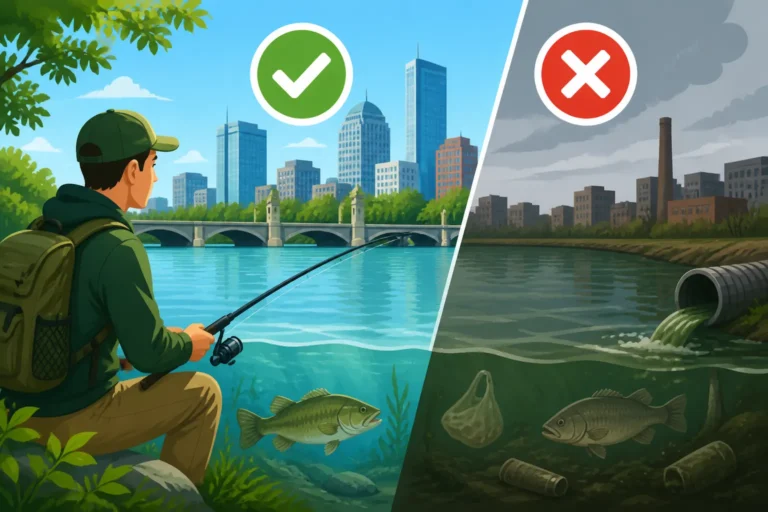
For decades, the Charles River bore the unfortunate reputation of being severely polluted, a legacy of industrial waste and urban runoff. Many long-time Bostonians might still associate it with its "dirty water" past. However, extensive and sustained cleanup efforts, spearheaded by organizations like the Charles River Watershed Association in collaboration with state and federal agencies such as the EPA, have dramatically improved its water quality. This commitment has led to a river that is not only safe for recreational contact, including kayaking and even swimming on designated days, but also capable of supporting a thriving aquatic ecosystem.
This incredible transformation means that the Charles River, once an environmental blight, is now a viable and unique urban fishery. It's a testament to what dedicated conservation efforts can achieve, turning a polluted waterway into a vital natural resource in the heart of a major metropolitan area. The ongoing goal for many, including the Massachusetts Department of Conservation and Recreation (DCR), is to make the river consistently swimmable by 2025, which further highlights the remarkable health of the river.
One of the biggest advantages of fishing the Charles River is its unparalleled accessibility. Miles of public parks, paved pathways, and grassy banks line both the Boston and Cambridge sides of the river, offering countless spots to cast a line. Whether you're commuting by car, bike, or using Boston's MBTA public transportation system, reaching prime fishing locations along the Charles is remarkably easy. You're not heading into a remote wilderness; you're enjoying a unique angling experience right in the city's backyard.
Freshwater vs. Brackish Zones
The Charles River is primarily a freshwater system within Boston and Cambridge, but it's important to understand where that changes. The critical point of distinction is the Charles River Dam, located just downstream from the Zakim Bridge and near the Museum of Science. Upstream from this dam, the river is almost entirely freshwater, fed by numerous tributaries, rainfall, and groundwater. This is where most of the classic freshwater fish species, like bass and panfish, thrive.
Downstream from the dam, the river transitions into a tidal estuary that flows directly into Boston Harbor and eventually Massachusetts Bay. This section is definitively brackish, meaning it's a mix of fresh and saltwater, with salinity levels fluctuating significantly with the tides. In this lower, brackish stretch, anglers might encounter a blend of freshwater and saltwater species, depending on the conditions and the time of year.
Anglers should be keenly aware of this distinction for two primary reasons: the types of fish you're likely to encounter and the type of fishing license you'll need. The vast majority of popular fishing stretches within the main urban areas of Boston and Cambridge, like the Esplanade and Memorial Drive, are upstream of the dam and thus require a Massachusetts freshwater fishing license. However, if you venture directly downstream of the dam into the immediate harbor area, where saltwater species become prevalent, you would need a Massachusetts saltwater recreational fishing permit. Knowing your location relative to the dam is crucial for a legal and successful outing.
Essential Gear and Licensing for Charles River Anglers
Before you head out to the banks of the Charles, a little preparation goes a long way. Having the right tackle and ensuring your license is in order will set you up for success and compliance.
The Right Tackle for Urban Waters
You don't need highly specialized or expensive gear to enjoy fishing the Charles River. A versatile setup is often the best choice for the variety of species you might encounter. A medium-light to medium action spinning rod, typically between 6 and 7 feet in length, paired with a 2500-3000 series spinning reel, is a fantastic all-around option. Spool it with 8-12 lb monofilament or braided line, which offers a good balance of strength for bigger bass and sensitivity for lighter-biting panfish. This setup provides the casting distance and power needed to handle most fish in the river, from feisty largemouth bass to active yellow perch.
For lures, a diverse selection will serve you well. Soft plastic worms, grubs, and creature baits, rigged weedless (Texas or Carolina style), are incredibly effective for bass hiding in submerged vegetation, around docks, or near bridge pilings. Small crankbaits and spinnerbaits can also draw aggressive strikes, especially when fished along drop-offs or near cover. Don't forget topwater poppers or walk-the-dog baits for exciting surface blow-ups during dawn or dusk. And for reliable action, always carry basic live bait options like nightcrawlers or shiners, which are irresistible to a wide array of species.
When targeting the abundant panfish like perch or crappie, scaling down your tackle can significantly enhance the fun. An ultralight rod and reel setup with 4-6 lb test line is perfect for these smaller fighters. Small jigs, micro-spoons, or tiny pieces of worm suspended under a bobber are often all it takes to get consistent bites. Always keep a small tackle box stocked with a variety of hooks (sizes 6-1/0), split shot sinkers, and bobbers, allowing you to quickly adapt to changing conditions and target different fish in varying depths.
Navigating Massachusetts Fishing Licenses
Let's address one of the most common questions upfront: yes, you absolutely need a valid Massachusetts freshwater fishing license to fish in the Charles River upstream of the Charles River Dam. This isn't an unregulated backyard pond; it's a public waterway managed by the state, and proper licensing supports vital conservation programs. Getting caught without one can result in fines, so it’s always best to be prepared before you cast your line. For comprehensive guidance on obtaining your permit, be sure to consult our detailed Massachusetts Fishing License Guide.
Obtaining your license is a straightforward process designed for convenience. The easiest way is to purchase one online through the MassFishHunt system, the official licensing platform for the Massachusetts Division of Fisheries and Wildlife (MassWildlife). This digital method allows you to print your license at home or carry a digital copy on your phone. Alternatively, you can visit an authorized vendor, such as a local sporting goods store or town clerk's office, to purchase a license in person. The exact cost will vary based on your residency status and age, but it's a small, worthwhile investment for a year of angling enjoyment and contributes directly to the management and stocking of Massachusetts' fisheries. Our guide on Massachusetts Fishing License Requirements by Age provides clear information on who needs what and any potential exemptions.
It's also important to remember the distinction between freshwater and saltwater permits if your fishing plans extend to other areas. While the Charles River in Boston is predominantly freshwater, if you were to venture downstream of the Charles River Dam into the brackish sections of Boston Harbor, or out to the coast, you would then need a Massachusetts saltwater recreational fishing permit. For Massachusetts residents, this saltwater permit is free, but non-residents are typically required to pay a modest fee. Being aware of these different requirements ensures you're always fishing legally, no matter which beautiful Massachusetts waterway you choose to explore.
Top Fish Species to Target in the Charles River
The Charles River is home to a surprisingly diverse array of fish, offering something for every type of angler. From aggressive game fish to abundant panfish, there's always a chance for a memorable catch.
The Abundant Bass Population
Without a doubt, the most sought-after game fish in the Charles River are largemouth and smallmouth bass. These powerful fighters thrive in the river's varied habitats and provide exciting action for lure anglers. Largemouth bass tend to prefer the calmer, weedier sections of the river, especially upstream towards Watertown and Newton. You’ll find them ambushing prey from around submerged logs, lily pads, and under docks and bridge abutments. They are particularly active during the warmer months, often moving into shallower water to feed during the early morning and late evening hours.
Smallmouth bass, conversely, are typically found in areas with more current, rocky bottoms, and deeper pools, which can be encountered in certain stretches of the Charles. Both species are predatory and readily strike a variety of artificial baits, making them a thrilling target for those who enjoy casting lures. Anglers often report catching respectable sized bass, with many fish in the 1-3 pound range, and the occasional trophy-sized bass that can truly test your tackle. For more detailed strategies on how to target these exciting fish, be sure to check out our dedicated guides on Largemouth Bass Fishing in Massachusetts and Smallmouth Bass Fishing in Massachusetts.
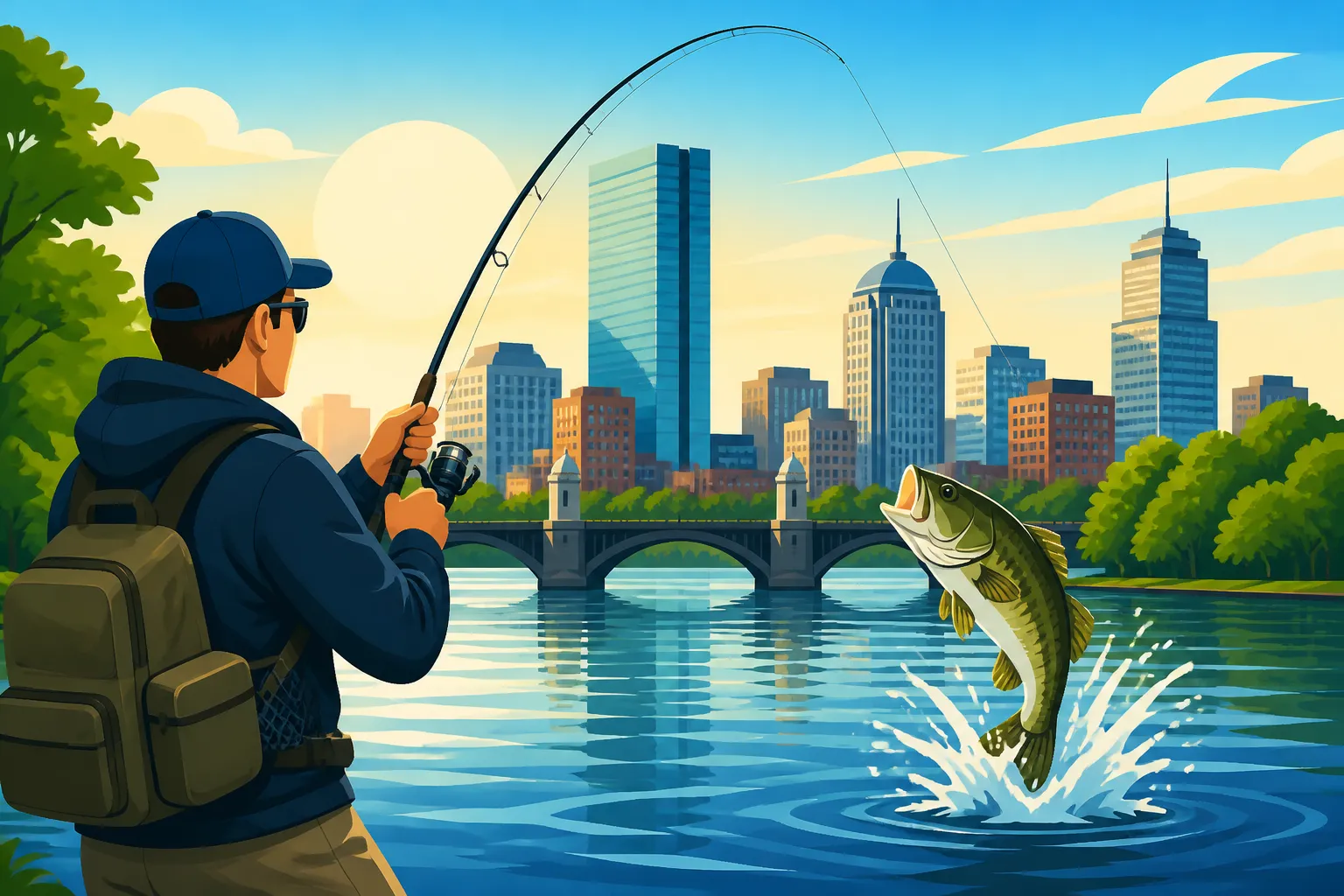
The thrill of a hard strike and a strong fight against the unique backdrop of the Boston skyline is an unforgettable experience. While it's exhilarating to catch a big bass, it's crucial to remember that bass fishing in the Charles River is largely a catch-and-release endeavor due to existing fish consumption advisories. This practice helps maintain healthy fish populations and ensures the longevity of this urban fishery, allowing future anglers to enjoy the same exciting opportunities.
Panfish, Perch, and Pickerel
Beyond the charismatic bass, the Charles River is teeming with a delightful variety of panfish, making it an excellent destination for family outings or beginner anglers looking for consistent action. Yellow perch are incredibly common throughout the river and are often found in schools, so if you catch one, there are likely many more nearby. They are eager biters and readily take small worms, minnows, or tiny jigs, providing continuous entertainment, especially for younger anglers.
You'll also find a healthy population of various sunfish species, including brightly colored bluegill and pumpkinseed. These feisty little fish are a blast on ultralight tackle and are easily tempted with a small piece of worm under a bobber. Crappie, both black and white varieties, are also present, often congregating around submerged structure like bridge pilings, fallen trees, or shaded areas. These panfish collectively offer accessible and fun fishing experiences for all skill levels. To get more tips on these popular species, read our articles on Yellow Perch Fishing in Massachusetts and Crappie Fishing in Massachusetts Ponds.
Adding to the diversity are chain pickerel, easily identified by their distinctive chain-like markings and impressively sharp teeth. These aggressive, ambush predators are often found lurking in weed beds and can provide a surprisingly strong fight. While not typically considered panfish, they offer an exciting, toothy challenge for anglers using spinnerbaits or shiners. Just be sure to handle them with care to avoid their sharp teeth! They are a fun addition to the river's roster of sport fish.
Unexpected Catches and Anadromous Fish
The Charles River can surprise anglers with a few less common, but equally exciting, catches. Common carp, known for their incredible fighting power and often considerable size, inhabit the river's deeper, slower-moving sections. These bottom feeders can be targeted effectively with simple baits like corn, dough balls, or specialized carp baits. Additionally, bullhead catfish are frequently caught, particularly in murkier areas and during low light conditions, and respond well to cut bait or worms fished on the bottom. For those curious about these whiskered residents, our guide to Catfish Species Found in Massachusetts offers more insight.
A truly significant natural spectacle in the Charles River is the annual spring run of anadromous fish, primarily alewives and blueback herring, often collectively referred to as river herring. These remarkable fish migrate from the ocean, through the Charles River Dam fish ladder, and upstream into the freshwater to spawn. These runs are a crucial ecological event, providing a vital food source for numerous predators, but it is critical for anglers to know that strict regulations prohibit their harvest. Any river herring caught must be immediately released back into the water without harm. This event is a powerful indicator of the river's ecological recovery and a fascinating sight to behold. You can learn more about this phenomenon in our article River Herring Runs in Massachusetts.
Occasionally, anglers might also encounter other species that defy easy categorization, such as white perch, especially in the brackish lower sections of the river. These fish can sometimes be mistaken for small striped bass due to their similar body shape. It's always a good practice to familiarize yourself with local regulations and accurate species identification, particularly when fishing near the Charles River Dam where the mix of fresh and saltwater can bring together an unusual array of aquatic life.
Best Fishing Spots and Access Points Along the Charles
One of the great joys of fishing the Charles River is how accessible it is to everyone. Whether you prefer to cast from shore or explore by kayak, there are numerous opportunities to connect with nature right in the city.
Popular Shoreline Access Points in Boston and Cambridge
The Charles River Esplanade in Boston offers miles of beautifully maintained parkland and paved pathways, making it an ideal location for shore fishing. Look for sections with deeper cuts, the shaded areas under the many bridges, and areas where submerged vegetation provides cover for fish. While parking can be challenging in central Boston, the Esplanade is incredibly easy to reach via the MBTA's Red Line (Charles/MGH station) or Green Line (Arlington or Copley stations), making it a truly urban angling destination.
Across the river, on the Cambridge side, Memorial Drive provides similar fantastic access with numerous parks and pull-offs along its length. Magazine Beach Park in Cambridge is another excellent spot, offering wide-open casting areas and often attracting a good variety of panfish and bass. These public areas are generally safe and well-trafficked during daylight hours, providing a comfortable environment for fishing. However, as with any urban setting, it's always wise to remain aware of your surroundings, especially during less busy times.
If you venture further upstream, away from the immediate city center, locations like Herter Park in Allston/Brighton offer even more expansive green spaces and slightly less crowded fishing conditions. Here, the river tends to be narrower with more pronounced bends and varied shoreline structure, providing a different fishing dynamic. These areas also sometimes offer more convenient public parking options, making them a good choice if you're driving. Each stretch of the Charles offers its own unique charm and fishing potential, inviting you to explore and discover your favorite spot.
Kayak and Canoe Fishing Opportunities
For anglers who want to explore beyond the easily accessible shorelines, kayaking or canoeing the Charles River truly opens up a world of new fishing opportunities. From a small watercraft, you can reach secluded coves, quiet backwaters, and mid-river structures that are simply out of reach for shore anglers. These less pressured areas often hold larger, shier bass and provide a more intimate connection with the river's ecosystem. Paddling quietly along the banks allows you to approach fish without spooking them, often leading to more successful outings.
Even if you don't own a boat, getting on the water is made easy by several convenient livery services. Charles River Canoe & Kayak operates at multiple locations, including Kendall Square in Cambridge and further upstream in Newton and Waltham, offering kayak and canoe rentals. Community Boating Inc. on the Boston Esplanade is another excellent option, providing access to sailing and paddling crafts. These services make it incredibly simple to get out for a few hours of fishing without the hassle of boat ownership. When on the water, always prioritize safety by wearing a properly fitted life jacket and being mindful of other river users, particularly the numerous rowers and crew teams.
For those with their own kayaks or canoes, there are several public boat ramps and soft launch spots scattered along the parkways. Before launching, ensure your vessel is properly registered if required by Massachusetts law, and always practice safe boating principles, especially in a busy urban waterway. Exploring the Charles by paddle craft offers a truly immersive and peaceful experience, allowing you to appreciate the city's green spaces and skyline from a unique aquatic perspective, all while targeting your next big catch.
Safety and Conservation: Fishing Responsibly on the Charles
While fishing the Charles River offers an amazing urban escape, it's vital to approach it with a strong sense of responsibility, focusing on both personal health and environmental stewardship.
Fish Consumption Advisories and Water Quality
This is arguably the most crucial topic for any angler considering fishing the Charles River, and it's important to be realistic: while the river's water quality has improved dramatically, fish consumption advisories are still in place. The Massachusetts Department of Public Health (DPH) issues these advisories based on ongoing testing for legacy contaminants such as mercury and PCBs, which can accumulate in fish tissue over time. Due to these advisories, many seasoned Charles River anglers choose to practice catch and release for all species they catch, simply as a precautionary measure. This decision aligns with the spirit of enjoying the experience without taking on potential health risks.
Specifically, the DPH generally advises sensitive populations—pregnant women, nursing mothers, and young children—to completely avoid eating any fish caught from the Charles River. For the general adult population, limits are typically imposed on certain species, often recommending no more than one meal per month of fish like bass, carp, or chain pickerel, due to elevated levels of contaminants. It is always best practice to consult the most current DPH advisories, which are readily available on their official website, as these guidelines can be updated. This information directly addresses a common concern for anglers wondering, "Is the Charles River Safe to Fish?" and underscores the importance of informed decision-making.
These advisories are not meant to discourage you from enjoying the river; rather, they are in place to ensure public health. For many, the profound pleasure of fishing comes from the thrill of the catch, the challenge of technique, and the serene connection with nature, rather than solely from bringing home a meal for the table. Understanding and respecting these guidelines ensures you can continue to enjoy the fantastic fishing opportunities on the Charles River in a responsible and health-conscious manner.
Practicing Catch and Release & Environmental Stewardship
Given the existing fish consumption advisories and the river's unique urban environment, practicing catch and release is not just encouraged, it's highly recommended for most, if not all, fish caught in the Charles River. This responsible angling practice serves multiple purposes: it helps maintain healthy and robust fish populations, supports the river's ongoing ecological recovery, and minimizes any potential health risks associated with consuming urban-caught fish. When releasing fish, handle them gently, minimize their time out of the water, and consider using barbless hooks to reduce stress and injury. A quick, clean release ensures the fish has the best chance of survival.
Beyond careful fish handling, environmental stewardship is paramount for preserving the Charles River's beauty and ecological integrity. The Charles is a shared resource, enjoyed by countless residents and visitors for recreation, wildlife observation, and its scenic vistas. Always adhere to the "Leave No Trace" principles: pack out everything you pack in, and if possible, go a step further by picking up any litter you encounter. Discarded fishing line, bait containers, and other waste not only detract from the river's beauty but can also pose serious threats to wildlife.
Educating yourself on and strictly following local fishing regulations, such as Massachusetts Freshwater Daily Catch Limits, is another critical component of responsible angling. Understanding the protected status of species like river herring, which must be released immediately and unharmed if caught, contributes directly to the health and sustainability of this remarkable urban fishery. By being a thoughtful and environmentally conscious angler, you become a vital ambassador for fishing and help ensure the Charles River remains a vibrant natural gem for generations to come.
Planning Your Charles River Fishing Adventure
Getting out on the Charles River for a fishing trip is an experience unlike any other. A little planning can help you maximize your enjoyment and success on these urban waters.
Timing Your Trip: Seasons and Tides
The Charles River offers angling opportunities throughout the year, but understanding seasonal patterns can significantly boost your success for specific species. Spring is often considered one of the best times to fish. Not only does it usher in the highly anticipated anadromous fish runs (remember, river herring are strictly catch and release!), but it also sees bass and panfish becoming incredibly active as water temperatures rise. After the colder winter months, these fish move into shallower areas, actively feeding and preparing to spawn, making them more accessible and aggressive.
Summer mornings and evenings are prime times for targeting bass and panfish, as these periods offer cooler temperatures and reduced boat traffic. Midday summer fishing can be slower due to intense heat and increased recreational activity on the river. As autumn arrives, fish enter a crucial feeding period, bulking up for the winter ahead. This means they are often more aggressive and willing to strike a wider variety of baits and lures, offering some of the most consistent action of the year. Even winter can provide opportunities for ice fishing in the calmer, shallower coves if the ice forms safely and meets thickness requirements, though this is less common in the heavily trafficked urban main channels.
While the Charles River upstream of the dam is technically freshwater, its proximity to Boston Harbor means that dam operations can still create noticeable influences on water levels and currents, particularly in the lower freshwater basin. These micro-tides and flow variations can impact fish behavior and also affect accessibility from shore or by small boat. It's a good idea to pay attention to daily river levels and flow reports, as these conditions can influence where fish hold and how they feed, helping you choose the best time to cast your line.
Exploring Guided Options and Local Resources
For anglers new to the intricacies of urban river fishing or simply seeking to gain local knowledge quickly, exploring guided options can be incredibly beneficial. While dedicated Charles River guides focusing purely on the freshwater sections might be less common than the numerous saltwater charters operating out of Boston Harbor, some specialized freshwater guides who typically work other Massachusetts ponds or rivers might offer bespoke trips or valuable advice for the Charles. These experienced professionals know the best spots, seasonal patterns, and safety considerations, giving you a significant advantage.
If you're considering broadening your Massachusetts fishing horizons beyond the Charles River, platforms like FishingBooker can be an invaluable resource. This service connects you with a wide array of experienced charter captains and fishing guides across the state, from Boston Fishing Charters Guide, Massachusetts offering deep-sea adventures to guides specializing in specific freshwater bodies. While you might not find a Charles River-specific guide listed there, it's an excellent resource for exploring other prime fishing destinations in the Bay State, allowing you to easily compare options and plan your next big outing. And remember, for those days you want to venture beyond Boston, exploring options for a fully guided experience elsewhere in Massachusetts, FishingBooker provides a convenient way to compare reputable charters and book your next big catch.
Beyond guided trips, don't underestimate the wealth of information available at local bait and tackle shops. While shops like Natick Outdoor Store or B&A Bait and Tackle in West Roxbury might be a short drive from the immediate Charles River, they are fantastic places to get up-to-date fishing reports, tackle recommendations tailored to local conditions, and invaluable insights from passionate anglers. These shop owners and staff are often seasoned experts eager to share their knowledge and point you in the right direction for a successful outing, whether it's on the Charles or another fantastic Massachusetts waterway.
Charles River Fish Species and Advisories
Here's a quick reference table for common fish species you might encounter in the Charles River, along with general information on their typical size, preferred habits, and important consumption advisories from the Massachusetts Department of Public Health (DPH). Always consult the most current DPH advisories for precise details.
| Species | Typical Size (Charles River) | Preferred Habitat | Best Baits/Lures | Consumption Advisory (General Population) |
|---|---|---|---|---|
| Largemouth Bass | 1-3 lbs (up to 5+ lbs) | Weeds, submerged structure, docks | Soft plastics, crankbaits, spinnerbaits | Limited (1 meal/month); Pregnant/nursing women & children should avoid. |
| Smallmouth Bass | 1-2 lbs (up to 3+ lbs) | Rocky bottoms, current breaks | Jigs, small crankbaits, tubes | Limited (1 meal/month); Pregnant/nursing women & children should avoid. |
| Yellow Perch | 6-10 inches | Drop-offs, deeper holes, schooling | Small worms, minnows, tiny jigs | Limited (1 meal/month); Pregnant/nursing women & children should avoid. |
| Black & White Crappie | 8-12 inches | Bridge pilings, submerged trees, cover | Small jigs, minnows | Limited (1 meal/month); Pregnant/nursing women & children should avoid. |
| Chain Pickerel | 1-2 lbs (up to 3+ lbs) | Dense weed beds, shallow cover | Spinnerbaits, shiners, spoons | Limited (1 meal/month); Pregnant/nursing women & children should avoid. |
| Common Carp | 5-15 lbs (up to 20+ lbs) | Soft bottoms, deeper slow-moving areas | Corn, dough balls, boilies | Limited (1 meal/month); Pregnant/nursing women & children should avoid. |
| Bullhead Catfish | 1-3 lbs | Muddy bottoms, low light | Worms, cut bait, stink bait | Limited (1 meal/month); Pregnant/nursing women & children should avoid. |
| River Herring (Alewives/Blueback) | 8-12 inches (seasonal) | Migrating runs, main channel | Small jigs, flies (catch & release only) | Strict catch & release; absolutely no harvest. |
Disclaimer
Please note that fishing regulations, advisories, and conditions can change. Always consult the latest rules and guidelines from the Massachusetts Division of Fisheries and Wildlife (MassWildlife) and the Massachusetts Department of Public Health (DPH) before your trip. This guide is for informational purposes only and does not constitute legal or professional advice.