Where to fish Assawompset Pond
Many anglers in Massachusetts are always searching for that perfect, serene fishing spot that offers both tranquility and a good bite, but finding detailed, local insights beyond the popular, often crowded, destinations can be a real challenge. This comprehensive guide aims to cut through that frustration by providing everything you need to know about fishing Assawompset Pond, a true South Coast gem, from its prime species to the best ways to tackle its waters.
A Deep Dive into Assawompset Pond's Waters
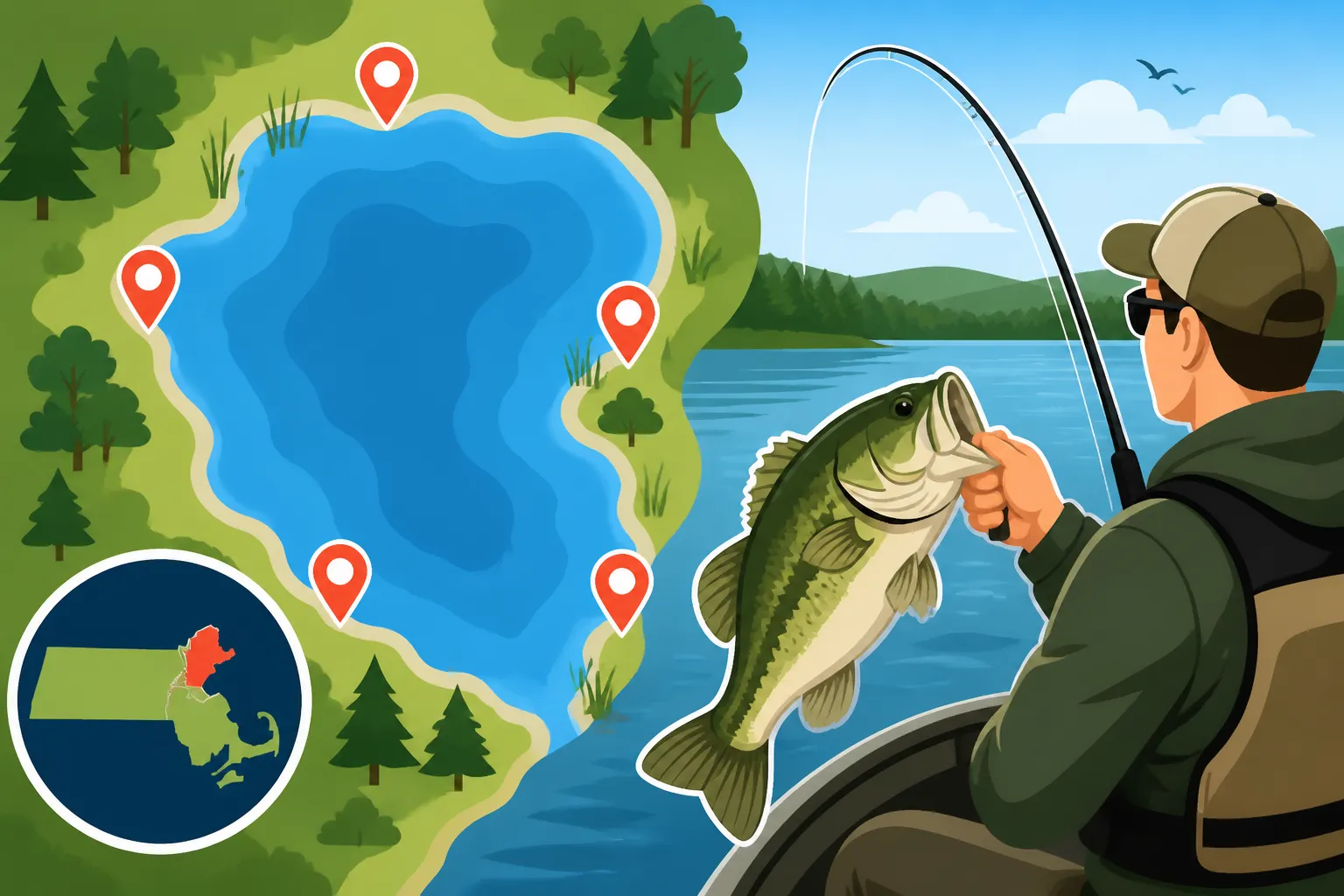
Assawompset Pond isn't just another body of water in southeastern Massachusetts; it's a significant part of the state's natural heritage and a fantastic fishing destination often overlooked by those who stick to the more advertised lakes. Located primarily in Lakeville, with portions extending into Freetown and Middleborough, it's actually the largest natural great pond within Massachusetts, a truly impressive claim. Its sheer size means there's a lot of water to explore, offering diverse habitats from shallow coves and lily pad fields to deeper open water.
Unveiling the Pond's Character and Ecosystem
When you first approach Assawompset, you'll immediately notice its vastness. With an average depth of about 8 feet and a maximum depth reaching around 16 feet, it's not a deep-water behemoth, but its sprawling surface area of over 2,500 acres creates an incredibly rich and varied aquatic ecosystem. The pond is relatively shallow, which means it warms up nicely in the spring, kicking off the fishing season earlier for many species, and stays productive throughout the summer. This also means understanding bottom structure and vegetation is key to finding fish.
The pond's bottom is a mix of sand, gravel, and muck, with plenty of submerged vegetation, especially in the shallower coves and along the shorelines. These weed lines and submerged structures are absolute magnets for baitfish and, consequently, the predatory game fish we're all after. Water clarity can vary, but generally, it's a fertile pond, meaning it supports a healthy biomass of aquatic life. This rich environment provides ample food for the fish, helping them grow to impressive sizes. It’s not uncommon to hear tales of trophy catches from these waters, adding to its allure for serious anglers.
Beyond its main expanse, Assawompset is part of a larger chain of interconnected ponds, including Long Pond, Great Quittacas Pond, and Little Quittacas Pond. While most anglers focus on Assawompset itself, understanding this connectivity helps appreciate the overall watershed health and potential for fish movement. The interconnectedness also hints at the robust natural population of many species here. For those looking to explore other prime fishing locations in the state, our guide on the Best Freshwater Ponds and Lakes in Massachusetts can point you in the right direction.
The Abundant Aquatic Life of Assawompset Pond
One of the main draws of Assawompset Pond is the incredible diversity and abundance of its fish population. Whether you're a freshwater enthusiast targeting bass or looking for panfish action, this pond truly delivers. It's renowned for its largemouth bass, but there's a whole lot more swimming beneath the surface.
Targeting Largemouth Bass: The Pond's Crown Jewel
If you talk to local anglers about Assawompset Pond, largemouth bass will undoubtedly be at the top of their list. This pond is consistently rated as one of the best for largemouths, and for good reason. The combination of extensive shallow areas, abundant weed beds, and plenty of submerged structure creates an ideal habitat for these aggressive predators. Anglers frequently pull out bass in the 3-5 pound range, with true lunkers exceeding 6 or 7 pounds caught regularly.
Spring and early summer are particularly productive for bass fishing here. As water temperatures rise, the bass move into shallower areas to spawn, becoming more accessible and aggressive. Look for them around lily pads, fallen trees, and rocky outcroppings. During the heat of summer, they might retreat to slightly deeper water or hold tight to dense cover, but they'll still be looking for a meal. Fall offers another fantastic opportunity as bass fatten up before winter. For detailed advice on how to target these beauties, check out our guide on How to Catch Largemouth Bass in Massachusetts.
Beyond Bass: Pickerel, Perch, and Panfish Galore
While largemouth bass steal the spotlight, Assawompset Pond is a paradise for anglers seeking other freshwater species. Chain pickerel are incredibly common and offer thrilling fights, especially on light tackle. They lurk in the same weedy areas as bass and are opportunistic feeders, often striking a variety of lures and baits with ferocity. They're a blast to catch, and their toothy grins are a signature of New England freshwater fishing. Our Chain Pickerel Fishing in Massachusetts article has more tips.
Yellow perch are another staple here, providing consistent action for anglers of all ages. These schooling fish are often found in slightly deeper sections or along the edges of weed beds. They're delicious table fare and can provide non-stop fun, especially when you locate a school. Crappie, both black and white, are also present, often found near submerged timber or brush piles, offering another excellent panfish opportunity. Sunfish, including bluegill and pumpkinseed, are ubiquitous and perfect for introducing kids to the joys of fishing.
Don't forget about the abundant white perch populations. These feisty fish offer excellent sport and are equally good on the dinner plate. They tend to school up, so once you find one, you're likely to find many more. They can be caught on small jigs, worms, or even tiny crankbaits. For comprehensive information on what fish you can expect throughout the state, our Massachusetts Fish Identification Guide is a handy resource.
Navigating Assawompset Pond: Access and Regulations
Understanding how to access the pond and what rules to follow is paramount for a successful and legal fishing trip. Assawompset Pond is part of the larger state-managed system, so general Massachusetts fishing regulations apply, but there are also specific considerations for this particular body of water.
Public Access Points and Boat Launch Information
The primary public access for Assawompset Pond is located off Route 18 in Lakeville, at the Assawompset Pond Boat Ramp. This is a well-maintained ramp suitable for trailered boats, offering ample parking. It's a busy spot, especially on weekends during peak season, so plan accordingly for potential waits. From this launch, you have direct access to the main body of the pond, with all its nooks and crannies to explore.
For those with canoes, kayaks, or smaller car-top boats, there might be other less formal access points or areas where you can put in, but the main ramp is the most reliable and legal option. Always be mindful of private property when exploring alternative access. Remember that a Massachusetts fishing license is required for anyone 15 years and older, whether you're a resident or non-resident. Our guide, Massachusetts Fishing License Requirements by Age, can clarify who needs one. You'll want to ensure you're up to date on all regulations, and our full Massachusetts Fishing License Guide is an excellent starting point.
Essential Regulations and Best Practices
Like all Massachusetts waters, Assawompset Pond is subject to state fishing regulations. This includes statewide limits for freshwater species. For example, the current daily creel limit for largemouth and smallmouth bass is 5 fish, with a minimum size of 12 inches. Pickerel generally have a 5 fish limit with a 15-inch minimum. Panfish like perch and sunfish often have more generous limits or none at all, but it's crucial to consult the latest Massachusetts Freshwater Daily Catch Limits pamphlet from MassWildlife before you head out. These regulations are in place to ensure the health of the fishery for generations to come, and responsible angling means respecting them.
| Species | Common Size Range (Inches) | Best Baits/Lures | Key Habitats in Assawompset | Seasonality |
|---|---|---|---|---|
| Largemouth Bass | 12-20+ | Plastic worms, spinnerbaits, crankbaits, topwater, live shiners | Weeds, lily pads, submerged timber, coves | Spring-Fall |
| Chain Pickerel | 15-24+ | Spoons, spinnerbaits, shiners, large jigs | Dense weeds, shallow edges | Year-round |
| Yellow Perch | 6-12 | Small jigs, worms, minnows | Edges of weed lines, open water schools | Year-round |
| White Perch | 7-13 | Small jigs, worms, minnows | Open water schools, drop-offs | Spring-Fall |
| Black Crappie | 8-14 | Small jigs, minnows, tiny soft plastics | Submerged brush, docks, deep weed edges | Spring-Fall |
| Bluegill/Pumpkinseed | 4-8 | Worms, crickets, tiny jigs | Shallow weeds, fallen trees, docks | Spring-Fall |
It’s always a good idea to check the MassWildlife website or pick up a copy of the latest freshwater fishing regulations guide before your trip, as rules can change. Additionally, remember to practice catch and release, especially for larger breeding fish, to help maintain the robust populations in Assawompset. If you're planning a trip during specific times of the year, our guide to Massachusetts Fishing Seasons Explained can offer valuable insights.
Techniques and Tackle for Assawompset Pond's Diverse Fish
Having the right gear and knowing the most effective techniques can make all the difference in turning a good day on Assawompset Pond into a truly memorable one. Given the pond's characteristics and its diverse fish population, versatility is your friend.
Master the Art of Bass Fishing in the Weeds
For largemouth bass, you'll want to focus on the ample weed beds and lily pad fields. Jigging with weedless soft plastics like Texas-rigged worms or creature baits is incredibly effective. Colors like green pumpkin, black, and junebug are perennial favorites. Flipping and pitching these baits into pockets in the weeds or along their edges will often trigger strikes from ambush predators. Topwater lures, such as frogs or poppers, can be exhilarating during low-light conditions (dawn, dusk) or on overcast days, especially when worked over matted vegetation.
Spinnerbaits and chatterbaits are also excellent choices for covering water quickly along weed lines or around submerged stumps. Don't be afraid to experiment with retrieve speeds and depths until you find what the fish are reacting to. Often, a sudden pause or a quick jerk can be the key. For a comprehensive overview of tactics, our article on Largemouth Bass Fishing in Massachusetts is an invaluable resource. If you're a beginner or just looking to hone your skills, even if Assawompset Pond doesn't host many fishing guides, finding a guide for a similar lake through a service like FishingBooker for another location could help you pick up advanced techniques.
Excelling with Pickerel and Panfish Strategies
For chain pickerel, spoons, inline spinners, and smaller stickbaits retrieved with an erratic action work wonders. They love a flash and a quick movement. Consider steel leaders, as their sharp teeth can easily cut through monofilament or fluorocarbon. Live shiners under a bobber are also a classic and highly effective method for both pickerel and larger bass, especially during colder months.
Yellow perch and other panfish are usually less finicky. Small jigs tipped with a piece of worm, minnow, or a tiny soft plastic grub are incredibly effective. A simple bobber-and-worm setup is often all you need, making it perfect for kids or casual anglers. Light line (4-6 lb test monofilament or fluorocarbon) will increase your hook-ups with these smaller, more cautious eaters. If you're targeting perch, using a fish finder to locate schools in slightly deeper water can significantly increase your success rate. These schooling fish will often hold around transition areas, like where a weed bed meets open water. Our guide on Yellow Perch Fishing in Massachusetts offers more in-depth advice.
Seasonal Considerations and Maximizing Your Trip
Fishing Assawompset Pond can be productive year-round, but understanding the seasonal nuances will greatly enhance your chances of success and help you plan the most rewarding trips. Each season presents unique opportunities and challenges.
Spring and Summer: Peak Action and Warm Water Thrills
Spring is arguably one of the best times to fish Assawompset Pond. As the ice melts and water temperatures begin to climb, all species become active. Largemouth bass move into the shallows for spawning, making them very accessible to shore anglers and boaters alike. This is when topwater baits can shine, especially in the mornings and evenings. Pickerel are also very active, and panfish begin to school up and feed aggressively. Early spring trout stocking often happens in some connected waters, so being aware of the broader MassWildlife schedule is beneficial, even if Assawompset itself isn't primarily a trout pond.
Summer brings warmer water, and fish behavior shifts. Bass might hold tighter to deeper cover or seek cooler water during the brightest parts of the day. Early morning and late evening become prime times. Fishing during the midday heat can still be productive, but you'll need to work baits slower and target denser cover. This is also a fantastic time for panfishing with kids, as the bite is usually consistent. Don't forget sunscreen and plenty of water! For more on specific species, our guide on Largemouth Bass Fishing in Massachusetts offers additional summer tips.
Fall and Winter: Cooler Temps and Ice Fishing Adventures
As autumn leaves begin to change, so does the fishing. Fall is another prime season, often rivaling spring in terms of activity. Fish, especially bass and pickerel, go on a feeding frenzy to bulk up for winter. They can be found in a variety of depths, often moving between shallow and deeper water as temperatures fluctuate. Crankbaits, jerkbaits, and larger spinnerbaits can be very effective as fish become more aggressive. The cooler water also tends to concentrate baitfish, making it easier to locate predators.
Once winter truly sets in and safe ice forms, Assawompset Pond transforms into an ice fishing haven. As mentioned before, pickerel and perch are the stars of the show, but a few dedicated ice anglers also pull out some impressive largemouths. It's a completely different kind of fishing experience, requiring specialized gear and a strong emphasis on safety. Always check local ice conditions and never venture onto unsafe ice. Knowing Ice Fishing in Massachusetts rules and safety is crucial. While Assawompset is generally a self-sufficient pond for anglers, if you're looking for guided ice fishing trips or other specialized excursions in different parts of the state, consulting platforms like FishingBooker can connect you with experienced local guides. They list numerous options for Best Fishing Spots in Massachusetts and beyond, offering a comprehensive look at available services.
Local Bait Shops and Supplies
While there might not be a dedicated bait shop right on the water's edge of Assawompset Pond, several sporting goods stores and smaller bait shops in the surrounding towns of Lakeville, Freetown, and Middleborough cater to anglers. Local spots like the Lakeville General Store or nearby tackle shops often carry live bait (shiners, worms) and a good selection of pond-specific lures. It's always a good idea to check their hours and stock before heading out, especially if you're relying on live bait. Supporting these local businesses is a great way to give back to the community that helps keep our fishing spots vibrant. For those who frequently visit different fishing locales, even a general resource like FishingBooker can assist in finding local services and guides, helping you plan your next fishing adventure, perhaps even on a Massachusetts Combination Hunting and Fishing License.
Assawompset Pond is truly a jewel for freshwater fishing in Massachusetts, offering abundant opportunities for anglers of all skill levels. With its diverse fish population, various habitats, and well-maintained public access, it’s a spot that deserves a place on every Massachusetts angler's list.
Disclaimer
The information provided in this guide is for general informational purposes only and is based on current understanding of fishing regulations and local conditions. Fishing regulations, seasons, and local conditions can change rapidly. Always consult the latest official Massachusetts Division of Fisheries and Wildlife (MassWildlife) regulations before planning your fishing trip to ensure compliance and safety. Personal safety should always be your top priority when fishing.