Best public fishing access points in Massachusetts
It’s a common frustration: you’ve got your gear ready, your spirits are high, but then you realize finding a legitimate, easy-to-access fishing spot that isn't private property or riddled with restrictions can feel like trying to find a needle in a haystack. This comprehensive guide is here to cut through that confusion, walking you through the very best public fishing access points across Massachusetts, ensuring your next angling adventure starts off right, no matter if you're a seasoned pro or just getting your feet wet.
Navigating the Diverse World of Massachusetts Public Fishing Access
Massachusetts is a beautiful state, teeming with incredible fishing opportunities in both fresh and saltwater environments. However, knowing where you can actually cast a line without trespassing or running into legal trouble is half the battle. Thankfully, the Bay State offers a robust network of public access points, from bustling coastal piers to tranquil inland boat launches. Understanding the different types of access available, and who is responsible for them, is key to planning a successful and stress-free fishing trip.
Identifying Different Types of Public Access Points
When we talk about public fishing access, we're not just talking about one single type of spot. It’s a whole spectrum, each offering unique advantages and catering to different fishing styles.
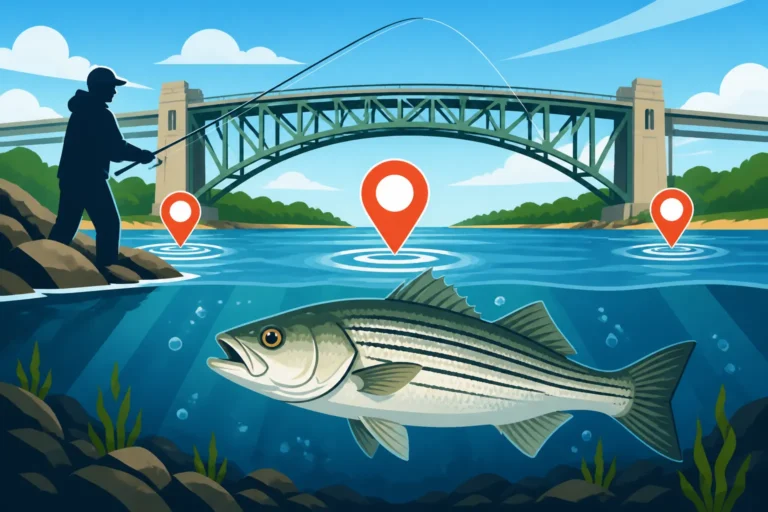
First, there are the myriad shore fishing spots. This category is broad, encompassing sandy ocean beaches perfect for surfcasting, rocky jetties and breakwaters that hold tog and stripers, and concrete piers or boardwalks that extend into harbors or large lakes. Think about places like the Cape Cod Canal, where anglers can walk miles of shoreline to chase striped bass, or the public boardwalks in coastal towns like Hull or Gloucester that offer easy access for families. These spots are fantastic because they require minimal equipment beyond your rod, reel, and tackle, and you don't need a boat. You just show up, find your spot, and cast away. Many urban areas even boast riverwalks or park shorelines along bodies of water like the Charles River in Boston, making it incredibly convenient for city dwellers to get a line in the water.
Next, we have boat launches, which are essential for anglers looking to explore deeper waters or cover more ground. These come in two main flavors: trailer boat ramps for larger vessels that need to be backed into the water, and car-top or kayak launches for smaller, hand-carried craft. MassWildlife (the Massachusetts Division of Fisheries and Wildlife) and the Department of Conservation and Recreation (DCR) maintain numerous paved ramps across the state, providing access to everything from large reservoirs like the Quabbin (though it has unique restrictions) to saltwater bays and harbors. Car-top launches, on the other hand, are often simpler dirt or gravel paths leading to smaller ponds, slow-moving rivers, or protected coves, ideal for kayaks, canoes, or stand-up paddleboards. These are your tickets to getting away from the crowds and finding those secluded honey holes.
Finally, don't overlook riverbanks and trailside access. Many of Massachusetts’ smaller rivers and streams, particularly those known for trout, have public easements or run through state forests and conservation land, allowing anglers to walk the banks and fish. While these might not have designated parking lots or facilities, they offer a more wild, immersive experience. Always be sure to look for signage indicating public access or consult maps from MassWildlife or local land trusts to ensure you’re not accidentally straying onto private property.
Understanding Who Provides and Maintains These Access Points
Knowing which entity is responsible for a particular fishing spot can be incredibly helpful, especially if you have questions about specific rules, facilities, or future plans for the area. In Massachusetts, several state and local agencies play a crucial role in providing and maintaining public fishing access.
The Massachusetts Division of Fisheries and Wildlife (MassWildlife or DFW) is arguably the most significant player for anglers. They manage countless Wildlife Management Areas (WMAs), stocking programs, and, importantly, a vast network of boat ramps and shore access points to ponds, lakes, and rivers throughout the state. Their mission is conservation and providing recreational opportunities, so when you see a MassWildlife sign, you know you're in a spot designated for public use, often with a focus on fishing and wildlife observation. The fees from things like your Massachusetts Fishing License Guide and Massachusetts Freshwater Fishing License Costs and Rules directly support their efforts in maintaining and improving these crucial public lands and access points.
The Department of Conservation and Recreation (DCR) is another major steward of public lands, managing state parks, forests, and some of the largest reservoirs like Wachusett and sections of Quabbin. DCR properties often have well-maintained parking areas, restrooms, and clear signage regarding permissible activities, including fishing. For places like Wachusett Reservoir, DCR dictates specific access gates for shore fishing, and private boats are prohibited, making shore access paramount. When visiting DCR properties, it's always wise to check their website for specific regulations, as they can sometimes differ from general MassWildlife rules.
Beyond state agencies, local towns and municipalities also maintain numerous public access points, particularly along their coastlines or on local ponds. These might be town landings, municipal piers, or parks with waterfront access. Rules for these local spots can vary widely, from requiring local resident parking stickers to having specific hours or restrictions on types of bait. A quick search on the town's official website or a call to the local harbormaster or park department can save you a headache. Finally, some access points might be on federal lands, though this is less common for general recreational fishing in Massachusetts compared to the state-run options. Always consult signage or official websites to understand the governing authority and their specific guidelines for any access point you plan to visit.
Spotlight on Prime Public Fishing Access Across the Bay State
Massachusetts truly offers something for every type of angler, from the salty dog chasing stripers along the coast to the peaceful fly fisherman seeking trout in a quiet inland stream. Let's cast a wider net and explore some of the most prominent public fishing access points across the state, highlighting both popular and perhaps lesser-known gems.
Coastal and Estuarine Access Points for Saltwater Anglers
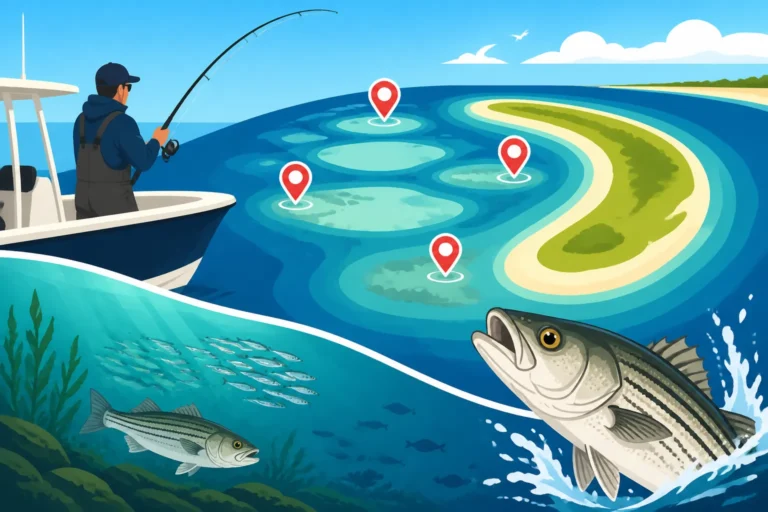
When it comes to saltwater fishing, Massachusetts boasts a breathtaking coastline, and luckily, much of it is publicly accessible.
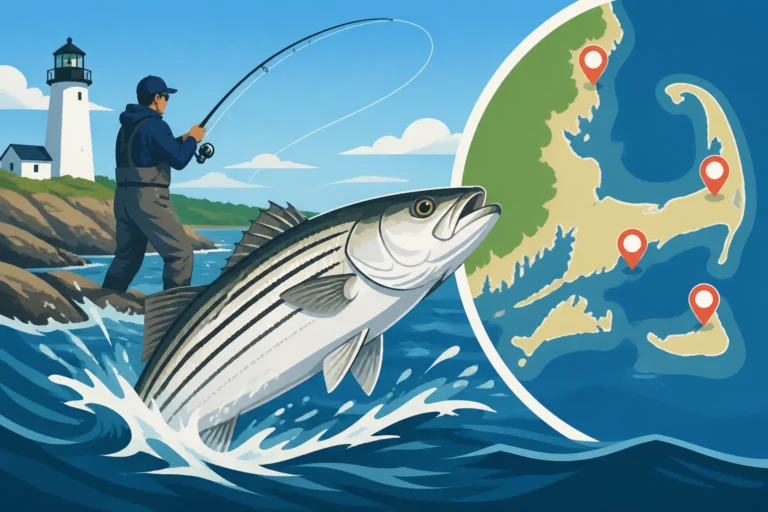
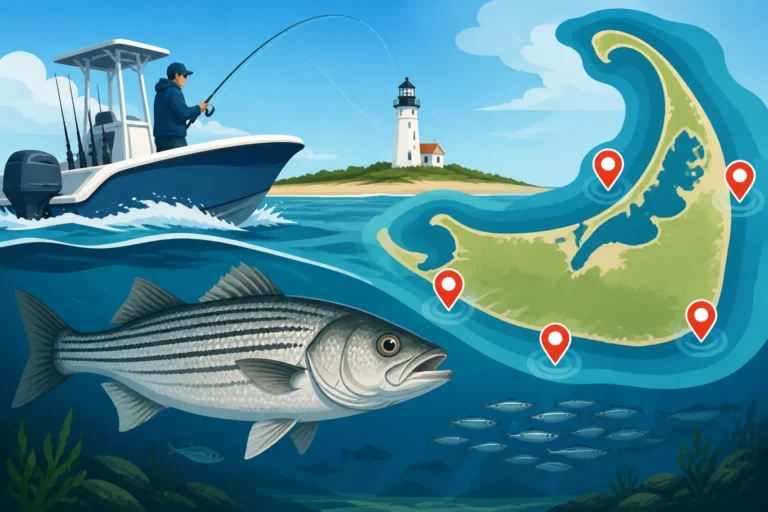
Cape Cod & the Islands is, of course, a legendary destination. The Cape Cod Canal is arguably the most famous public access point, allowing anglers to fish from shore along its entire seven-mile length. You can park at numerous designated lots and walk the service roads to find your perfect spot. It's a prime location for casting big plugs for striped bass and bluefish. For those interested in learning more about this iconic waterway, check out our guide on the Cape Cod Canal Fishing Guide for Massachusetts Anglers. Beyond the Canal, spots like Scusset Beach State Reservation at the canal's east entrance offer surfcasting opportunities for stripers and flounder. In Provincetown, the MacMillan Pier provides easy public access for catching mackerel, scup, and sometimes even stripers, without needing a boat. Many Cape Cod towns also have public boat ramps or smaller town landings that accommodate kayaks and small boats, allowing access to the calmer waters of Nantucket Sound or Cape Cod Bay. If you're looking to explore further or target specific species, sometimes a guided trip is the way to go. Platforms like FishingBooker list various charters that depart from many public marinas or nearby private docks all along the Cape, making it easy to turn those accessible points into starting lines for bigger adventures.
Moving north, the North Shore offers fantastic opportunities. Plum Island is a hotspot, especially within the Parker River National Wildlife Refuge. While some areas are restricted, the refuge provides extensive beach access for surfcasters targeting striped bass and bluefish, particularly during the spring and fall migrations. Just be sure to check their seasonal access rules and consider an entry fee during certain times of the year. In towns like Gloucester, public docks and small urban beaches provide convenient spots to drop a line for harbor pollock, mackereland even an occasional striper. The beaches of Salisbury and Cranes Beach in Ipswich also offer excellent surfcasting.
The Greater Boston & South Shore areas aren't lacking either. Castle Island in South Boston is a favorite, offering pier and shoreline fishing with stunning views of Boston Harbor. It’s a great spot for catching flounder, striped bass, and even some small bluefish. For a deeper dive into the city's aquatic offerings, our guide on the Best Places to Fish in Boston Harbor, Massachusetts can provide more detailed insights. Further south, Webb Memorial State Park in Weymouth and Fort Phoenix State Beach in Fairhaven provide excellent shore access to Buzzards Bay and its bountiful fishing. These spots are usually well-maintained by DCR and offer amenities like parking and restrooms, making them family-friendly options. While charter fishing offers an incredible experience, don't underestimate the thrill and accessibility of fishing directly from these public shorelines. Many anglers find immense satisfaction in simply walking up to one of these spots, casting out, and connecting with the rich marine life that Massachusetts has to offer. In fact, if you’re looking to get out on the water but prefer a guided touch from one of these accessible points, you might find local guides on FishingBooker who specialize in kayak or small boat trips from public launches.
Inland Lakes, Ponds, and Rivers for Freshwater Enthusiasts
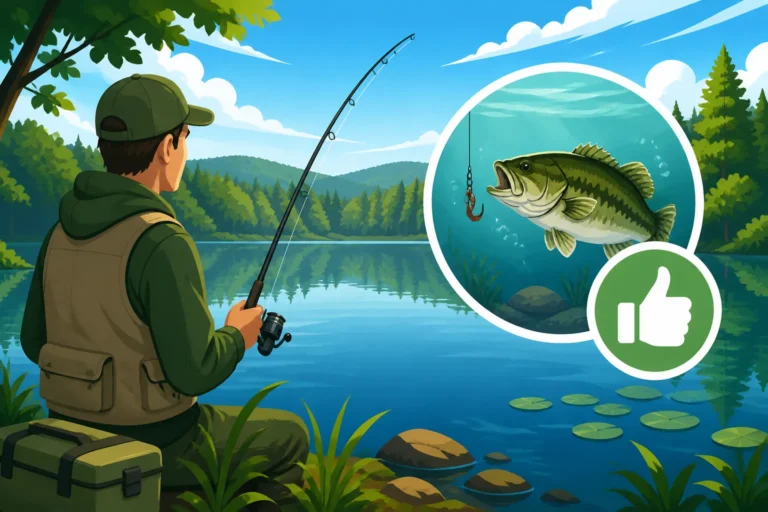
Massachusetts' freshwater fishing scene is just as vibrant, with an abundance of lakes, ponds, and rivers providing endless opportunities for bass, trout, panfish, and more. Public access is widespread, thanks largely to MassWildlife and DCR.
In Central & Western Massachusetts, the major reservoirs are star attractions. The Quabbin Reservoir is a true gem, offering incredible fishing for trout, salmon, and smallmouth bass. While private boats are heavily restricted, there are several designated public shore fishing access gates. Gate 8 in Hardwick, Gate 16 in New Salem, and Gate 31 in Pelham are popular spots, offering miles of shoreline for anglers to explore. For those looking to get on the water, there are designated public boat launches where you can rent DCR-approved boats, but strict rules apply. To help you navigate this unique fishery, we have a detailed guide on the Quabbin Reservoir Fishing Guide for Massachusetts Anglers. Similarly, the Wachusett Reservoir in Clinton is another fantastic DCR-managed fishery, famous for its trophy lake trout and brown trout. No private boats are allowed, but numerous DCR access gates provide ample shore fishing opportunities. Anglers can walk the DCR roads and trails around the reservoir, making it an excellent walk-and-wade destination.
The state's major rivers also offer extensive public access. The Connecticut River, running through Western Massachusetts, is a massive waterway with numerous public boat ramps and shore fishing spots in towns like Holyoke, Springfield, Northampton, and Gill. It’s a diverse fishery, home to smallmouth and largemouth bass, pike, walleye, and even migratory shad in the spring. The Merrimack River in the northeast offers similar opportunities, with public landings in cities like Lowell and Haverhill, providing access for boaters and shore anglers targeting smallmouth bass and carp. Even the urban Charles River in Boston, Cambridge, and Watertown has designated public parks and shorelines (like those along the Esplanade) where anglers can fish for carp, bass, and panfish.
For smaller ponds and lakes, MassWildlife is your best friend. They maintain hundreds of designated Wildlife Management Areas (WMAs) and public boat launches across the state, many offering car-top access to ponds perfect for bass, pickerel, and panfish. DCR State Parks also frequently include ponds with public access, such as Lake Cochituate State Park in Natick or Walden Pond State Reservation in Concord, both offering bass and trout fishing. These ponds are often part of the Massachusetts Trout Stocking Schedule, making them excellent targets during the spring and fall. Always remember to consult MassWildlife's website for specific maps and access points for these smaller bodies of water. Knowing the Massachusetts Recreational Fishing Rules and Bag Limits and Massachusetts Fishing License Requirements by Age for all species is also paramount, regardless of whether you're fishing freshwater or saltwater.
Essential Tips for Maximizing Your Public Access Fishing Experience
Finding a public access point is just the first step. To truly have a successful and enjoyable fishing trip, you need to be prepared, understand the local nuances, and, most importantly, be a responsible angler.
Preparing for Your Trip: Licenses, Gear, and Local Knowledge
Preparation is key, especially when you're relying on public access where amenities might be limited. The first, and most critical, item on your checklist is your fishing license. Remember, almost everyone over the age of 15 needs a freshwater fishing license, and virtually all saltwater anglers (including those fishing from shore, piers, or private boats) need a Massachusetts Saltwater Recreational Fishing Permit. There are some nuances, like specific permits needed for fishing the Quabbin Reservoir or age-based exemptions, but generally, get your license! You can purchase them online through the MassFishHunt system, at designated vendors, or sometimes even through platforms like FishingBooker if you're exploring charter options, as guides often help clients navigate these requirements. For a full breakdown, definitely check out the Massachusetts Saltwater Recreational Fishing Permit Explained.
Next, consider your gear. If you're planning on shore fishing from a beach or jetty, a longer surf rod might be essential to reach deeper water. For riverbanks or smaller ponds, a lighter, more versatile spinning rod or fly rod will do. Kayak anglers need compact gear that fits their vessel. Thinking about the type of access point will dictate your equipment. Don't forget essentials like a tackle box with a variety of lures and bait, a landing net, pliers, a cooler with ice for your catch (if you plan to keep fish), and plenty of water and snacks. If you're trying out new techniques, perhaps a look at our Massachusetts Surf Fishing Techniques guide might be helpful.
Finally, invest some time in acquiring local knowledge. MassWildlife’s website is an invaluable resource, providing detailed maps of public access points, fish stocking reports (especially useful if you're targeting trout, as per the Massachusetts Freshwater Fishing Season Calendar), and specific regulations for various bodies of water. Local bait and tackle shops are also goldmines of information; the folks working there live and breathe fishing in their area and can offer up-to-the-minute advice on what's biting, what bait to use, and where the fish are holding. Don't be shy about asking questions! Even a quick chat with another angler at your chosen spot can yield valuable insights.
Practicing Responsible Angling at Public Access Points
Using public access points comes with the responsibility of being a good steward of these shared resources. This not only ensures that these spots remain beautiful and productive for years to come but also fosters a positive relationship between anglers and other users of public lands.
Leave no trace is paramount. Pack out everything you pack in, and if you see litter, consider picking it up. Disposing of monofilament line correctly (many places have specific bins) is critical, as it can be deadly to wildlife. Respect designated parking areas and hours; an illegally parked car can quickly lead to a ticket or, worse, restricted access for all anglers in the future.
Respect private property adjacent to public access points. While public access might grant you permission to fish a certain area, it doesn't mean you can trespass on neighboring private land to get there or to retrieve a snagged lure. Be mindful of property lines and signage.
Share the space. Public access points are often used by a variety of people: swimmers, sunbathers, hikers, birdwatchers, and other anglers. Be courteous. Give other anglers ample space, especially when casting. Keep noise levels down, and ensure your activities don't detract from someone else's enjoyment of the outdoors.
Finally, always adhere to all fishing regulations, including size limits, bag limits, and seasonal restrictions. These rules are in place for a reason – to ensure sustainable fish populations for everyone. Being a responsible angler means understanding and following these guidelines. By doing so, you're not just ensuring your own future fishing trips, but helping to preserve Massachusetts' incredible natural heritage for generations of anglers to come.
Disclaimer
The information provided in this guide is for general informational purposes only and is subject to change. Fishing regulations, license requirements, and access rules for specific locations in Massachusetts can be updated frequently by MassWildlife, DCR, and local municipalities. Always consult the most current official Massachusetts Division of Fisheries and Wildlife (MassWildlife) regulations and local signage before heading out on your fishing trip. Failure to comply with regulations may result in fines or penalties.