How to Catch Largemouth Bass in Massachusetts
Alright, fellow anglers, let's talk about one of Massachusetts' most exciting freshwater residents: the largemouth bass. If you've spent frustrating hours casting into seemingly perfect coves or lily pad fields, only to come up empty, you're not alone. These wily predators can be incredibly challenging, but also incredibly rewarding once you crack their code. This guide is your deep dive into understanding, finding, and ultimately, consistently catching largemouth bass right here in the Bay State, from their secret haunts to the perfect lure presentation.
Understanding Largemouth Bass in Massachusetts Waters
Before you even think about casting, it's crucial to get inside the head of a largemouth bass. These fish aren't just swimming aimlessly; they have distinct behaviors, preferences, and patterns that, once understood, can dramatically improve your chances of success. Massachusetts offers a fantastic array of freshwater environments, and knowing how bass interact with them throughout the year is your first step to becoming a more effective angler.
Biology and Behavior of Largemouth Bass
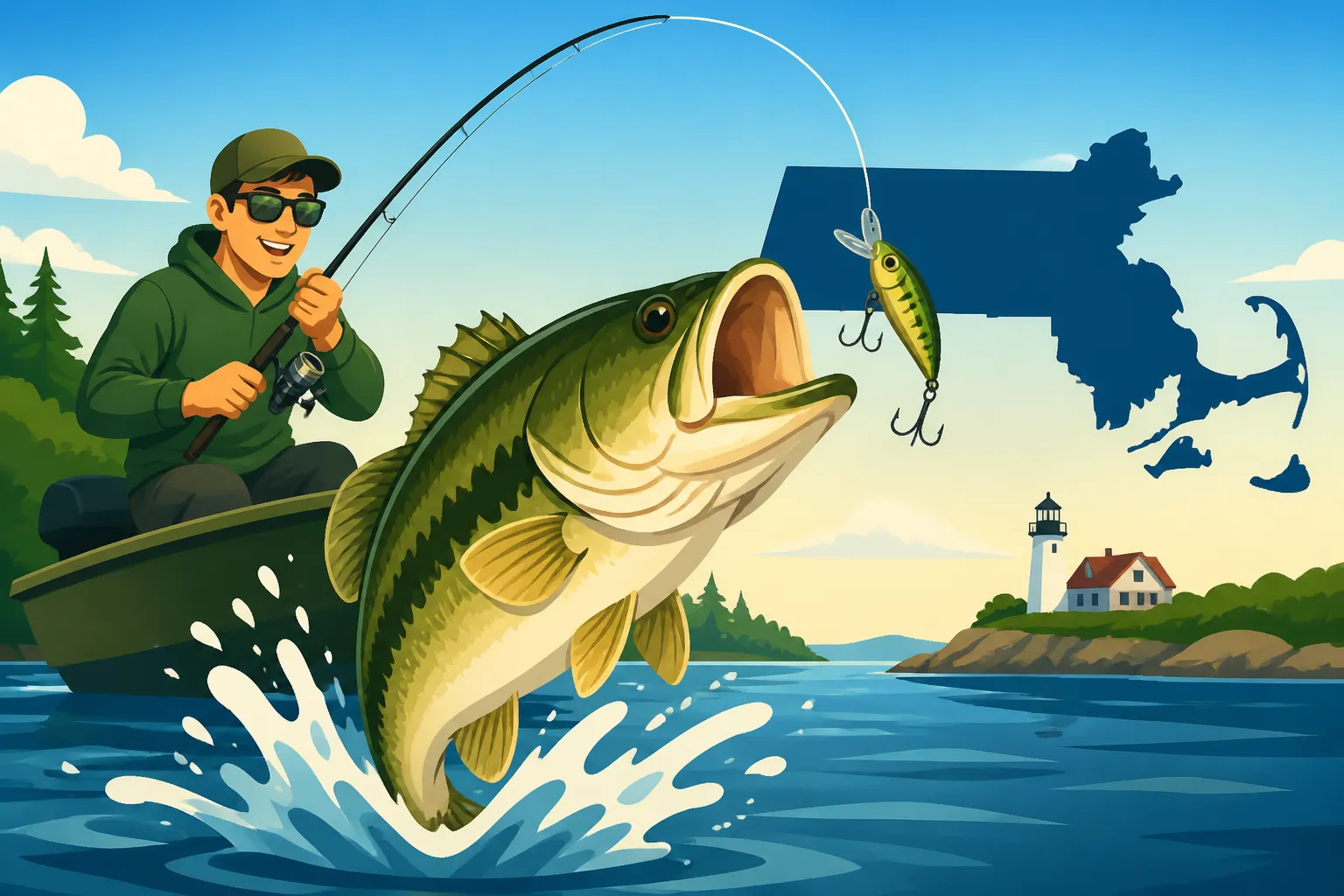
Largemouth bass (scientific name: Micropterus salmoides) are true apex predators in many of our freshwater systems. They're known for their aggressive strikes, impressive leaping ability, and their sheer power once hooked. What really sets them apart is their large mouth, extending past their eye, which allows them to engulf surprisingly big prey. These fish are opportunistic feeders, consuming everything from baitfish like shiners and bluegill to frogs, crawfish, and even small rodents or birds that happen to fall into the water.
Their behavior is heavily influenced by their environment, especially water temperature and available cover. Unlike some species that prefer open water, largemouth bass are structure-oriented. They love to hide, ambush, and feel secure, which is why you'll often find them tucked into dense vegetation, submerged timber, or rocky drop-offs. They're also highly sensitive to changes in light, often becoming more active during low-light conditions at dawn, dusk, or on overcast days, but they'll absolutely feed mid-day if the conditions are right or if a prime ambush opportunity presents itself.
Preferred Habitats in Massachusetts
Massachusetts is blessed with thousands of ponds, lakes, and slow-moving rivers that are ideal largemouth bass habitat. These fish thrive in warmer, often shallower waters compared to their cold-loving trout cousins. When you're scouting a new spot or trying to decipher an old favorite, think about where a bass would find food, shelter, and comfort.
Look for areas with abundant aquatic vegetation, such as lily pads, milfoil, hydrilla, and coontail. These "salad bowls" provide shade, ambush points, and a buffet of smaller fish and insects. Submerged structures like fallen trees, brush piles, rock formations, docks, bridge pilings, and even old tires or shopping carts (unfortunately!) are also prime real estate for bass. Deeper waters adjacent to these structures are often holding areas, especially when the weather changes or during the hotter parts of summer. Ponds with clear water often have bass hiding deeper, while stained or murky water might see them shallower. Don't forget feeder creeks and points, which act as natural highways for baitfish and offer current breaks for bass to wait.
Seasonal Patterns and Bass Movement
The largemouth bass bite in Massachusetts isn't a static thing; it shifts dramatically with the seasons. Understanding these seasonal migrations and behavioral changes is perhaps the most critical factor in consistent success. For example, knowing When striped bass arrive in Massachusetts waters is key for saltwater anglers, but for freshwater, it’s all about the water temperature.
-
Spring (Pre-Spawn & Spawn): As ice melts and water temperatures climb into the 50s and 60s Fahrenheit, bass move from deeper wintering holes into shallower, warmer flats and coves. This is the pre-spawn, when they feed aggressively to build energy for spawning. They'll often stage near deeper water but close to prime spawning grounds. Once water hits the mid-60s, the spawn begins. Males prepare nests in shallow, protected areas, and females lay eggs. During the spawn, bass can be finicky, protecting their nests but not always actively feeding. After spawning, males guard the fry, while females often move to slightly deeper cover to recover. This transition phase in spring is often covered in guides like How to Catch Largemouth Bass in Spring in Massachusetts.
-
Summer (Post-Spawn & Heat of Summer): As waters heat up, bass seek comfort and consistent food sources. Early summer sees them recovering from the spawn, still somewhat spread out. But as air and water temperatures climb into the 70s and 80s, bass become more patterned. They'll move to deeper main lake points, thermoclines (a distinct layer in the water with a rapid temperature change), offshore humps, and dense, shaded cover. Early mornings, late evenings, and overcast days are prime feeding times, often with a good topwater bite. During midday heat, they'll often be buried deep in weeds or timber, or holding in cooler, deeper water.
-
Fall (Pre-Winter Feast): As temperatures cool and days shorten, bass sense winter approaching and begin an aggressive feeding binge, often called the "fall turnover." They'll follow baitfish into shallower pockets and coves, feeding heavily to pack on weight. This can be one of the best times of the year to catch big bass, as they are actively hunting and less pressured than in the summer. Look for schools of baitfish, and you'll often find bass nearby. The entire water column can be productive as bass chase prey.
-
Winter (Ice Fishing): While not as popular as ice fishing for perch or crappie, largemouth bass can certainly be caught through the ice in Massachusetts. They become much more lethargic, moving slower and feeding less frequently. They'll typically hold in deeper basins, often near the bottom or suspended over deep water, especially close to structure that offers cover and slightly warmer temperatures. You'll need a more patient approach and slower presentations.
Essential Gear for Massachusetts Largemouth Bass
Having the right tools for the job can make all the difference, and bass fishing is no exception. While you don't need to break the bank to start, investing in reliable gear tailored to largemouth bass fishing will significantly enhance your experience and success. From the rod in your hand to the lure on your line, every piece plays a role in presenting your bait effectively and landing that trophy fish. Many anglers find great deals on quality gear on platforms like Amazon.
Rods, Reels, and Line: Matching Your Tackle
Choosing the right rod, reel, and line setup is foundational for effective bass fishing. You’ll want versatility, but also specialized tools for certain techniques.
-
Rods: For general largemouth fishing, a medium-heavy (MH) power rod, typically 6'6" to 7'3" in length, is a fantastic all-around choice. This provides enough backbone to fight larger fish and cast heavier lures, while still offering enough sensitivity for subtle bites. For lighter presentations like finesse worms or smaller jigs, a medium (M) power rod will offer better sensitivity and lighter lure control. If you're tackling really heavy cover or throwing big swimbaits, a heavy (H) power rod will give you the brute force needed. Rod actions (how much the rod bends) are also important:
- Fast Action: Bends mostly in the tip, offering excellent sensitivity and quick hook sets, ideal for single-hook baits like jigs and worms.
- Moderate-Fast Action: Bends in the top third to half, a good all-around choice.
- Moderate Action: Bends more into the blank, providing a parabolic bend that's great for treble-hook baits like crankbaits, as it prevents hooks from tearing out.
-
Reels:
- Baitcasting Reels: These are preferred by many experienced bass anglers for their casting accuracy, power, and control with heavier lines and lures. A gear ratio around 6.4:1 to 7.1:1 is a good starting point, offering a balance of retrieve speed and power. High-speed reels (8.1:1+) are great for quickly taking up slack, while lower speeds (5.X:1) are perfect for power-fishing with crankbaits or deep-diving lures.
- Spinning Reels: Excellent for lighter lures, finesse techniques, and beginners due to their ease of use and reduced backlash. A size 2500-3000 spinning reel paired with a medium or medium-light rod is perfect for smaller worms, jigs, and senkos.
-
Line:
- Monofilament (Mono): Stretchy, forgiving, and floats, making it good for topwater lures. It’s also relatively inexpensive. A common choice for crankbaits where stretch is desirable.
- Fluorocarbon (Fluoro): Low stretch, incredibly sensitive, and virtually invisible underwater, making it ideal for jigs, worms, and other bottom-contact baits. It sinks, which can be an advantage.
- Braided Line (Braid): Zero stretch, extremely strong for its diameter, and incredibly sensitive. It floats, so it's excellent for topwater and fishing in heavy vegetation, as it cuts through weeds. Many anglers use a braided main line with a fluorocarbon leader for added stealth. Common braid strengths range from 20-50 lb test, while fluorocarbon leaders can be 8-20 lb test, depending on conditions and target fish size.
Lure and Bait Essentials: What to Stock Your Tackle Box With
The world of bass lures is vast, but a few core types will cover most situations you'll encounter in Massachusetts. Think about what a bass sees in its natural environment.
-
Soft Plastics: These are arguably the most versatile and effective bass lures.
- Worms (Senkos, stick baits, trick worms): Excellent for subtle presentations. Wacky rigged or Texas rigged, they mimic injured baitfish or worms.
- Creature Baits/Craws: Mimic crawfish, a primary food source for bass. Great for flipping and pitching into cover.
- Grubs/Swim Baits: Versatile for jig heads, ChatterBaits, or as trailers.
- Tubes: Another crawfish imitator, especially effective for smallmouth but also great for largemouth.
- Brands like Gary Yamamoto (Senkos), Zoom (flukes, worms), and Berkley (PowerBait, Gulp!) are popular choices and readily available. You can find a huge variety of soft plastics on Amazon.
-
Jigs: Bass jigs are fish-catching machines.
- Football Jigs: Best for rocky bottoms, mimicking crawfish.
- Flipping/Pitching Jigs: Designed to penetrate heavy cover.
- Swim Jigs: Fished horizontally, mimicking baitfish.
- Combine with a soft plastic trailer for added bulk and action.
-
Crankbaits: These diving lures imitate baitfish.
- Shallow Divers (Squarebills): Great for bumping off shallow cover like rocks and laydowns.
- Medium/Deep Divers: Designed to reach specific depths, excellent for fishing ledges, humps, and drop-offs.
- Colors often mimic local baitfish (shad, perch) or crawfish.
-
Topwater Lures: Nothing beats a topwater strike!
- Poppers: Create a "bloop" and splash, imitating struggling prey.
- Walk-the-Dog baits (Spooks): Glide side-to-side, very effective.
- Frogs/Toads: Perfect for fishing over dense lily pads and slop.
- Buzzbaits: Creates a loud, gurgling commotion on the surface.
- These are usually most effective in low light or calm conditions.
-
Spinnerbaits & ChatterBaits:
- Spinnerbaits: Thump and flash, great for covering water and fishing through vegetation.
- ChatterBaits (Bladed Jigs): Combine the flash of a spinnerbait with the vibration of a crankbait, incredibly effective in many situations.
Terminal Tackle and Accessories: The Small but Mighty Components
Don't overlook the small stuff! Your terminal tackle (hooks, weights, swivels) and essential accessories are critical for proper lure presentation and fish handling.
-
Hooks:
- Offset Worm Hooks (EWG, straight shank): Essential for Texas rigging soft plastics.
- Wide Gap Hooks: For wacky rigging or larger plastics.
- Jig Heads: Various weights and hook sizes for grubs, swimbaits, and finesse worms.
- Treble Hooks: For crankbaits and topwater lures (check for sharpness, replace if dull).
-
Weights:
- Bullet Weights (tungsten or lead): For Texas rigging, various sizes from 1/8 oz to 1 oz+. Tungsten is denser and more sensitive.
- Drop Shot Weights: For drop shot rigs.
- Punch Weights: Heavy weights (1 oz+) for punching through dense matted vegetation.
-
Other Terminal Tackle:
- Swivels: To prevent line twist, especially with some spinning lures.
- Snaps/Quick Clips: For quickly changing lures (use sparingly with bass as they can be seen).
- Fluorocarbon Leader Material: For stealth when using braid.
-
Accessories:
- Pliers/Forceps: For hook removal.
- Line Cutters: Scissors or clippers.
- Lip Grippers/Net: To safely land and handle fish.
- Measuring Board/Scale: For documenting catches and adhering to Massachusetts Freshwater Daily Catch Limits.
- Sun Protection: Hat, sunglasses, sunscreen.
- Tackle Box/Bag: To organize all your gear.
Top Largemouth Bass Fishing Techniques
Now that you're geared up, let's talk about how to actually present those lures to bass. Largemouth bass are visual predators, but they also respond to vibration, scent, and subtle movements. Mastering a few key techniques will allow you to adapt to different conditions and bass behaviors, ensuring you have a strategy for every scenario.
Casting and Retrieving: Mastering the Basics
The fundamental cast-and-retrieve is the bread and butter of bass fishing, but there's an art to it. Simply reeling in isn't enough; you need to understand how to impart action to your lure and cover water efficiently.
- Fan Casting: Instead of casting to the same spot repeatedly, use fan casting to cover a wide area from a single position. Start with a cast at 10 o'clock, then 11, 12, 1, and 2 o'clock (or similar, depending on your angle to the water). This ensures you're systematically searching for active fish.
- Varying Retrieve Speeds: Don't always reel at the same pace. Bass can be finicky. Experiment with fast retrieves to trigger reaction strikes, slow retrieves for more lethargic fish, and stop-and-go retrieves that mimic wounded bait.
- Working the Lure: Different lures require different actions.
- Crankbaits: A steady retrieve is often all you need, but sometimes a pause or a twitch can trigger a strike. "Deflecting" them off structure is often key.
- Spinnerbaits/ChatterBaits: Similar to crankbaits, a steady retrieve works, but an occasional drop or speed burst can make a difference.
- Topwater Lures: Poppers require rhythmic pops and pauses. Walk-the-dog baits need a specific rod-tip action to make them glide. Frogs are often worked with short hops and long pauses over matted vegetation.
- Feeling the Bite: This is crucial. Sometimes a bass strike is a violent tug, but often it's a subtle "tick," a feeling of extra weight, or your line simply moving sideways. Pay attention to your line and the feel through your rod. When in doubt, set the hook!
Flipping and Pitching: Targeting Heavy Cover
When bass are buried deep in thick cover—think dense lily pads, submerged brush, or dock pilings—a traditional cast won't get your lure where it needs to be. That's where flipping and pitching come in. These techniques allow for precise, quiet presentations in tight spaces, dropping your lure vertically into the fish's living room.
- Flipping: This technique is used for very short distances, typically within 10-15 feet. You hold the lure in one hand, drop your rod tip, swing the lure forward underhand, and guide the line with your other hand. The goal is a soft, silent entry. It’s a subtle presentation for pressured fish hiding in dense cover. Once the lure enters the water, let it sink on a semi-slack line to avoid spooking the fish, and watch for any line movement that indicates a bite.
- Pitching: Similar to flipping but for slightly longer distances, up to around 30-40 feet. Instead of holding the lure, you let out a short amount of line, swing the rod forward with a pendulum motion, and release the line with your thumb to guide the cast. Again, a soft landing is key. Pitching is excellent for docks, logs, or weed edges that are a bit too far for flipping but still require a delicate entry.
- Ideal Lures: Heavy jigs, Texas-rigged creature baits, or stout worms with tungsten weights are perfect for punching through vegetation. The weight helps them penetrate the cover and get down to where the bass are hiding. When using these techniques, you'll want a heavy-power rod, strong braided line (at least 50 lb test), and a baitcasting reel with a fast retrieve ratio to quickly pull fish out of the nastiest cover.
Topwater, Subsurface, and Bottom Fishing: Different Presentations
Largemouth bass feed throughout the water column, so having techniques to target different depths is vital.
- Topwater Fishing: As mentioned earlier, topwater lures are exhilarating. They work best in low-light conditions (early morning, late evening, overcast days) or in areas with heavy surface cover where bass feel secure. Poppers, walkers, frogs, and buzzbaits create commotion on the surface, mimicking struggling prey or a frog hopping by. Patience is key – let the ripples settle before you start your retrieve, and be ready for an explosive strike! This is a classic method often highlighted in guides like Topwater Fishing for Bass in Summer.
- Subsurface Fishing (Mid-Column): This involves lures that run just below the surface down to several feet deep. Spinnerbaits, ChatterBaits, shallow-diving crankbaits, and swimbaits are your go-to here. They are excellent for covering water, especially along weed lines, points, and flats. Vary your retrieve to find the fish's preferred depth and speed. A good quality fish finder can help you locate baitfish and bass in this zone.
- Bottom Fishing: When bass are lethargic, holding deep, or simply looking for an easy meal on the bottom, techniques like Texas rigging, Carolina rigging, and drop-shotting become highly effective.
- Texas Rigging: A weedless setup perfect for fishing soft plastic worms, craws, or creature baits in cover. The bullet weight slides down to the hook, allowing the bait to penetrate brush and weeds without snagging.
- Carolina Rigging: Places the weight ahead of a swivel, with a leader (often 2-4 feet) tied to a hook with a soft plastic. This setup allows the lure to float or glide more naturally behind the weight, making it great for covering open water, deep flats, and rock piles.
- Drop-Shotting: A finesse technique where the weight is tied to the very end of the line, and the hook (with a small soft plastic) is tied a foot or two above it. This allows the bait to hover horizontally off the bottom, providing a subtle, enticing presentation for finicky or deep-holding bass. This is incredibly effective when you've located fish on your electronics but they aren't committing to other baits. For more on soft plastics, consider exploring How to fish plastic worms for largemouth bass.
Fishing Largemouth Bass by Season in Massachusetts
Massachusetts anglers know that our weather dictates everything, and bass fishing is no different. The bass you target in April won't be behaving the same way in August or October. Adapting your approach to the specific seasonal patterns is paramount to consistent success. This means changing your locations, lures, and techniques throughout the year.
Spring Strategies: Post-Spawn and Feeding Frenzies
Spring in Massachusetts is a time of transition and excitement for bass anglers. As the ice disappears and water temperatures begin to rise, largemouth bass emerge from their winter lethargy with one thing on their minds: spawning and then eating!
- Pre-Spawn Aggression: As water temperatures climb into the 50s, bass move from deep wintering holes to shallower staging areas. They're often found on primary points, secondary points, and flats adjacent to deeper water. This is a prime time for aggressive feeding. Lipless crankbaits, spinnerbaits, and medium-diving crankbaits can be highly effective for covering water and triggering reaction strikes. Jigs and Texas-rigged plastics are great for probing submerged timber or rock piles where they're staging. Focus on north-facing banks or dark-bottomed areas that warm up faster.
- The Spawn: Once water temperatures reach the mid-60s (typically late May to early June in many parts of Massachusetts), bass will move into very shallow, protected areas like coves, pockets, and sandy flats to build nests and spawn. While they protect their beds, they can be difficult to catch as their focus isn't on feeding. However, a well-placed soft plastic bait (like a Senko or creature bait) or a small jig can often elicit a "defensive strike." Approach these areas cautiously to avoid spooking fish off their beds. Remember, releasing these spawning fish quickly is good for the population.
- Post-Spawn Recovery: After the spawn, bass are often exhausted and scattered. Females will move to slightly deeper, denser cover to recover, while males continue to guard fry for a period. This can be a tougher bite, but they will still eat. Finesse techniques like drop-shotting, wacky-rigged Senkos, and small jigs are excellent. Look for them around deeper weed lines, brush piles, or shady areas. This period lasts into early summer as they regain their strength. Guides like How to Catch Largemouth Bass in Spring in Massachusetts offer more specific tactics.
Summer Strategies: Heat, Weeds, and Early Mornings/Late Evenings
Massachusetts summers can be hot, and these conditions significantly impact bass behavior. High water temperatures and abundant vegetation define summer bass fishing.
- Seeking Cool and Cover: As water temperatures soar into the 70s and 80s, bass become less active during the bright, midday sun. They'll seek cooler, deeper water, or dense shade and cover. Look for them in deep weed edges, thick lily pad fields, under docks, in submerged brush piles, or near deeper main lake points where they can ambush prey.
- Early Morning/Late Evening Blitz: The absolute best times to fish in summer are typically the first few hours after sunrise and the last few hours before sunset. During these low-light periods, bass move shallower and become much more active. This is prime time for topwater lures like frogs, poppers, and buzzbaits over mats of vegetation or along shorelines. Spinnerbaits and ChatterBaits are also highly effective during these periods for covering water. Don't forget the advice from Best time of day to catch largemouth bass in summer.
- Midday Challenges: If you must fish midday, focus on pitching and flipping heavy jigs or Texas-rigged creature baits into the thickest, densest cover you can find. Punching through thick weed mats with heavy tungsten weights can also be incredibly productive. Bass will be buried deep to avoid the sun and heat, so you need to get your bait right in front of them. Deep-diving crankbaits or Carolina rigs fished on offshore humps and ledges can also pick up fish in deeper water.
Fall Strategies: Pre-Winter Feast
Fall in Massachusetts offers some of the most consistent and exciting largemouth bass fishing of the year. As temperatures cool, bass become incredibly aggressive, trying to pack on calories before winter sets in.
- Following the Bait: The "fall turnover" happens as surface waters cool and sink, mixing with deeper layers. This can disorient baitfish, and bass take full advantage. They will follow schools of baitfish (like alewives, shiners, or perch) into shallower coves, main lake flats, and creek arms. Your electronics can be invaluable here for locating bait balls.
- Versatile Lure Choices: This is a great time to throw a variety of lures. Jerkbaits are particularly effective in the fall, mimicking dying baitfish with their erratic action and suspending nature. Crankbaits (both shallow and deep divers), spinnerbaits, and ChatterBaits are also excellent for covering water and targeting actively feeding fish. Jigs and soft plastics fished slowly on the bottom can pick up less active fish.
- Concentrated Feeding: Bass tend to school up more in the fall, so if you catch one, there are likely more in the area. Focus on areas where baitfish are abundant, especially around points, humps, and any remaining green weed lines. The bite can last all day, but remember that as water temperatures continue to drop towards freezing, the bite will slow significantly, and bass will retreat to deeper water for winter.
Winter Ice Fishing Strategies
While less common than targeting panfish, largemouth bass can definitely be caught through the ice in Massachusetts, offering a unique challenge for dedicated anglers.
- Deep Water, Slow Presentations: Bass become very lethargic in cold water. They'll typically retreat to deeper basins of ponds and lakes, often suspending over the deepest water or holding tight to bottom structure like rock piles or submerged timber.
- Finesse is Key: Forget aggressive retrieves. You'll need tiny jigs tipped with wax worms, spikes, or small minnows. Small spoons or blade baits jigged very subtly near the bottom can also entice a strike. Patience is crucial; often, a bass will just "mouth" the bait, so watch your line intently for any movement.
- Tip-Ups: Many ice anglers use tip-ups (devices that signal a bite with a flag) rigged with live shiners or other baitfish for bass. Set them at various depths, typically near the bottom or suspended a few feet off, especially around areas where you'd find summer bass (like the edges of old weed beds or drop-offs). Remember to check Massachusetts Fishing License Requirements by Age and other regulations for ice fishing.
Locating Largemouth Bass Hotspots in Massachusetts
Knowing how to fish is only half the battle; you also need to know where to fish. Massachusetts is teeming with potential bass waters, but some stand out more than others, and within those waters, certain areas are always more productive. Learning to "read the water" and leverage modern technology will put you ahead of the game.
Identifying Productive Waters: Lakes, Ponds, and Slow Rivers
Massachusetts offers a diverse range of freshwater fisheries. While bass can be found almost anywhere there's suitable habitat, some bodies of water are renowned for their largemouth populations.
- Lakes and Larger Ponds: These are the bread and butter of largemouth bass fishing. Look for waters with a good mix of shallow and deep areas, plenty of aquatic vegetation, and submerged structure. Examples include Lake Quinsigamond near Worcester, Otis Reservoir in the Berkshires, and Long Pond in Lakeville. Smaller, shallower ponds often hold good numbers of bass too, especially those with abundant lily pads or fallen timber. Many of the best largemouth bass ponds in southeastern Massachusetts are accessible. You can even find specific recommendations like Best Largemouth Bass Lake Near Worcester or Best Ponds for Bass Fishing Near Framingham.
- Slow-Moving Rivers: While typically associated with smallmouth bass, many slow, meandering sections of rivers like the Charles River in Boston or parts of the Connecticut River also hold excellent largemouth populations. Look for oxbows, backwaters, eddies, and areas with dense shoreline vegetation or submerged logs. The key is slower current and ample cover.
- MassWildlife Stocking and Surveys: The Massachusetts Division of Fisheries and Wildlife (MassWildlife) regularly conducts surveys and publishes information on the fish populations in various public waters. Checking their resources can give you a great starting point for finding new spots or understanding the potential of familiar ones. They also provide information on public access points.
Reading the Water: Structure, Cover, and Current
Once you're at a promising body of water, it's time to "read" it like a map. Bass don't just swim randomly; they relate to specific features.
- Structure: This refers to changes in the bottom contour or physical features that attract bass.
- Points: Areas where the shoreline extends into the water. These are natural travel lanes and ambush points for bass.
- Humps and Ridges: Submerged high spots or long, elevated sections on the bottom. These act as feeding grounds and holding areas, especially in deeper water.
- Drop-offs and Ledges: Areas where the bottom quickly changes depth. Bass often patrol these edges, moving between shallow and deep water.
- Underwater Roadbeds or Foundations: Old structures from submerged towns or roads can be fantastic bass magnets.
- Cover: This is anything that provides protection, shade, or ambush points.
- Aquatic Vegetation (Weed Lines, Lily Pads, Hydrilla): Bass love dense weeds for shade, food, and security. Fish the edges, pockets, and open holes within the mats.
- Wood (Fallen Trees, Brush Piles, Stumps): Submerged timber is a prime habitat. Bass will hold tight to these structures.
- Docks and Pilings: Man-made structures that offer shade and cover. Pitch and flip lures into the darkest corners.
- Rocks and Boulders: Rocky areas provide hiding spots and attract crawfish, a favorite bass food.
- Current: While less prevalent in lakes and ponds, any subtle current (e.g., from an inlet or outlet, or even wind-driven currents) can be a factor. Bass will position themselves in current breaks to ambush prey with minimal effort. Pay attention to how the wind pushes bait and influences the water.
Using Technology: Fish Finders and Mapping
Modern technology has revolutionized how anglers locate fish. While traditional skills are still invaluable, tools like fish finders and mapping apps can significantly shorten the learning curve and help you pinpoint productive areas.
- Fish Finders (Sonars): These devices use sonar waves to detect fish, bottom structure, and even baitfish schools.
- 2D Sonar: Shows a traditional view of fish arches and bottom contours.
- Down Imaging/Side Imaging: Provides photo-like views of what's directly below or to the sides of your boat, revealing submerged trees, rock piles, and even individual fish with incredible detail.
- Live Sonar: Newer technology that gives a real-time, live view of fish and lures underwater, allowing you to see how fish react to your bait.
Using a fish finder helps you identify depth changes, humps, old creek channels, and submerged cover that you'd never see from the surface. Many models from brands like Humminbird or Garmin can be found on Amazon.
- GPS and Mapping Apps:
- Electronic Charts: Most modern fish finders have built-in GPS and detailed mapping, showing contours, navigation aids, and even "hot spots" marked by other users.
- Mobile Apps: Apps like Navionics, C-MAP, or even Google Maps (for general overview) can be invaluable on your phone or tablet. They provide detailed bathymetric (underwater contour) maps, allowing you to identify likely bass habitat before you even launch your boat. You can pre-plan your attack based on contour lines, knowing where to expect drop-offs, humps, and points. Some apps even allow you to mark your own waypoints for productive spots.
Advanced Tips and Common Challenges for Bass Anglers
Even with the right gear and a good understanding of bass behavior, fishing isn't always easy. Largemouth bass can be incredibly finicky, especially in heavily fished waters or during tough weather conditions. Learning to adapt and think outside the box is what separates good anglers from great ones.
Fishing Pressure and Adaptation: When the Bite Gets Tough
Massachusetts, with its dense population, means many of our popular bass fisheries experience significant fishing pressure. This pressure makes bass smarter and warier.
- Go Finesse: When bass are pressured, they become less likely to strike aggressive, noisy baits. Switch to finesse techniques:
- Drop Shot: Small worms or minnow baits on a drop shot rig are incredibly effective for lethargic or pressured fish.
- Wacky Rigged Senkos: The slow, natural fall of a wacky-rigged stick bait is often irresistible to wary bass.
- Small Jigs: Light jigs with subtle plastic trailers can work wonders when bass are hesitant.
- The key is to present a small, natural-looking bait as subtly as possible.
- Think Off-Beat Locations: Instead of fishing the obvious, highly trafficked areas, look for less accessible spots. This might mean kayaking into a shallow cove, wading to a remote bank, or targeting obscure pockets of cover that others ignore. Bass in these areas are often less educated.
- Time of Day/Conditions: Fish early, fish late, or fish in adverse weather (within safe limits). Overcast days, light rain, or choppy water can often turn on a bite that was shut down in bright, calm conditions. These are times when many fair-weather anglers stay home, reducing pressure.
- Colors and Presentation: Experiment with bait colors that aren't the norm. Sometimes a completely unexpected color can trigger a bite. Also, pay extreme attention to your retrieve. Slight variations in speed, pauses, or twitches can make all the difference.
Conservation and Best Practices: Catch and Release
As responsible anglers, practicing good conservation habits is vital to ensuring healthy bass populations for future generations. Largemouth bass are a valuable resource, and treating them with respect is part of the sport.
- Catch and Release: While you are allowed to keep a certain number of bass (check Massachusetts Freshwater Daily Catch Limits), many bass anglers practice catch and release, especially for larger breeding-size fish.
- Minimize Handling: Handle fish as little as possible. Keep them in the water if you can.
- Wet Hands: Always wet your hands before touching a fish. Dry hands can remove their protective slime coat, making them susceptible to disease.
- Support the Fish: When holding a bass, support its entire body horizontally, especially larger fish. Avoid holding them vertically by the jaw for extended periods, as this can damage their spine or jaw. Lip grippers can help.
- Quick Release: If a fish is deeply hooked, consider cutting the line as close to the hook as possible rather than trying to rip it out. The hook will often rust out. Release fish quickly and gently, allowing them to swim off on their own power.
- Proper Gear: Use appropriately sized tackle. Fishing with gear that's too light for the fish you're targeting can prolong the fight, exhausting the fish and reducing its chances of survival after release. A good set of pliers can aid in quick hook removal, minimizing time out of water.
- Respect the Environment: Pack out everything you pack in. Never leave discarded fishing line, lures, or trash behind. Be mindful of spawning areas and avoid disturbing fish on their beds whenever possible.
Weather and Water Conditions: How They Impact Bass
Largemouth bass are poikilothermic, meaning their body temperature (and thus their metabolism and activity level) is directly tied to the water temperature. This makes understanding weather's impact critical.
- Temperature Swings: Rapid changes in air or water temperature, especially cold fronts, can shut down a bite. Bass often move deeper and become less active. Conversely, a warming trend after a cold snap can really turn them on.
- Barometric Pressure: A stable or slowly falling barometer generally indicates good fishing. A rapidly falling barometer (preceding a storm) can often trigger an aggressive bite, while a rapidly rising barometer (after a storm) often correlates with a tough bite as fish adjust. This is why many anglers pay attention to their weather apps.
- Wind: Wind can be your friend! It creates chop on the water's surface, breaking up light penetration and making bass feel more secure. It also pushes baitfish, concentrating them into certain areas. Fish the "wind-blown banks" where bait might be accumulating. However, excessively strong winds can make boat control and casting difficult.
- Rain: Light rain can often be excellent for bass fishing. It lowers light levels, adds oxygen to the water, and can wash terrestrial insects and worms into the water. Heavy downpours, especially after a dry spell, can muddy the water and disorient fish, making fishing tougher.
- Water Clarity: Bass prefer slightly stained or murky water where they can ambush prey without being easily seen. In very clear water, they'll often hold deeper or tighter to cover and can be more finicky, requiring lighter lines and more natural presentations. In extremely muddy water, they rely more on vibration and scent, making lures like ChatterBaits or jigs with rattles effective.
Massachusetts Fishing License and Safety
Before you even think about casting a line for largemouth bass in Massachusetts, you need to ensure you're compliant with state regulations and prioritize your safety on the water. Taking a few moments to understand the rules and necessary precautions can save you headaches and ensure a pleasant, legal fishing experience.
Massachusetts Fishing License Requirements
It's absolutely essential to have a valid fishing license. Most anglers need one to fish in Massachusetts, both for fresh and saltwater, unless specific exemptions apply.
- Who Needs One: Generally, anyone 15 years of age or older needs a freshwater fishing license to fish in public waters in Massachusetts. There are some specific age requirements and exemptions, such as for very young children, or during designated Free Fishing Days in Massachusetts. It's always best to check the most current regulations.
- Types of Licenses: For freshwater bass fishing, you'll need a Massachusetts freshwater fishing license. These are annual licenses, valid from January 1 to December 31. There are different fee structures for residents and non-residents, and even specific licenses like the Massachusetts Combination Hunting and Fishing License. Seniors often receive discounts or free licenses, so be sure to check eligibility for Massachusetts Senior Fishing License Discounts.
- Where to Get One: The easiest way to purchase your license is online through the MassFishHunt portal. You can also buy them in person at authorized vendors, such as bait and tackle shops or municipal clerks. For a detailed guide on purchasing, refer to How to Buy a Massachusetts Fishing License Online. Remember that when you're out on the water, you should always be Carrying Proof of Your Massachusetts Fishing License.
- Wildlands Conservation Stamp: Don't forget that most freshwater licenses in Massachusetts also require the purchase of a Wildlands Conservation Stamp, which helps fund conservation efforts. See The Massachusetts Wildlands Conservation Stamp Explained for more details.
Boating Safety and Wading Tips: Staying Safe on the Water
Safety is paramount, whether you're fishing from a boat, a kayak, or wading along the shore. The unexpected can always happen, so being prepared is key.
- Boating Safety:
- Life Jackets (PFDs): Always wear a properly fitted PFD, especially if you're in a kayak, canoe, or small boat, or if you're not a strong swimmer. Massachusetts law requires children under 12 to wear a PFD at all times on a boat.
- Know Your Vessel: Understand your boat's limitations and how to operate it safely.
- Weather Watch: Keep an eye on the weather forecast and be prepared for sudden changes. Storms can blow up quickly, especially on larger lakes.
- Tell Someone: Always let someone know where you're going and when you expect to return.
- Essential Gear: Carry a first-aid kit, a whistle or horn, a paddle, a bailing device, and navigation lights if you're out near dawn or dusk. A fully charged cell phone in a waterproof bag is also a good idea.
- Wading Safety:
- Waders and Boots: Use appropriate wading boots with good traction, especially on slippery, rocky bottoms. A wading belt is essential to prevent your waders from filling completely with water if you fall.
- Wading Staff: A wading staff provides stability and helps you probe the bottom for drop-offs or obstacles.
- Know the Water: Be aware of currents, submerged obstacles, and sudden deep holes. If you're unfamiliar with a body of water, start by wading in known, safe areas.
- Buddy System: Whenever possible, wade with a friend, especially in unfamiliar or challenging conditions.
Catch Limits and Size Restrictions: Staying Legal
Massachusetts has specific regulations for the number and size of largemouth bass you can keep. These rules are in place to manage fish populations and ensure sustainable fishing.
- Daily Bag Limits: This refers to the maximum number of fish of a particular species that an angler can harvest in a single day. For largemouth bass, this limit is typically five fish per person per day.
- Size Limits: This specifies the minimum length a fish must be to be legally harvested. For largemouth bass in Massachusetts, the minimum length is usually 12 inches. Fish shorter than this must be immediately released.
- Why These Rules Exist: Bag and size limits are crucial conservation tools. They help protect younger fish, allow fish to reach reproductive age, and prevent overfishing, ensuring a healthy population for years to come.
- Checking Regulations: Regulations can change, so always consult the most current Massachusetts fishing regulations pamphlet, available from MassWildlife or at license vendors. This pamphlet will detail all Massachusetts Freshwater Daily Catch Limits and any specific rules for certain bodies of water. Ignorance of the law is not an excuse, and penalties for fishing without a license in Massachusetts can be substantial.
Always make sure you understand the rules before you head out. A quick check can save you a lot of trouble!
Largemouth Bass Lure Guide
To help you visualize the types of lures we've discussed and understand when to use them, here's a quick guide to some of the most effective largemouth bass baits available on the market, many of which are readily found on platforms like Amazon.
Disclaimer
This article is for general informational purposes only and does not constitute professional advice. Laws, prices and regulations vary by location and change over time. Consult a qualified professional for guidance on your specific situation.