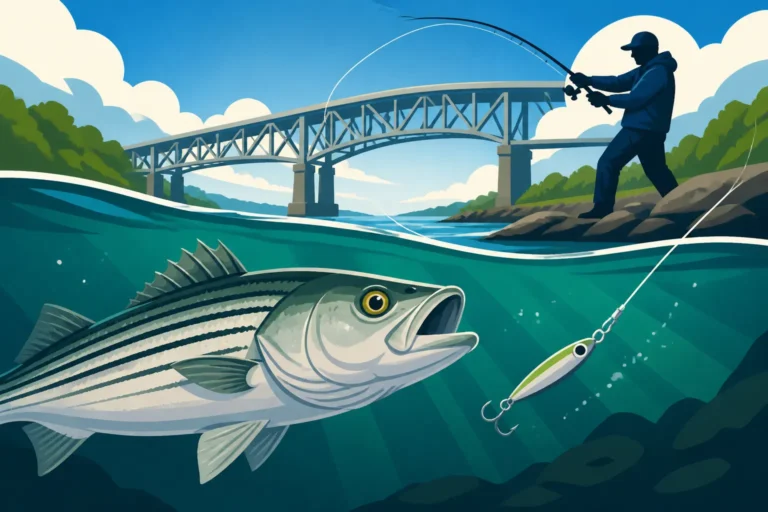
When striped bass arrive in Massachusetts waters
That familiar spring itch, the one that makes you constantly check weather apps and water temperature forecasts, is a sensation every Massachusetts angler knows well. We all anticipate that magical moment when the first striped bass of the season makes its grand appearance. This comprehensive guide will meticulously break down the timing of the striped bass migration into Massachusetts waters, detailing when to expect their arrival, what influences their journey, and how to best prepare for their presence from the initial whispers to the final farewell of the season.
The Grand Migration: Understanding the Striped Bass Annual Journey
Striped bass, scientifically known as Morone saxatilis, embark on an incredible annual migration along the Atlantic coast. This journey is primarily driven by their inherent spawning instincts and an insatiable pursuit of baitfish. They spend the colder months, or overwinter, in the deeper, more temperate waters off the Mid-Atlantic states, with the Chesapeake Bay serving as a particularly vital spawning ground. As the chill of winter recedes and spring ushers in warmer temperatures, these powerful fish begin their northward odyssey, making their way towards the cooler, food-rich waters of the New England coast, including the diverse and productive fishing grounds of Massachusetts.
It’s crucial to understand that this migration isn't a single, synchronized event where all stripers suddenly appear on a given date. Instead, it's a staggered, dynamic progression. Different schools of fish move at their own pace, influenced by a complex interplay of environmental factors such as water temperature, the availability of their preferred prey, and even genetic predispositions. Generally, the younger, smaller "schoolie" stripers tend to lead this charge, arriving earlier in the season. The larger, often coveted trophy-sized bass typically follow once conditions become more stable and there's an abundance of established food sources to sustain their massive appetites. Grasping this nuanced migratory pattern is fundamental to accurately predicting their arrival in your favorite Massachusetts fishing spots.
This journey can span hundreds of miles, a testament to their endurance. Interestingly, individual fish often exhibit a strong homing instinct, returning to the same general areas year after year. For us anglers, this means that while there's a broad, general timetable for their presence, localized conditions in specific Massachusetts locations can significantly alter the exact arrival dates. It's not merely about when any striped bass shows up, but rather when the right sized fish start to consistently appear in numbers that make for worthwhile fishing in your chosen territory.
Why Striped Bass Migrate North
The overarching reason for the striped bass's northward migration is a two-fold quest: the search for cooler, oxygen-rich waters and an abundant, readily available food supply. Following their spawning rituals, which typically conclude in the brackish estuaries of the southern states during spring, adult striped bass enter a post-spawn feeding frenzy. The cooler coastal waters of Massachusetts—encompassing the vast expanse of Cape Cod, the rugged beauty of the North Shore, and our numerous bays and estuaries—become prime hunting grounds. This is where baitfish populations, including river herring, mackerel, and sand eels, become incredibly plentiful, creating a natural buffet for the hungry stripers.
Massachusetts' diverse marine environment offers a veritable feast for these fish, with its rocky coastlines, sprawling sandy beaches, and intricate network of tidal rivers providing ideal habitats for their prey. So, this northward movement isn't solely a temperature-driven escapade; it's fundamentally a strategic follow-the-food mission. As the ocean gradually warms, these crucial baitfish species also move closer to shore and into shallower waters, and the striped bass are invariably right on their tails, creating some truly spectacular fishing opportunities for shore and boat anglers alike.
Furthermore, the migration serves a crucial thermoregulatory purpose. By moving north, striped bass avoid the excessively warm water temperatures that become prevalent in the southern states during the peak of summer. Prolonged exposure to these warmer conditions can be highly stressful and detrimental to their health. Stripers ideally thrive in a comfortable temperature range, typically from the mid-50s to the low 70s Fahrenheit. Once water temperatures in their southern wintering grounds consistently exceed this range, it acts as an unmistakable signal: it's time to head further north to find more comfortable and productive waters.
The Role of Water Temperature and Baitfish
If there's one single, overriding factor that dictates precisely when striped bass arrive in Massachusetts, it is unequivocally water temperature. Dedicated anglers often look for consistent ocean temperatures to reach the high 40s to low 50s Fahrenheit as the initial, critical trigger for the earliest schoolie arrivals. As those temperatures steadily climb into the mid-50s and then into the 60s, a greater number of fish, including larger specimens, will typically follow suit. You can literally track their progression up the coastline by carefully monitoring these specific temperature benchmarks, which are widely reported by marine weather services and local tackle shops.
However, it's not just the temperature; it's also inextricably linked to the availability of baitfish. The annual spring migration of river herring into Massachusetts' freshwater rivers and estuaries to spawn is an incredibly significant harbinger of striped bass. When these silvery baitfish begin their inshore run, the stripers are almost always hot on their heels, eager to capitalize on what amounts to an easily accessible, high-energy meal. This symbiotic relationship is precisely why local fishing reports and angler conversations consistently focus heavily on both water temperatures and the observed movements of bait schools.
Consider it this way: the rising water temperature sets the stage and makes the environment hospitable for the stripers. But the presence of abundant baitfish provides the compelling invitation that makes them stop and stay. If the water is warm enough but there's no readily available food, the stripers might simply pass through. Conversely, if there's a massive concentration of bait but the water remains too cold, they won't settle in to feed. It's a delicate and intricate dance between these two crucial environmental cues—temperature and food—that ultimately determines the exact timing, strength, and duration of the striped bass run in Massachusetts.
Early Arrivals: When to Expect the First Stripers
The very first whisper of striped bass in Massachusetts typically reaches us in late April, often around the third or fourth week, and continues into the nascent days of May. These initial arrivals are almost exclusively comprised of "schoolies"—younger, smaller fish, generally measuring under 28 inches in length. They are the intrepid scouts of the migration, venturing into the estuaries, shallow coves, and tidal rivers where the water warms up more rapidly than in the open ocean.
Key areas that frequently report these early appearances include the sheltered estuaries of the North Shore, the shallower, more protected expanses of Buzzards Bay, and the various harbors that dot the coastline of Cape Cod. These pioneering fish are actively seeking an easy meal after their prolonged journey north, and they arrive just before the main schools of larger baitfish have fully moved inshore. This particular period is an excellent time for anglers to employ light tackle and present smaller lures or baits, as these smaller stripers, while sometimes finicky, offer a thrilling and welcome start to the season.
For many, hooking and landing the first schoolie of the year is a deeply cherished ritual. It's more than just a fish; it's a tangible sign that spring has truly taken hold, and the longer, warmer days of prime fishing are not just on the horizon but rapidly approaching. While you might not be filling your cooler with keeper-sized fish at this stage, the sheer excitement and satisfying bend in the rod from that first striped bass of the season is, for many, absolutely priceless.
The "Schoolie" Invasion: Late April to Early May
As previously mentioned, the initial wave of striped bass that graces our Massachusetts waters is predominantly made up of these "schoolies." These fish typically range in size from about 18 to 28 inches, though it's not uncommon to find a few slightly smaller or larger individuals mixed in with the schools. They arrive in impressive numbers, making for fantastic light-tackle fishing opportunities. After their long migration, they are usually quite ravenous and eager to feed on whatever small baitfish, shrimp, or other crustaceans are available in the newly warmed waters.
Prime locations for this exhilarating early-season action often include the tidewater sections of significant rivers such as the Merrimack, Parker, Ipswich, and even the Charles River in greater Boston. Additionally, the protected bays and harbors found along Cape Cod and the South Shore are hotspots. These areas, being inherently shallower and more sheltered from the open ocean, experience faster and more significant increases in water temperature compared to the deeper, exposed coastal waters. If your goal is to experience that satisfying first tug of a striped bass on your line, these are undoubtedly the places you should be targeting.
During this period, anglers often find success using small soft plastics, lightweight bucktail jigs, or even delicate fly fishing presentations. It's a superb time for wade fishing or exploring by kayak, as these methods allow you to access the skinny water and shallow flats where schoolies love to congregate. Remember, while the fish are hungry, patience is still a virtue – they might be spread out initially, but once you locate a school, the action can become incredibly fast and furious. When fishing these transitional brackish water environments, it's a good idea to refresh your understanding of the distinctions between Massachusetts Freshwater vs Saltwater License Differences to ensure you are properly licensed for the specific waters you're targeting.
Tracking Early Movements and Hotspots
Staying consistently informed is an absolutely crucial strategy for successfully intercepting these earliest fish. Online fishing forums, local bait and tackle shops, and specialized fishing reports are invaluable resources that provide real-time intelligence. Many experienced anglers meticulously track water temperatures, often utilizing personal portable thermometers or consulting various online marine data sources. When the water temperatures in a particular area consistently hit that magical 48-52°F mark, it serves as a strong indicator that schoolies are either already present or are incredibly close to arriving.
It's also beneficial to pay close attention to the presence and movements of other migratory species. The return of ospreys to their coastal nests, the first sightings of various migratory waterfowl, or the visible presence of small baitfish darting in the shallows can all act as subtle but powerful environmental cues that signal the impending arrival of striped bass. It's truly about learning to "read" the nuanced signs of spring manifesting in the coastal environment around us.
Local bait and tackle shops, such as those found in bustling fishing communities like Falmouth on Cape Cod or Newburyport on the North Shore, are frequently the very best sources of hyper-local, real-time information. The dedicated folks who work in these shops live and breathe fishing; they hear all the chatter, see the first fish, and are often the first to know what's biting where. They can provide precise details on which rivers or coves have experienced the initial activity and, crucially, what specific lures or baits are currently proving most effective. Never underestimate the immense value of a friendly, in-person chat with a knowledgeable local expert!
Peak Season: The Summer Striped Bass Bonanza
As May gradually transitions into the glorious months of June and July, Massachusetts experiences the full force of the striped bass migration. This is the period when the larger, more mature fish—affectionately referred to by anglers as "cows" or "liners"—arrive in substantial numbers, closely following massive schools of baitfish that have also completed their northward journey. Water temperatures during this time typically stabilize within the ideal range of the mid-50s to low 70s Fahrenheit, creating absolutely perfect conditions for both aggressive feeding by the stripers and productive fishing by us.
During the height of summer, virtually the entire Massachusetts coastline transforms into a vibrant hotspot. From the legendary rip tides and fast currents of the Cape Cod Canal to the rugged, rocky shores of Cape Ann, and the expansive, sandy beaches of Plum Island, striped bass can be found almost everywhere imaginable. This is, without a doubt, the prime window when anglers have their best chance at landing a truly trophy-sized fish, and the sheer volume of stripers present makes for incredibly consistent and exciting action day after day.
This peak season also sees a wide array of fishing methods employed in full swing. Whether you prefer the solitude of surfcasting, the versatility of boat fishing, the strategic approach of trolling, the excitement of live lining, or the artistry of fly fishing, there's a technique that will prove effective. The sheer abundance of food sources during this time means stripers are actively and aggressively hunting, making them significantly more receptive to a diverse range of presentations. Many seasoned anglers consider June and early July to be the absolute zenith, offering the finest opportunities for targeting substantial striped bass in Massachusetts waters.
June and July: The Best Months for Big Fish
While the early-season schoolie action is undeniably fun and a welcome sign of spring, June and July are the months that truly stir the dreams of most serious striped bass anglers in Massachusetts. This is when the largest, most impressive fish of the migratory class are present in our waters. Having recovered from the rigors of spawning, they are now actively and aggressively feeding to rapidly build up their energy reserves for the colder months ahead. During this period, these larger stripers will often key in on bigger, more substantial baitfish species such as mackerel, pogies (menhaden), and squid, making the use of live bait an exceptionally effective and often preferred tactic.
During these prime summer months, the focus for anglers shifts significantly towards areas characterized by strong currents and an undeniable abundance of baitfish. The Cape Cod Canal, with its legendary currents and its unique geographic function as a fish-funneling corridor, becomes an absolute magnet for both stripers and the anglers pursuing them. Additionally, offshore reefs, prominent rocky outcroppings, and deeper channels also consistently hold significant numbers of larger stripers. For those keenly interested in honing their skills and learning the best tactics, delving into comprehensive guides like How to Catch Striped Bass in Massachusetts will prove incredibly beneficial during these peak months.
Many anglers during June and July frequently turn to methods like chunking or live-lining fresh mackerel or menhaden. The presence of these crucial bait schools can often be identified by observing diving birds or areas of nervous, disturbed water, which reliably indicate that stripers are actively feeding just below the surface. It's imperative to gear up appropriately for these larger, more powerful fish; a robust medium-heavy to heavy action rod paired with a high-quality, reliable reel boasting a smooth drag system is absolutely essential. Reputable brands like Shimano and Penn offer an excellent selection of durable, performance-oriented gear perfectly suited for this kind of demanding fishing, and many of these products are conveniently available for purchase on Amazon.
Localized Concentrations and Feeding Patterns
Even within the peak of the summer season, it's important to recognize that striped bass won't be uniformly distributed along the entire coastline. Instead, they will concentrate their numbers precisely where food is most abundant, accessible, and easily ambushed. This means actively looking for areas where baitfish are naturally trapped or funneled, such as around prominent jetties, tidal inlets, or within strong current rips and turbulent water. Tides play an incredibly significant role during this period; fishing during the incoming or outgoing tide, especially around the critical slack water periods or during the peak of the moving current, can be exceptionally productive.
While dawn and dusk remain classic, highly effective prime times for targeting stripers, during the warmth of summer, night fishing for striped bass becomes an incredibly effective strategy, particularly for targeting the larger, more elusive fish. Under the concealing cloak of darkness, big stripers frequently move into shallower waters and closer to the shore, making them much more accessible to surfcasters who might struggle to reach them during daylight hours. Large swimming plugs, live eels, and generously sized soft plastics are among the top lure and bait choices for these nocturnal predators.
Furthermore, different geographical areas within Massachusetts will often have distinct primary food sources that the stripers are keying in on. For example, in Boston Harbor, the dominant bait might be river herring and mackerel, while in the expansive waters of Buzzards Bay, squid or scup could be the primary forage that stripers are targeting. The ability to adapt your lure or bait choice to closely mimic the prevalent local forage is a crucial skill and often a determining factor for consistent success.
The Fall Run: Saying Goodbye to Stripers
As late summer gracefully transitions into the crisp days of early fall, typically from late August through the end of October, Massachusetts experiences one of its most anticipated and spectacular fishing events: the "fall run." This is a truly remarkable phenomenon as vast numbers of striped bass begin their southward migration, heading back towards their overwintering grounds. Much like their enthusiastic spring arrival, this southward movement is powerfully driven by falling water temperatures and an instinctual urge to feed heavily, building up crucial fat reserves for their long journey and the leaner months ahead.
The fall run can often be even more intense and action-packed than the spring run. Anglers frequently encounter massive schools of stripers, often a diverse mix of sizes, aggressively feeding on the huge schools of baitfish that are also migrating south or being flushed out of estuaries. River herring, mackerel, sand eels, and particularly large schools of peanut bunker (juvenile menhaden) are pushed along the coast, creating widespread, frenzied feeding activity that can last for weeks. It's a bittersweet period for dedicated anglers, as it marks the impending end of the season but consistently provides some of the most memorable and exciting fishing experiences of the entire year.
For many, the fall run offers a cherished last chance to connect with these powerful and iconic fish before the Massachusetts coast largely quiets down for the winter. While the autumn weather can be more unpredictable, often bringing colder temperatures and stronger winds, the fishing can be absolutely phenomenal. During these weeks, it often feels like stripers are present everywhere, relentlessly gorging themselves in preparation for their long journey south.
Late Summer to Early Fall Migration South
The initial indications of the fall migration typically surface in late August. At this time, schoolies and mid-sized fish begin to gather and show signs of preparing for their southward journey. By September and October, the larger, mature bass join this grand procession. It’s important to note that this isn't a frantic, non-stop race; individual fish and schools will often linger in specific areas where food remains exceptionally abundant, moving opportunistically from one bait school to the next as they build energy.
During this period, the expansive outer beaches of Cape Cod, the iconic Plum Island, and the rich coastal waters surrounding Nantucket and Martha's Vineyard become major thoroughfares for these migrating fish. They frequently feed very close to the shoreline, creating incredible opportunities for surfcasters. If you're looking to capitalize on the dynamic action that the fall run offers, brushing up on Massachusetts Surf Fishing Techniques will undoubtedly enhance your chances of success, as stripers actively hug the coast in pursuit of bait.
Never underestimate the potential impact of a strong nor'easter during the fall. While fishing during such a storm can be incredibly challenging and even hazardous, the conditions that follow can often see massive amounts of baitfish pushed close to shore. This scenario frequently leads to dramatic concentrations of striped bass, creating what can only be described as epic, fast-paced fishing. It's often a high-risk, high-reward situation that can pay off handsomely for the most hardy and prepared angler.
Peak Fall Feeding Frenzy and Final Departures
The true peak of the fall run often occurs from mid-September through early October, with the exact timing largely dependent on the prevailing water temperatures. During this exhilarating period, you can expect widespread action, frequently witnessing spectacular surface blitzes where large schools of stripers attack baitfish from below, driving them to the surface. The sight of diving birds and boiling water, indicative of fish busting bait, is a common and incredibly exhilarating spectacle.
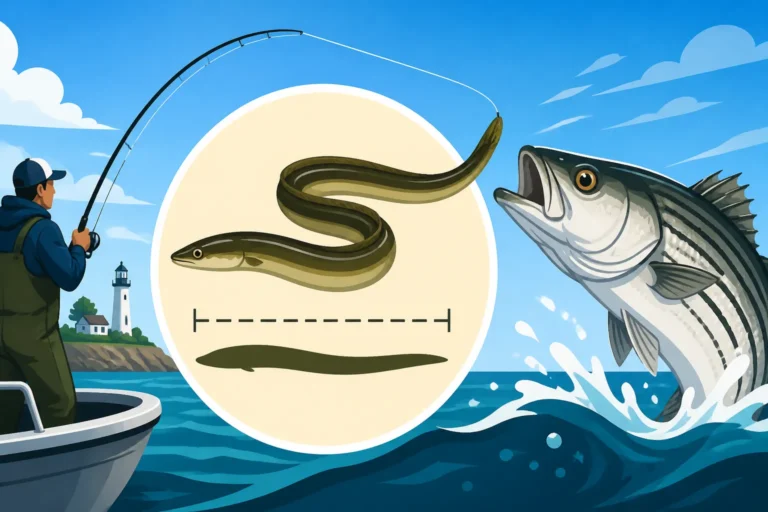
Anglers during the fall run will find success employing a wide variety of methods. Casting swimming plugs, noisy poppers, versatile soft plastics, and even elegantly tied flies into the midst of the feeding mayhem can all be highly effective. Live eels also remain an incredibly potent bait choice at this time, particularly for larger fish, especially when fished at night or in areas with strong current. It's a time for adaptability; being flexible and willing to try different approaches is key, as the feeding patterns and preferred forage of the stripers can change rapidly throughout the day.
By late October and extending into early November, as water temperatures consistently drop into the low 50s and eventually into the 40s, the vast majority of striped bass will have departed Massachusetts waters, continuing their journey south. While a few stubborn stragglers might remain in deeper holes, around warmer water discharges, or in very protected estuaries, for all practical intents and purposes, the Massachusetts striped bass season draws to a close. The final days of the run are often characterized by colder temperatures and blustery winds, making those last dedicated casts a true testament to an angler's unwavering passion and commitment.
Factors Influencing Arrival Times and Season Length
While we can establish general guidelines and historical averages for when striped bass arrive and depart the waters of Massachusetts, it's an undeniable truth that Mother Nature ultimately has the final say. Several critical environmental factors can significantly shift the timing of the migration, sometimes by as much as a few weeks. This annual variability can be incredibly frustrating for eager anglers who rely on predictable patterns. However, by understanding these underlying nuances, you can develop a more informed perspective and potentially anticipate a more successful fishing season.
Beyond the well-known influences of water temperature and bait availability, broader climate patterns, dominant ocean currents, and even the subtle complexities of individual fish genetics all play a significant role in dictating migration patterns. It's rarely a single, isolated factor at play; rather, it's a complex and dynamic interplay of multiple forces that collectively determine the precise movements of these powerful game fish along our extensive coastline. This inherent variability is precisely what makes striped bass fishing so endlessly engaging and challenging – it demands constant observation, adaptation, and keeps us all on our toes!
Keeping a close eye on long-range weather forecasts and consulting reputable marine prediction models can certainly give you an initial advantage. However, ultimately, there's no substitute for "boots on the ground" (or a boat in the water) and connecting with hyper-local reports from fellow anglers and tackle shops. These real-time observations are your best bet for the most accurate and up-to-date information regarding current conditions and fish movements.
Annual Variability and Climate Change Impacts
Every single year presents a unique set of conditions, leading to noticeable annual variability in the striped bass migration. A mild winter followed by an unseasonably warm and early spring can mean that striped bass arrive much earlier, sometimes as much as two weeks ahead of the typical schedule. Conversely, a prolonged period of cold weather extending late into spring can significantly delay their arrival. This inherent annual variability is something that experienced anglers learn to anticipate, adapt to, and even embrace as part of the challenge. You simply cannot set your fishing calendar by rigid, fixed dates alone.
Furthermore, there is a growing and legitimate concern among scientists and anglers alike regarding the long-term impacts of climate change on these crucial migration patterns. Persistently warmer ocean temperatures could potentially shift the entire migration timeline, altering both when the fish arrive and how long they choose to remain in our waters. While the scientific research in this area is continually evolving, many anecdotal reports from seasoned anglers suggest they are indeed observing earlier spring arrivals and later fall departures in recent years. This evolving dynamic is a critical consideration when you're looking to understand the full scope of Massachusetts Fishing Seasons Explained.
It's worth noting that these shifts aren't necessarily always detrimental to fishing; in some years, a longer season can be a fantastic bonus for anglers. However, they do undeniably disrupt established historical patterns, making it more challenging to accurately predict the absolute best times and places to fish without vigilant, consistent monitoring of current environmental conditions. It's a continuous learning process for all of us who pursue these magnificent fish.
The Importance of River Herring Runs
The spring migration of river herring, which includes both alewives and blueback herring, into Massachusetts' freshwater rivers and estuaries is an incredibly powerful and reliable signal for the imminent arrival of striped bass. These small, nutrient-rich baitfish represent a high-calorie meal, and stripers will instinctively follow them into estuaries and upstream into rivers specifically to gorge themselves. When you begin to hear widespread reports of strong, healthy herring runs, you can be reasonably certain that striped bass are not far behind, making their way to capitalize on this abundant food source.
Iconic herring runs in historically significant locations, such as the Monument River (which empties into the Cape Cod Canal), the Nemasket River, and numerous smaller streams and waterways along both the North and South Shores, act as undeniable magnets for early-season stripers. The vigorous protection and careful management of these vital herring runs are absolutely critical, not only for the long-term health and sustainability of the herring populations themselves but for the entire coastal ecosystem, which profoundly includes the highly valued striped bass fishery.
Understanding the timing and location of these local herring movements can dramatically improve your early-season fishing success. Strategically fishing near the mouths of these rivers or in areas where herring are naturally bottlenecked by topography or current can be incredibly productive. Furthermore, you can often find valuable maps and detailed information on herring run timings through official state environmental agencies like the Massachusetts Division of Marine Fisheries.
Preparing for the Massachusetts Striped Bass Season
Given the widespread anticipation for the striped bass season in Massachusetts, it is undeniably wise to initiate your preparation long before the first schoolies even begin to show up. Having all of your essential gear meticulously ready, possessing a comprehensive understanding of the latest regulations, and having a good grasp of where to focus your efforts can make an enormous difference between a frustrating search and a truly successful and enjoyable outing. When it comes to pursuing migratory species like striped bass, proactive preparation is quite literally half the battle.
Do not make the common mistake of waiting until you hear the very first fishing reports to get your act together. Instead, utilize the quieter, off-season months of winter and early spring to methodically get all of your tackle in pristine order. This means carefully cleaning and lubricating your reels, stripping off old line and spooling fresh, strong line onto them, and thoroughly organizing your lure boxes. This proactive and diligent approach ensures that you are fully ready and equipped to hit the water as soon as conditions become favorable, maximizing your time and opportunities when the fish arrive.
Being prepared also encompasses staying thoroughly informed. This means regularly reading up on the latest fishing regulations, developing a clear understanding of the often-changing slot limits, and diligently practicing the best techniques for catch and release to minimize stress on the fish. All of these elements are integral components of being a responsible and ethical angler in Massachusetts, contributing to the health and sustainability of this cherished fishery.
Essential Gear and Tackle Check
Before the striped bass season officially kicks off, it is absolutely imperative to give all of your fishing gear a comprehensive and meticulous inspection. Begin by cleaning and greasing your reels, ensuring that their drag systems are functioning perfectly smoothly and reliably. It's also critical to strip off old line and spool fresh, new line onto all of your reels; old monofilament can become brittle and weaken over time, and even braided line can become compromised with nicks and wear. For serious surfcasters, investing in a high-quality, durable surf rod and a properly sealed, saltwater-resistant reel is paramount for longevity and performance in harsh conditions.
Next, thoroughly inspect all of your lures and terminal tackle. This involves replacing any hooks that show signs of rust, sharpening any dull hooks to ensure solid hook sets, and verifying that all of your leader material is in excellent, unfrayed condition. Having a diverse selection of bucktails, soft plastics, swimming plugs, and topwater lures is always a wise strategy for targeting Massachusetts stripers, allowing you to adapt to various conditions and mimic different bait types effectively. You can easily find an extensive array of these crucial fishing items, ranging from basic hooks to advanced fish-finding sonar systems, through convenient online retailers like Amazon.
Finally, don't overlook the other essential items beyond your rod and reel. This includes a sturdy pair of pliers specifically designed for hook removal, a reliable headlamp for safe and effective night fishing, a clear and accurate measuring tape to ensure any kept catch meets the current Massachusetts Striped Bass Slot Limit Explained, and appropriate layered attire for the often unpredictable weather conditions encountered along our coast. It's also a smart idea to have a clean cooler readily available if you plan on retaining any fish within the legal bag limits.
Understanding Regulations and Licensing
Massachusetts maintains specific and often dynamic regulations pertaining to striped bass, which include size limits (frequently a slot limit, meaning fish must fall within a particular length range to be legally kept) and bag limits (specifying how many fish an individual angler can keep per day). These critical rules can and do change annually based on scientific assessment and conservation goals, so it is absolutely vital to consult the most current and official Massachusetts Division of Marine Fisheries (DMF) regulations before you head out for any fishing activity.
In addition to understanding the fish-specific rules, you'll also need to ensure you possess the proper licensing. For most saltwater fishing endeavors in Massachusetts, even when fishing from shore, the majority of anglers are required to hold a Massachusetts Saltwater Recreational Fishing Permit. If your fishing plans include freshwater estuaries or designated freshwater bodies, you might also need to acquire a Massachusetts Freshwater Fishing License. Understanding the precise distinction between these two types of licenses is key to avoiding legal issues, and both permits can typically be purchased or renewed conveniently online through the state's MassFishHunt system. A comprehensive resource like the Massachusetts Fishing License Guide can provide further clarification on these requirements.
Being a responsible and ethical angler means not only having a thorough knowledge of these regulations but also rigorously adhering to them. This responsible behavior is fundamental to helping conserve the vital striped bass population for future generations of anglers and ensures the overall health and sustainability of our precious marine ecosystems. Ignorance of the law is never considered a valid excuse, so always take the necessary time to carefully read and understand the official guides and regulations published by the state.
| Season | Typical Arrival/Presence | Average Water Temperature Range (Fahrenheit) | Primary Baitfish | Common Striper Size | Key Fishing Locations |
|---|---|---|---|---|---|
| Early Spring | Late April – Early May | 48° – 55° | Small baitfish, river herring | Schoolies (18-28 inches) | Estuaries, tidal rivers, shallow bays |
| Peak Summer | Late May – Mid-August | 58° – 72° | Mackerel, menhaden, squid | All sizes, including large cows | Cape Cod Canal, outer beaches, offshore reefs |
| Fall Run | Late August – Late October | 68° – 50° | Migratory bait (herring, bunker, sand eels) | All sizes, often aggressively feeding | Outer beaches, inlets, rocky points, offshore |
| Winter | November – March | Below 48° | N/A (Fish have migrated south) | N/A | Deeper offshore waters (southern states) |
Disclaimer
The information provided in this guide is for general informational purposes only and does not constitute legal advice regarding fishing regulations. Massachusetts fishing regulations, including licensing, bag limits, and size restrictions, are subject to change by the Massachusetts Division of Marine Fisheries (DMF). Always consult the most current official DMF regulations before engaging in any fishing activity. It is the angler's responsibility to understand and adhere to all applicable laws and regulations.