How to surf cast on Cape Cod beaches
There’s nothing quite like the allure of Cape Cod, especially when you’re dreaming of standing on one of its legendary beaches, feeling the salty air, and casting your line into the vast Atlantic. But if you’re new to surf casting here, or even if you’ve tried it a few times without much luck, it can feel incredibly daunting. The sheer length of the coastline, the various regulations, and the question of what gear you actually need can feel like trying to solve a puzzle with a thousand pieces. Well, don't you worry, because this guide is designed to cut through that confusion and give you the straightforward, actionable advice you need to confidently surf cast on Cape Cod beaches and start landing some incredible fish.
Gearing Up for Cape Cod Surf Casting
Before you even think about stepping foot on the sand, you need to make sure you have the right tools for the job. Cape Cod’s surf can be powerful, and the fish can be formidable, so a backyard pond setup just won't cut it. This isn't about buying the most expensive gear, but rather the appropriate gear that will stand up to the elements and give you the best chance of success.
Choosing the Right Rod and Reel Setup
When it comes to surf casting on Cape Cod, your rod and reel are your primary weapons. You'll want a setup that can handle long casts, strong currents, and potentially large, hard-fighting fish like striped bass or bluefish. Think sturdy, durable, and reliable.
For rods, most experienced surfcasters on Cape Cod opt for something in the 9 to 12-foot range. A longer rod provides the leverage needed to cast heavier lures or bait rigs a significant distance, getting your offering out past the breaking waves where the fish often feed. You'll want a medium-heavy to heavy action rod with a fast or moderate-fast taper. This combination gives you enough backbone to fight a big fish but still has enough flexibility in the tip to detect subtle bites. Imagine trying to cast a heavy metal lure with a flimsy trout rod – it just wouldn't work, and you'd likely snap your rod or injure yourself. The right rod makes all the difference in achieving those satisfying, far-reaching casts.
As for reels, a robust spinning reel in the 5000 to 8000 series is usually the sweet spot. Given the constant exposure to saltwater and sand, investing in a sealed, saltwater-resistant reel is a smart move. Sand and salt are brutal on internal components, and a well-sealed reel will last you many seasons, saving you headaches and repair costs down the line. Look for models with a high line capacity and a smooth, reliable drag system, as you’ll need every bit of that drag to tame a powerful striper. Finding the right rod and reel can be a journey, but many anglers start by browsing trusted online retailers like Amazon, which offers a wide array of options and customer reviews to help you make an informed choice. When in doubt, lean towards slightly heavier gear; it’s better to be over-gunned than under-gunned when a big fish decides to play.
When spooling your reel, braided line is a popular choice for surf casting due to its thin diameter, incredible strength, and lack of stretch, which enhances sensitivity and casting distance. A 30 to 50-pound test braided line is common. You'll then want to attach a fluorocarbon or monofilament leader, typically 3 to 6 feet long, using a strong knot like an FG knot or an Albright knot. The leader provides abrasion resistance against sharp rocks and rough fish mouths, and its lower visibility can be crucial in clearer waters. Generally, a 40 to 60-pound test leader works well for striped bass and bluefish. Remember, a properly tied knot is often the weakest link in your setup, so practice until you're confident in your connections!
Essential Terminal Tackle and Baits
Once your rod and reel are ready, it's time to talk about what goes on the business end of your line. Terminal tackle refers to all the bits and bobs at the end of your fishing line, and having a good assortment is key to adapting to different conditions and fish preferences.
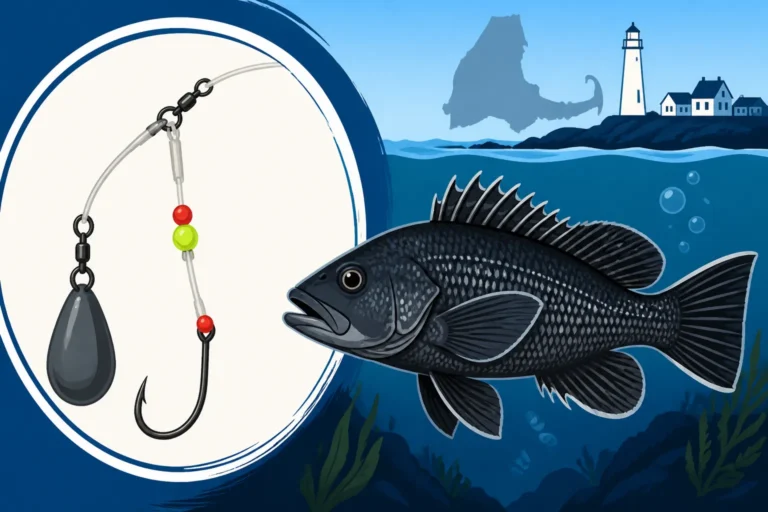
For bait fishing, you’ll primarily be using circle hooks, especially if you’re targeting striped bass. Circle hooks are designed to hook the fish in the corner of the mouth, which greatly increases the survival rate of released fish. Sizes from 5/0 to 9/0 are typical, depending on your bait size. If you're using lures, you’ll find that many come with treble hooks, but some anglers prefer to swap these out for single hooks to make de-hooking easier and safer for both the fish and themselves. When fishing with bait, you'll need various sinkers to hold your offering in place against the waves and current. Pyramid sinkers are excellent for sandy bottoms where they dig in and resist movement, while Sputnik sinkers (also known as "spider sinkers") have wire arms that splay out, providing even better grip in strong currents. Bank sinkers or egg sinkers are good for drifting baits in calmer conditions or for a more natural presentation. Always carry a range of weights, from 2 to 6 ounces, as conditions on the beach can change rapidly.
Table of Common Baits and Lures for Cape Cod Surf Casting
| Bait Type | Lure Type | Target Species | Typical Conditions |
|---|---|---|---|
| Fresh Clam | Poppers | Striped Bass, Bluefish | Moving water, sandy bottoms, daytime |
| Sea Worms | Pencil Poppers | Striped Bass, Fluke | Calm to moderate surf, dawn/dusk, night |
| Mackerel Chunks | Swim Shads | Striped Bass, Bluefish | Moderate to heavy surf, rips, any time of day |
| Bunker Chunks/Live | Metal Jigs | Striped Bass, Bluefish | Fast current, deep water, offshore bait schools |
| Eels | Bucktail Jigs | Striped Bass | Night fishing, strong currents, rocky areas |
Beyond hooks and sinkers, don't forget sturdy swivels and snaps. Swivels prevent line twist, especially when using spinning lures or in strong currents, and snaps allow for quick changes of lures or rigs. A simple snap swivel is a workhorse in many surf casting scenarios. Now, onto the fun part: bait and lures! For bait fishing, fresh clams are a perennial favorite on Cape Cod, particularly for striped bass. Sea worms, mackerel, and chunks of menhaden (bunker) are also highly effective. For lure fishing, the options are vast. Poppers and pencil poppers are fantastic for exciting topwater action, especially at dawn or dusk when stripers and bluefish are actively feeding on the surface. Soft plastic swim shads, often weighted, are incredibly versatile for imitating baitfish just below the surface. Metal jigs and bucktails are excellent for reaching distant fish and cutting through windy conditions. Having a variety lets you adapt to what the fish are biting on that day.
Beyond the Basics: Waders, Pliers, and More
Surf casting isn't just about the rod and reel; it's an immersive experience that requires a few other crucial items for comfort, safety, and efficiency. Trust me, nothing ruins a fishing trip faster than being cold, wet, or unable to remove a hook from a toothy bluefish.
First up: waders. A good pair of breathable chest waders is practically non-negotiable for serious surf casting on Cape Cod. They allow you to wade out past the immediate wash, giving you extra casting distance and access to deeper troughs closer to shore. Breathable waders are comfortable even on warmer days, wicking away sweat, while neoprene waders are better for colder weather. Make sure they fit well and are paired with studded boots or boots with good traction, as the rocks and sand on some beaches can be incredibly slippery. You’ll be thankful for them when you’re standing in the chilly water before sunrise. You can find reliable waders and boots on Amazon from reputable brands, making it easy to compare features and read reviews before committing.
Next, a sturdy pair of fishing pliers. These aren't your household pliers. You need heavy-duty, corrosion-resistant pliers with a strong jaw for removing hooks, cutting line, and bending wire. Saltwater rapidly degrades standard tools, so look for stainless steel or aluminum options. You’ll also want a reliable headlamp for those essential dawn, dusk, or night fishing sessions. It keeps your hands free for tying knots or baiting hooks. Other essentials include sand spikes (PVC or aluminum tubes that hold your rod upright in the sand), a cooler for keeping bait fresh and your catch cold, a cutting board and sharp knife for bait preparation, and a comfortable fishing backpack or surf bag to carry all your terminal tackle and lures. A surf bag, specifically designed for beach anglers, usually has compartments for lures, a pouch for a leader spool, and often a drain to let water escape. It keeps your gear organized and accessible as you walk the beach.
Mastering the Art of Casting from Shore
Now that you're geared up, let's talk technique. Surf casting isn’t just about heaving your line as far as you can. It’s an art form that combines skill, observation, and an understanding of the environment. Don't be discouraged if your first few casts aren't perfect; practice makes progress, and every veteran surf caster started somewhere.
Basic Casting Techniques for Distance
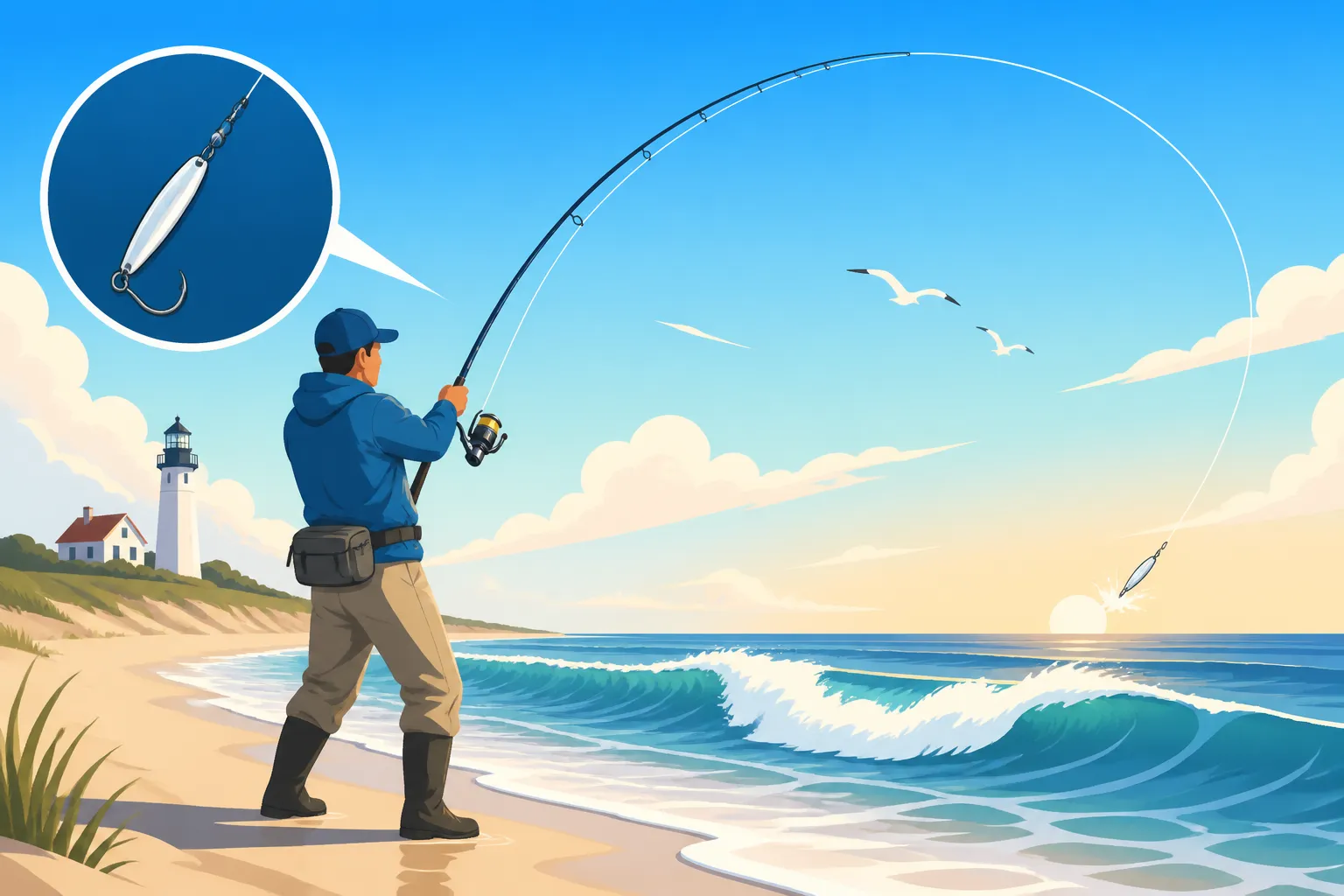
Achieving good distance and accuracy with your casts is paramount in surf fishing, as it often means reaching productive water that's inaccessible from the dry sand. The most common and foundational cast for surf fishing is the overhead cast. This cast involves loading the rod by bringing it back over your shoulder, then smoothly driving it forward, releasing the line at the optimal point (usually around the 10 or 11 o'clock position) to send your bait or lure soaring. The key here is a smooth, continuous motion, using your entire body, not just your arms. Think of it like cracking a whip, where the power comes from your core and legs, transferring energy through the rod.
For those looking to maximize distance, especially with heavier rigs, the pendulum cast is a more advanced technique. It involves swinging your weight in a pendulum motion before the forward thrust, generating immense power. However, it takes a lot of practice to master safely and effectively, so I always recommend perfecting your overhead cast first. Regardless of the technique, focus on a few core principles: a firm grip on the rod, a smooth transfer of weight from your back foot to your front foot during the forward swing, and a consistent release point. Many common frustrations, like your lure landing just short of the break, or your line getting tangled (a "bird's nest" or "wind knot"), often stem from an inconsistent release or trying to muscle the cast with just your arms. Start with lighter weights and practice in an open field, away from other people or power lines, until you build muscle memory. Once you're comfortable, then graduate to the beach!
Reading the Beach: Where the Fish Hide
One of the biggest secrets to successful surf casting isn't just how far you can cast, but where you cast. Cape Cod beaches are dynamic environments, constantly reshaped by tides and storms, creating subtle (and not-so-subtle) features that attract fish. Learning to "read the beach" is an acquired skill, but one that will drastically improve your catch rate.
Striped bass and bluefish are opportunistic predators, always looking for easy meals. They'll congregate in areas where baitfish are trapped, currents concentrate food, or where they can ambush prey from cover. Look for signs of structure in the water:
- Rips and Currents: These are areas where water flows quickly, often around points or shoals. They concentrate baitfish and disorient them, making them easy targets for predatory fish.
- Troughs: These are deeper channels that run parallel to the shore, often just beyond the breaking waves. Fish use these as highways to move along the beach and feed in relative comfort. You can spot them by looking for darker water that doesn't break as much as the shallower sandbars.
- Sandbars: These are elevated areas of sand. Fish will often feed in the deeper water just inside or outside a sandbar, especially where the water drops off.
- Cuts and Inlets: These are breaks in sandbars or shallow areas where water rushes in or out with the tide. They act like funnels for bait and predators.
Beyond visible structure, pay attention to the environment. Are there diving birds working an area? That’s a sure sign of baitfish near the surface, and where there's bait, there are usually stripers and bluefish. Look for nervous water or actual baitfish jumping out of the water. Sometimes, a subtle change in wave action, or a darker patch of water, can indicate a deeper spot. Take your time when you arrive at a new beach; observe the waves, the currents, and any signs of life before making your first cast. This observational period is often more important than any specific lure choice.
Tides and Time: Maximizing Your Chances
The ocean is governed by the moon, and nowhere is that more apparent than in surf casting. Understanding the tides and fishing at the right time can be the difference between a memorable day and a frustrating blank. On Cape Cod, the moving water associated with tidal changes is almost always better for fishing than slack tide.
For striped bass, the incoming and outgoing tides are generally the most productive. As the tide moves, it stirs up the bottom, dislodges bait, and creates currents that concentrate food. Many anglers swear by the last two hours of the incoming tide and the first two hours of the outgoing tide, especially around points, rips, or inlets where bait might be funneled. During these periods, stripers often move closer to shore to feed in the churned-up water. Bluefish, being aggressive feeders, can be a bit less picky about the exact stage of the tide, but they will certainly take advantage of moving water that concentrates bait. You can easily find local tide charts online or at bait shops, and it’s critical to check them before you head out. Don't just look at the high and low tide times, but also consider the strength of the tide; stronger tides can often mean more active fish.
Beyond the tides, the time of day plays a huge role. Dawn and dusk are universally recognized as prime fishing times. The low light conditions make predators feel safer to hunt, and many baitfish are more active during these periods. Night fishing is also incredibly effective for striped bass, particularly for larger fish. Under the cover of darkness, big stripers will move into shallower water, often right at your feet, to hunt. If you're going to fish at night, make sure you're extra cautious about your footing, have a reliable headlamp, and know the beach layout well. Early morning, as the sun barely cracks the horizon, can be magical – the air is cool, the beach is quiet, and the fish are often on the prowl.
Strategic Surf Casting on Cape Cod Beaches
Now let's put it all together and talk strategy. Surf casting on Cape Cod means primarily targeting two magnificent species: striped bass and bluefish. While they often occupy the same waters, their feeding behaviors and preferred presentations can differ.
Targeting Striped Bass and Bluefish
Striped bass, often called "stripers," are the kings of the Cape Cod surf. They are powerful, cunning, and will readily take a variety of baits and lures. When targeting stripers, particularly larger ones, you often need to consider where they might be staging. They love structure, whether it’s a rocky outcrop, a deeper trough, or a rip current. Slower presentations are often effective, especially with bait. If you're using bait like fresh clam or mackerel chunks, cast it out, let it settle on the bottom with a pyramid sinker, and wait. Stripers will often pick up the scent and investigate. With lures, soft plastic swim shads, rigged with a weighted hook, retrieved slowly just above the bottom, can be incredibly effective. At night, live eels are a legendary striper bait, fished slowly or allowed to drift naturally in the current. Remember to always be aware of the Massachusetts Striped Bass Slot Limit Explained to ensure you're compliant with regulations. It’s important for conservation and keeping this fishery healthy.
Bluefish, on the other hand, are the aggressive, toothy bullies of the surf. They often travel in schools and will violently attack lures and bait. When bluefish are around, the action can be fast and furious. They are less shy than stripers and will readily hit topwater poppers and pencil poppers with explosive strikes. Metal jigs, retrieved quickly, are also highly effective, especially when bluefish are busting on schools of baitfish. Their sharp teeth mean you might want to consider a short, heavy monofilament or fluorocarbon leader to prevent bite-offs, though many anglers accept the risk for the sake of presentation. While bluefish are a blast to catch, be mindful of the Massachusetts Bluefish Bag Limit and Season to ensure sustainable fishing practices. They put up a fantastic fight, and landing one on a popper at sunrise is an experience you won't soon forget.
Popular Cape Cod Surf Fishing Hotspots
Cape Cod boasts an incredible array of beaches, each with its unique character and fishing potential. While you can catch fish almost anywhere, some spots have earned legendary status among surfcasters.
The Outer Cape beaches are famous for their vast stretches of sand and powerful surf, particularly during the striped bass fall run. Beaches like Nauset Beach in Orleans, Marconi Beach in Wellfleet, and Head of the Meadow Beach in Truro offer miles of fishable water. These areas are known for their sandbars, troughs, and rips, which create excellent feeding grounds. During the spring and fall migrations, these beaches can be absolutely teeming with stripers and bluefish. It’s crucial to understand beach access here, as some areas may require specific permits for parking or oversand vehicle access. You can find more detailed information in our Best Surf Fishing Beaches on Cape Cod guide.
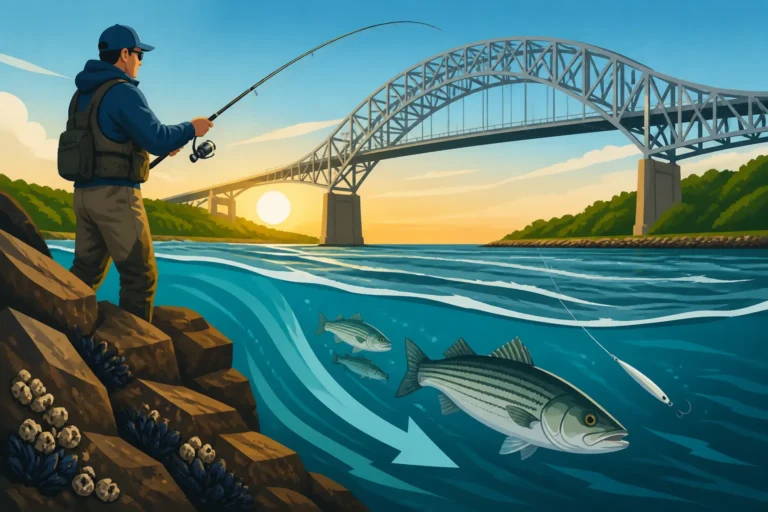
While technically not a beach, the Cape Cod Canal is another iconic surf casting destination, though it comes with its own set of challenges. The Canal's incredibly strong currents make for a unique fishing experience, demanding heavier gear and specific jigging techniques. It’s less about traditional surf casting and more about targeting fish in a fast-moving river, but it's a prime spot for trophy stripers. If you're considering the Canal, our Cape Cod Canal Fishing Guide for Massachusetts Anglers has all the details you’ll need. Then there are the Nantucket Sound beaches on the Cape's south side, like South Cape Beach in Mashpee or Craigville Beach in Centerville. These waters are generally calmer, offering great opportunities for families or those who prefer less intense surf. While they might not yield as many "trophy" stripers as the Outer Cape, they are excellent for catching schoolie stripers, bluefish, and even fluke, especially during the summer months. Each beach offers something different, so exploring is part of the adventure.
Adapting to Conditions: Wind, Waves, and Weather
The weather on Cape Cod can be fickle, and a successful surf caster learns to adapt to changing conditions. What might be perfect one day could be impossible the next.
Wind is a major factor. A strong headwind can make casting nearly impossible, reducing your distance dramatically and making lure presentation difficult. In these conditions, heavier lures like metal jigs or bucktails might be your best bet, as they cut through the wind better. A crosswind can create line belly, making it hard to feel bites and control your lure. Conversely, a tailwind can be your best friend, adding significant distance to your casts. Always check the wind forecast before heading out, and consider how it will affect your chosen spot. Sometimes, simply moving to a different beach that is more sheltered or has the wind at your back can make all the difference.
Wave height and current strength also dictate your approach. On calm days, lighter lures and baits can be presented more naturally. When the surf is heavy, fish often move closer to shore to feed in the turbulent water, and this is when heavier sinkers and robust lures are essential. Don't be afraid to cast into the whitewater; many fish feed actively in the wash. However, heavy surf can also be dangerous, so always prioritize your safety. As for weather, sunny days are great, but don't overlook overcast or rainy days. Low light often triggers feeding behavior, and a light drizzle can bring out the fish. However, avoid fishing during thunderstorms or severe weather. Fishing after a storm can be incredibly productive, as the churning water dislodges food and disorients bait, but also be aware that conditions might be hazardous due to rogue waves or debris.
Beyond the Cast: Essential Etiquette and Safety
Surf casting on Cape Cod isn't just about catching fish; it's about being a responsible angler, respecting the environment, and ensuring your own safety. The beaches are shared spaces, and a little consideration goes a long way.
Respecting Fellow Anglers and the Environment
Cape Cod’s beaches, especially popular fishing spots, can get crowded, particularly during peak seasons. Good etiquette is crucial for everyone to enjoy their time on the water. The golden rule is to give your fellow anglers space. Don't crowd someone who is already fishing, especially if they are actively working a particular spot. If you want to fish near someone, ask if it's okay, and always maintain a reasonable distance, typically 50-100 feet if possible, so that lines don't get tangled and everyone has room to cast. Also, be mindful of your casting arc, ensuring your lure or bait doesn't pose a hazard to others. It's not just about safety, but common courtesy.
Beyond other people, we have a responsibility to the environment. The "leave no trace" principle is paramount. This means taking everything you brought with you back home, including discarded fishing line, bait containers, snack wrappers, and anything else. Monofilament and braided line are deadly to birds and marine life if left on the beach. Pack a small trash bag specifically for your waste. When practicing catch and release, handle fish gently. Minimize their time out of the water, support their body weight, and use circle hooks to ensure a mouth hook-up. Our Massachusetts Recreational Fishing Rules and Bag Limits are in place to help conserve fish populations, so adhere to them strictly. A thriving fishery benefits everyone, and our actions today determine the fishing opportunities of tomorrow.
Safety First: Understanding Beach Hazards
The ocean is beautiful and bountiful, but it can also be dangerous. Your safety should always be your top priority when surf casting on Cape Cod. Even on calm days, conditions can change quickly, and familiarizing yourself with common beach hazards can prevent serious accidents.
Rip currents are perhaps the most common and dangerous hazard for beachgoers and anglers alike. These narrow, powerful currents flow directly out to sea, pulling anything caught in them away from shore. Learn to identify them (often a channel of choppy, discolored water, or a break in the incoming wave pattern) and know how to escape: don't fight the current; instead, swim parallel to the shore until you are out of the rip, then swim back to land. Tides can also be deceptive. Always know the tide schedule and be aware of your surroundings, especially if you're fishing a point or an area that can get cut off by the incoming water. Many anglers have found themselves stranded or forced to wade through dangerous channels because they weren't paying attention.
Other hazards include slippery rocks, sharp shells, and marine life. Wearing appropriate footwear, like studded wader boots, can prevent falls on slick surfaces. Be careful when handling fish, especially bluefish, which have razor-sharp teeth. Heavy-duty pliers are essential for hook removal to keep your fingers safe. Rays, jellyfish, and crabs are also common; be aware of your steps and surroundings. During colder months, hypothermia is a real risk if you get wet. Dress in layers and consider the water temperature, not just the air temperature. Finally, always let someone know where you are going and when you expect to return, especially if you plan to fish alone or at night. Having a fully charged cell phone in a waterproof case is a good idea. No fish is worth risking your life over.
Permits, Licenses, and Regulations
Before you even make your first cast, you absolutely need to ensure you’re legally allowed to fish. In Massachusetts, this means obtaining the proper permits. It’s not just a formality; these fees directly fund conservation efforts that maintain the health of our fisheries.
For surf casting on Cape Cod beaches, you will need a Massachusetts Saltwater Recreational Fishing Permit Explained. This permit is required for anyone 16 years of age or older fishing in marine waters. It's a straightforward process, and you can usually obtain it online through the MassFishHunt system. Don't forget that if you also plan to fish in freshwater during your trip, you'll need a separate freshwater license, as discussed in our Massachusetts Freshwater vs Saltwater License Differences article. This state-level permit covers most recreational fishing on public saltwater beaches. However, some towns or specific areas on Cape Cod might have additional local regulations, particularly concerning parking or access to certain beaches, especially during peak season. Always check with the local town's conservation commission or harbormaster if you're unsure about specific access rules.
Once you have your permit, it’s critical to carry proof of it with you at all times while fishing. This could be a physical printout or, increasingly, a digital copy on your smartphone. Our guide on Carrying Proof of Your Massachusetts Fishing License can give you more details on acceptable forms. Beyond the license, you must be intimately familiar with the Massachusetts Saltwater Bag Limits by Species for all the fish you might encounter. These limits dictate the minimum size, maximum number of fish you can keep per day, and sometimes even specific seasons for certain species. Penalties for violating these regulations can be stiff, including fines and potential loss of fishing privileges, so it's always better to be safe than sorry. Keep a copy of the regulations handy, either digitally or a printed pamphlet, and consult it frequently. The rules are designed to protect the resource, ensuring that future generations can enjoy the incredible surf casting opportunities that Cape Cod offers.
Disclaimer
This article is for general informational purposes only and does not constitute professional advice. Laws, prices and regulations vary by location and change over time. Consult a qualified professional for guidance on your specific situation.