Best rod and reel setup for surfcasting
Many anglers dream of battling a trophy striper from the Massachusetts surf, but the sheer variety of rods, reels, and lines can feel overwhelming, leaving you wondering if you're truly prepared for those powerful coastal waves. This guide is here to cut through the confusion, walking you through the critical decisions involved in assembling the best rod and reel setup for successful surfcasting along our beautiful, challenging Massachusetts coastline.
Understanding Surfcasting Demands
Surfcasting isn't just about casting far; it's about endurance, power, and adapting to a constantly shifting environment. From the strong currents of the Cape Cod Canal to the pounding waves of the Outer Cape, your gear needs to stand up to a lot. If your setup isn't up to the task, you'll find yourself frustrated by missed opportunities and gear failures instead of enjoying the thrill of the chase.
The Unique Challenges of the Massachusetts Coastline
When you picture surfcasting in Massachusetts, you might imagine a serene beach at dawn. But the reality often involves relentless winds, heavy surf, jagged rocks, and powerful currents that can test even the most seasoned angler. Our beaches range from wide, sandy stretches on the South Shore to boulder fields on the North Shore, and each presents its own set of challenges. You're not just casting into calm water; you're casting into a dynamic, often brutal, environment. Your rod needs to be able to handle heavy baits or lures and launch them a considerable distance against a headwind, while your reel needs to resist saltwater corrosion and have the muscle to haul in big fish against strong tides. It's a true test of both angler and equipment.
Think about standing on an exposed beach on a blustery day, trying to punch a 3-ounce bucktail through the wind and chop. Or consider fishing the infamous rips of the Cape Cod Canal, where currents rip through like a river, demanding every ounce of power from your setup. These aren't conditions where flimsy gear will cut it. Many new surfcasters make the mistake of buying lighter, cheaper gear, only to find themselves outmatched by the elements and unable to reach the fish. That frustration can quickly take the joy out of what should be an incredible experience. Understanding How to surf cast on Cape Cod beaches is a great starting point for appreciating these challenges.
Matching Your Gear to Your Target Species
While striped bass are often the main prize for Massachusetts surfcasters, they're not the only game in town. Bluefish, tautog, and even some fluke can be caught from the shore, and each might influence your gear choices. If you're solely focused on those monster stripers, your setup will lean towards heavier-duty equipment, designed for long casts and powerful fights. A striper pushing 30 or 40 pounds, especially in a strong current, can put an immense strain on your rod and reel, requiring a robust setup that won't buckle under pressure.
However, if you're planning on chasing smaller species like scup or schoolie stripers with lighter lures, you might opt for a slightly less powerful, more sensitive setup. The key here is balance. You don't want to bring a cannon to a squirrel hunt, nor do you want to show up to a grizzly bear hunt with a slingshot. A general-purpose Massachusetts surf setup will often be geared towards handling stripers and bluefish, which means a certain amount of backbone and line capacity. Understanding what you're most likely to target will help you narrow down your choices significantly and ensure you're prepared for whatever bites. You can learn more about Striped Bass Fishing in Massachusetts in our detailed guide, which will help you understand the size and power of the fish you'll be targeting.
Choosing the Right Surf Rod
Your surf rod is your primary tool, your extension into the churning water. It's not just a stick; it's a finely tuned instrument designed to cast far, fight hard, and withstand the harsh saltwater environment. Getting this choice right is paramount, as the rod dictates much of your casting ability and fish-fighting leverage.
Length and Action: Why Inches and Flex Matter
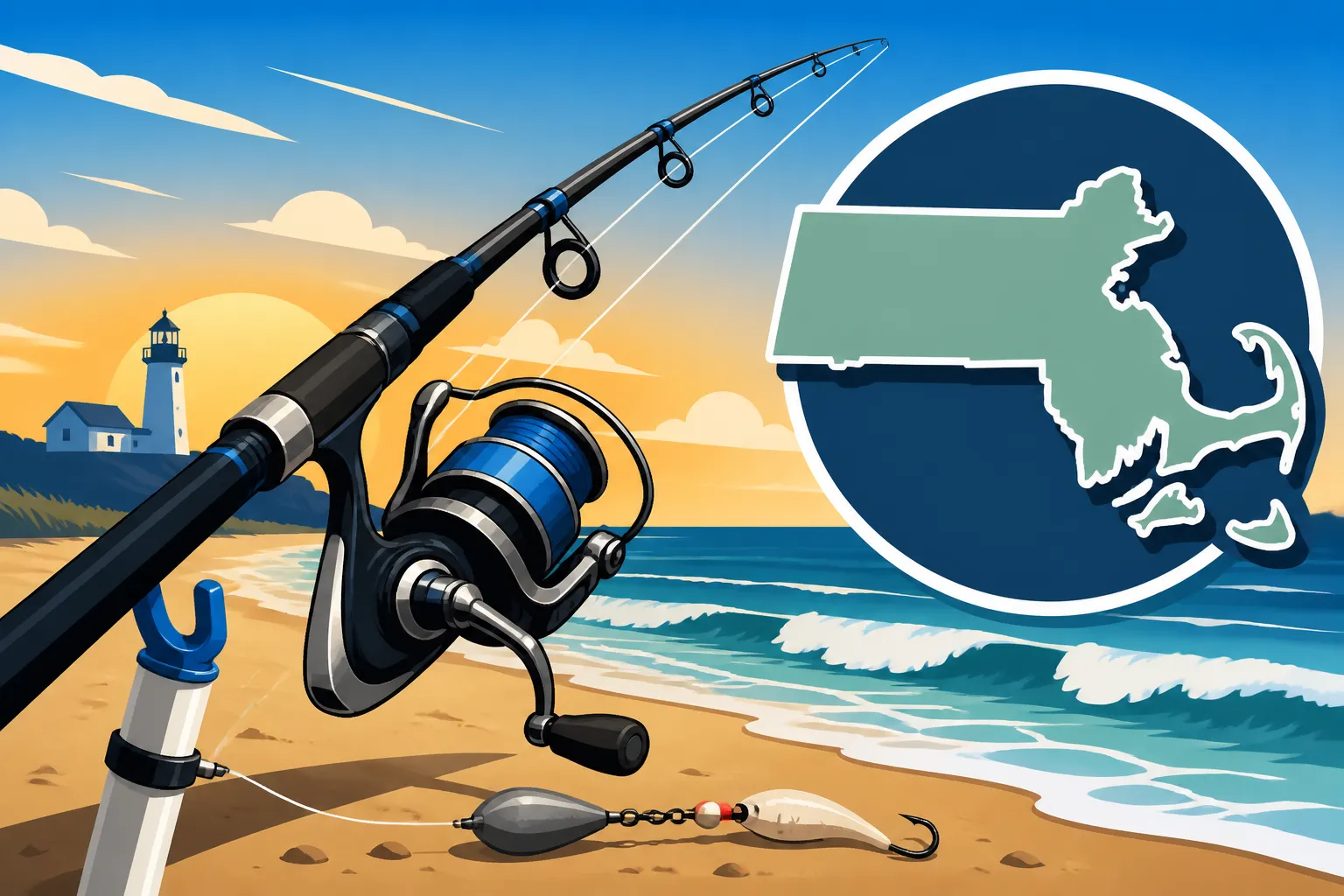
When we talk about surf rods, length is one of the first things that comes up. For general surfcasting in Massachusetts, you're typically looking at rods anywhere from 9 to 12 feet, sometimes even longer for specific applications like extreme distance casting at the Cape Cod Canal. A longer rod allows for longer casts, giving you more reach to cover distant rips, sandbars, or bait schools. This is especially crucial when you're trying to reach fish that are holding just beyond the breakers on a wide beach, or when trying to get your lure into the fast currents of a place like Plum Island. For general-purpose surfcasting on many Massachusetts beaches, a 10-foot rod is a popular and versatile choice, offering a good balance of casting distance and manageability.
Beyond length, rod "action" describes where the rod bends when pressure is applied. A "fast action" rod bends mostly in the tip, offering excellent sensitivity for detecting subtle bites and maximum power for setting hooks. A "moderate action" rod bends more through the middle, providing a smoother casting arc and often better shock absorption when fighting powerful fish. For surfcasting, you generally want a rod with a fast to moderate-fast action. This provides the power needed to launch heavy lures and baits, while still giving you enough sensitivity to feel those light taps from a hesitant striper. A rod that's too soft (slow action) will feel like a noodle and won't give you the casting power or fish-fighting backbone you need, especially when trying to land a larger fish during the Best Time of Year to Fish in Massachusetts.
Material and Construction: Durability for the Salt
Surf rods are typically constructed from either fiberglass, graphite, or a composite blend of both. Each material has its pros and cons. Fiberglass rods are incredibly durable and forgiving, often bending throughout their length, making them great for soaking bait. However, they tend to be heavier and less sensitive. Graphite rods, on the other hand, are much lighter and more sensitive, offering superior feel for subtle bites and more backbone for powerful hooksets. The trade-off is that graphite can be more brittle and less forgiving than fiberglass, making it more prone to snapping if mishandled or high-sticked.
Many modern surf rods, and often the best ones you'll find on a site like Amazon, utilize a composite blend. This design aims to marry the best qualities of both: the toughness and durability of fiberglass with the sensitivity and lighter weight of graphite. This balance is key for a surf rod that will endure years of abuse from saltwater, sand, and heavy fish. Look for quality guides (the rings your line passes through) made of materials like Fuji Alconite or SiC, which are resistant to corrosion and reduce line friction. Corrosion-resistant reel seats are also non-negotiable for saltwater use. Always rinse your rod thoroughly with fresh water after every outing to prevent saltwater damage; even the best materials can succumb to prolonged exposure.
Grip and Reel Seat: Comfort for the Long Haul
When you're casting hundreds of times in a session or battling a tenacious fish for twenty minutes, the comfort and ergonomics of your rod become critically important. The grip, typically made of cork tape, EVA foam, or shrink wrap, needs to provide a secure hold even when wet, allowing for powerful two-handed casts. A comfortable grip also reduces fatigue, letting you stay on the water longer. Different anglers prefer different grip styles, so if you have a chance to hold a few rods, take it. Imagine trying to make repeated long casts with a slippery or uncomfortable grip – it quickly drains the fun out of the experience.
The reel seat is where your reel attaches to the rod, and it needs to be rock solid. Cheap plastic reel seats can break or corrode quickly in the saltwater environment. Look for heavy-duty, corrosion-resistant reel seats, often made of anodized aluminum or graphite with stainless steel hoods. A quality reel seat ensures your valuable reel stays firmly attached, preventing costly mishaps and providing a stable platform for fighting fish. A wobbly reel seat can not only be annoying but can compromise your casting accuracy and fighting power, especially when reeling in a heavy lure or a strong fish.
Selecting the Perfect Surf Reel
The reel is the engine of your surfcasting setup, providing the muscle to retrieve line, handle powerful runs, and stand up to the corrosive forces of the ocean. A reliable, well-built surf reel is an investment that pays dividends in performance and longevity. Don't skimp here, as a failing reel can turn a dream catch into a heartbreaking loss.
Spinning vs. Conventional: Which is Right for You?
This is often the first big decision for a surfcaster, and your choice will greatly influence your casting technique and overall experience.
- Spinning Reels: These are by far the most popular choice for surfcasting, especially for beginners. They are easier to cast, especially with lighter lures, and they handle wind knots (those frustrating tangles) a bit better for less experienced casters. You typically hold the rod with the reel under the rod blank, and cast by opening the bail and releasing the line with your finger. For most general surfcasting in Massachusetts, a heavy-duty spinning reel in the 6000-8000 size range (or larger, depending on the manufacturer's sizing) is an excellent choice. Many popular models are readily available, often found with good reviews on platforms like Amazon. They offer a good balance of power and ease of use, making them ideal for casting a variety of Best Lures for Striped Bass in Massachusetts.
- Conventional Reels: These reels, also known as baitcasters, sit on top of the rod. They offer more direct power, better line capacity for their size, and some anglers find them more accurate for specific casting techniques. However, they have a steeper learning curve and are prone to "backlashes" (a bird's nest of tangled line) if not cast properly. They excel at casting heavy weights and baits, making them a favorite for those targeting truly enormous fish or using specialized techniques. For most recreational surfcasters focusing on artificial lures, a spinning reel offers greater versatility and ease of use. However, if you are planning on soaking large chunks of bait, a conventional reel might offer superior drag power and cranking strength for battling fish like cod or larger stripers in strong currents.
Size and Line Capacity: Holding Enough for the Fight
Reel size directly correlates to line capacity and drag power. For Massachusetts surfcasting, you'll want a reel that can hold a substantial amount of line – typically at least 250-300 yards of braided line in the 30-50 lb test range. This capacity is crucial for two main reasons: first, it allows you to make extremely long casts without running out of line; second, it provides enough reserve line for a powerful fish to make multiple long runs without stripping your spool bare. Imagine hooking into a large striped bass in a strong current at the Cape Cod Canal Fishing Guide for Massachusetts Anglers, and it decides to make a 100-yard sprint. You absolutely need that line!
Reel manufacturers use various sizing systems (e.g., 6000, 8000, 10000 for spinning reels). It's always best to check the specific line capacity specifications for a given model rather than relying solely on the number. A good rule of thumb is to err on the side of slightly larger rather than too small. A reel that's too small might not have the drag power or the line capacity to handle a trophy fish, leading to heartbreak at the water's edge and potentially a lost fish of a lifetime.
Drag System and Sealing: Power and Protection
The drag system is arguably the most critical component of your reel when fighting a large fish. It's the mechanism that allows line to be pulled off the spool under controlled tension, preventing your line from breaking while tiring out the fish. For surfcasting, you need a smooth, powerful, and consistent drag system that won't stick or jerk under pressure. Carbon fiber drag washers are a common and highly effective material. A reel with a maximum drag rating of at least 20-30 lbs is generally recommended for serious surfcasting for large stripers and bluefish. A drag that falters under pressure can instantly snap your line, leaving you with nothing but a story of "the one that got away."
Equally important for saltwater reels is sealing. Saltwater is incredibly corrosive, and it will quickly destroy internal components if it infiltrates the reel's body. Look for reels advertised with advanced sealing technologies to protect against water, sand, and salt intrusion. These often include sealed bearings, gaskets, and waterproof drag systems. While fully sealed reels tend to be more expensive, the investment is well worth it for the extended lifespan and reliable performance you'll get in the harsh surf environment. Neglecting to rinse your reel thoroughly with fresh water after every outing, even a sealed one, is a common mistake that shortens its life considerably. These considerations are vital whether you're fishing during peak Massachusetts Saltwater Fishing Seasons or on a quiet winter day.
Line, Lures, and Essential Accessories
Your rod and reel are the foundation, but the right line, a selection of effective lures, and a few critical accessories complete your surfcasting arsenal. Without these, even the best rod and reel combo will fall short, leaving you unprepared for the nuances of surfcasting.
Braided Line: Strength and Sensitivity
For modern surfcasting, braided fishing line is the overwhelming choice for your main line. Unlike monofilament, braid has virtually no stretch, which provides incredible sensitivity for feeling even the lightest bites at extreme distances. It also offers a much smaller diameter for a given breaking strength compared to mono, meaning you can load more high-test line onto your spool, increasing your casting distance and capacity. For Massachusetts surfcasting, a 30 lb to 50 lb test braided line is standard. The exact pound test depends on the size of fish you expect to encounter and the strength of the currents you'll be fishing.
While braid offers immense advantages, it does require a bit more care than mono. It can be harder to knot correctly, and its lack of stretch means it's less forgiving of sudden shocks, which is why a good leader is essential. Brands like PowerPro or Daiwa J-Braid are popular and widely trusted choices among surfcasters, and you can often find great deals on larger spools on sites like Amazon. Remember that while braid is strong, it's very thin, so always use a proper knot to connect it to your leader, such as an FG knot or an Albright knot, to prevent break-offs at the connection point.
Leader Material: Abrasion Resistance is Key
Because braided line is so thin and has no stretch, it's not ideal for direct connection to your lure or for standing up to abrasive structures like rocks, mussel beds, or the rough skin of a large striper. This is where your leader comes in. A leader is a short section of heavier, more abrasion-resistant line tied between your main braided line and your lure or hook. It acts as a shock absorber and a sacrificial buffer against damage.
Fluorocarbon leader material is generally preferred over monofilament for surfcasting. Fluorocarbon is less visible underwater than mono, which can be an advantage with finicky fish, and it has excellent abrasion resistance. It also sinks faster than mono, helping your lure get down quicker. For general Massachusetts surfcasting, a fluorocarbon leader in the 40 lb to 80 lb test range, about 3-6 feet long, is a good starting point. You'll want to adjust the strength based on the conditions and the size of the fish you're targeting. A heavier leader might be necessary when fishing around sharp rocks or when targeting very large fish, providing that crucial buffer against sudden breaks. This crucial piece of terminal tackle prevents break-offs and gives you a much better chance of landing that trophy fish.
Essential Lures for Massachusetts Surfcasting
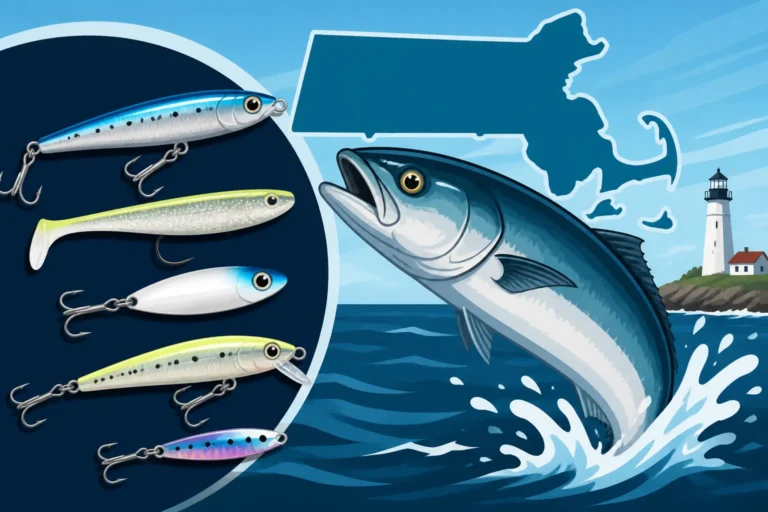
Having the right rod, reel, and line is one thing, but you need something to tempt the fish! The Best Lures for Striped Bass in Massachusetts often include a mix of classics and modern innovations.
- Plugs: Wooden or plastic swimming plugs (like darters, swimmers, or needlefish) are deadly for stripers. They imitate baitfish and can be worked in various ways to entice a bite, especially during low light conditions.
- Soft Plastics: Large soft plastic shads or paddle tails rigged on jig heads are incredibly versatile and effective, especially when fished slowly near the bottom or retrieved through currents. They mimic baitfish like pogies or mackerel.
- Bucktail Jigs: These simple, yet incredibly effective, jigs are a staple for a reason. They can imitate a variety of bait and catch everything from stripers to fluke, making them a must-have in your surf bag.
- Spoons: Metal spoons can be cast a mile and are excellent for imitating fleeing baitfish, especially when bluefish are around, as their erratic flash often triggers aggressive strikes.
- Surface Poppers: Nothing beats the excitement of a striper exploding on a topwater popper at dawn or dusk! This visual strike is one of the most thrilling experiences in surfcasting.
Having a selection of these in different sizes and colors will prepare you for various conditions and baitfish patterns you'll encounter along our coast. Remember that different lures excel under different Massachusetts Surf Fishing Techniques, so having a versatile collection is key.
Must-Have Accessories Beyond Rod and Reel
While the rod and reel are the stars, a few key accessories make your surfcasting experience safer, more comfortable, and more successful. Ignoring these can lead to frustration or, worse, safety issues.
- Surf Bag: A sturdy, waterproof surf bag holds your lures, leader material, pliers, and other essentials, keeping them organized and accessible as you walk the beach. Carrying loose lures is a recipe for tangles and lost gear.
- Pliers/Boga Grip: Essential for removing hooks safely from toothy fish like bluefish, and for handling large stripers without harming them. A good set of fishing pliers is critical for cutting line and crimping sleeves, especially with braided line.
- Headlamp/Light: If you're fishing at night (and many of the best striper bites happen after dark!), a reliable headlamp is non-negotiable for tying knots, rigging lures, and navigating the shore safely.
- Waders/Boots: Depending on where you fish, chest waders and sturdy wading boots provide warmth and allow you to access water a bit further out, extending your casting range and keeping you dry. Remember to always use a wading belt for safety!
- Terminal Tackle: A selection of swivels, snaps, and appropriate hooks for bait fishing, ensuring you have the right components for your chosen rigging.
- Measuring Tape/Scale: To ensure you're adhering to Massachusetts Recreational Fishing Rules and Bag Limits and for documenting your catches. This is not optional; knowing the rules is part of responsible angling.
- Small First Aid Kit: Accidents happen, especially around hooks and sharp fish fins. A basic kit for cuts and scrapes is always a good idea.
- Sunscreen and Hat: Even on cloudy days, the sun reflects off the water, and you'll be outside for hours. Protecting yourself from the elements is crucial for long-term enjoyment.
These might seem like small details, but they truly enhance your time on the water and keep you prepared for anything the Massachusetts surf can throw at you. Don't forget to understand the difference between Massachusetts Freshwater vs Saltwater License Differences before heading out, to ensure you're properly licensed.
Putting It All Together: A Balanced Approach
Choosing individual components is one thing, but the magic happens when your rod, reel, line, and terminal tackle work in harmony as a cohesive system. A balanced setup feels comfortable, casts efficiently, and performs reliably under pressure, giving you confidence when that big fish finally hits.
Matching Rod and Reel for Optimal Performance
The most crucial aspect of assembling your surfcasting setup is ensuring your rod and reel are well-matched. A heavy, powerful reel on a lightweight, flexible rod will feel clumsy and awkward, hindering your casting performance and potentially damaging the rod. Conversely, a tiny reel on a beefy surf rod will leave you under-gunned and likely unable to handle large fish, leading to lost tackle and lost fish.
When you're looking at rod specifications, you'll often see a recommended line weight and lure weight range. Your reel's line capacity and its physical size should align with these recommendations. For example, a 10-foot, medium-heavy power surf rod designed for 2-5 ounce lures and 20-50 lb line would pair beautifully with a 6000-8000 series spinning reel spooled with 30-40 lb braid. The reel should balance the rod, meaning that when you hold the rod just in front of the reel seat, it should feel fairly neutral, not tip-heavy or butt-heavy. Many manufacturers design rods and reels to work together, so checking their recommendations can be a good starting point. This synergy is what separates a frustrating experience from a truly enjoyable and productive day on the water, allowing you to maximize your efforts when chasing fish during the Best Time of Year to Fish in Massachusetts.
Here's a quick overview of common surfcasting setup components and their recommended ranges:
| Component | Recommended Range for MA Surfcasting (Stripers/Bluefish) | Key Considerations |
|---|---|---|
| Rod Length | 9 to 12 feet (10-11 ft most versatile) | Casting distance, maneuverability on shore |
| Rod Action | Fast to Moderate-Fast | Casting power, sensitivity, fighting backbone |
| Rod Power | Medium-Heavy to Heavy | Handling lure weight, fighting large fish |
| Reel Size | 6000 to 10000 series (spinning) | Line capacity, drag power, physical size |
| Drag Power | 20-30+ lbs | Ability to tire out large, strong fish |
| Line (Braid) | 30-50 lb test | Strength, sensitivity, casting distance |
| Leader (Fluoro) | 40-80 lb test | Abrasion resistance, stealth, shock absorption |
| Lure Weight | 1-5 ounces (matching rod spec) | Effective casting, presentation in current |
Considering Your Budget Without Compromising Quality
Let's be real, fishing can get expensive, and surfcasting gear is no exception. It's easy to get caught up in the allure of high-end equipment, but you don't need to break the bank to get a high-quality, effective surfcasting setup. The key is to prioritize quality where it matters most: the reel's drag system and sealing, and the rod's blank material and guides. These are the components that will directly impact your success and the longevity of your gear in the harsh saltwater environment. You can often find excellent value by researching reputable brands on platforms like Amazon.
Think of it as an investment. A mid-range rod and reel from a reputable brand, properly cared for, will outperform a cheap, poorly constructed "combo" every single time. Instead of buying the absolute cheapest option, consider what you can realistically afford and then look for the best quality within that price point. Read reviews, ask experienced anglers for their recommendations, and remember that sometimes saving a bit more for a slightly better piece of gear will save you money in the long run by preventing failures and costly replacements. You'll thank yourself when you're battling a fish of a lifetime, and your gear holds up as it should.
Practice Makes Perfect: Getting Comfortable with Your Setup
Once you've assembled your ideal rod and reel setup, the work isn't over. Like any skill, surfcasting requires practice to master. Spend time in an open field, or even a wide, clear beach during off-peak hours, practicing your casting technique. Get a feel for the rod's loading power, the timing of your release, and how different lure weights affect your distance and accuracy. A good casting stroke not only helps you reach distant fish but also reduces fatigue and prevents those dreaded backlashes (if using a conventional reel) or wind knots (on spinning reels).
Learning to effectively work your lures, feel subtle bites, and manage a strong fish during a fight also comes with experience. Every time you cast, retrieve, and battle a fish, you're building muscle memory and refining your skills. Don't be discouraged by initial struggles; every experienced surfcaster started somewhere! The more comfortable and confident you become with your gear, the more you'll enjoy your time on the Massachusetts coast, whether you're targeting stripers during the Best Time of Year to Fish in Massachusetts or just enjoying the peace of the open water. You might also consider looking into Massachusetts Surf Fishing Techniques to refine your approach, or even how to get a Massachusetts Saltwater Recreational Fishing Permit Explained to ensure you're fully compliant with all the rules before you hit the sand. And remember, the journey of becoming a great surfcaster is just as rewarding as the catches themselves.
Disclaimer
This article is for general informational purposes only and does not constitute professional advice. Laws, prices and regulations vary by location and change over time. Consult a qualified professional for guidance on your specific situation.