Massachusetts Spring Trout Stocking Towns List
It can be incredibly frustrating trying to pin down exactly where and when MassWildlife will be stocking trout each spring. You hear whispers, see a few trucks, but getting a definitive, easy-to-digest list of towns and water bodies can feel like a treasure hunt. This comprehensive guide is here to unravel that mystery, helping you understand the process, find those prime fishing locations, and ultimately, have a much more successful and enjoyable spring trout season here in Massachusetts.
Understanding Massachusetts Trout Stocking Efforts
For many of us, the arrival of spring in Massachusetts doesn't just mean warmer weather; it heralds the exciting return of trout stocking season. It's a time when thousands of eager anglers, from seasoned veterans to excited kids with their first rod, flock to local ponds and streams. But have you ever stopped to think about the incredible effort that goes into making this annual tradition possible?
Why Massachusetts Stocks Trout
The primary reason MassWildlife undertakes such a massive trout stocking program is quite simple: to enhance recreational fishing opportunities for everyone. Many of our smaller ponds and streams, while beautiful, wouldn't naturally support large populations of trout year-round due to water temperature fluctuations, habitat limitations, or predator pressure. Stocking ensures that there's a vibrant population of fish available, providing ample chances for anglers of all skill levels to experience the thrill of a tug on their line. It's about accessibility and creating memorable outdoor experiences, especially for families and new anglers who might not have the patience for more challenging wild trout pursuits.
Beyond recreation, stocking also plays a crucial role in conservation education. It connects people with nature, fostering an appreciation for aquatic environments and the need to protect them. When a child catches their first rainbow trout, they're not just having fun; they're building a relationship with our natural resources that can last a lifetime.
Trout Species You Can Expect to Find
When you're out fishing recently stocked waters in Massachusetts, you'll primarily encounter a few key species that MassWildlife raises in its hatcheries. Each has its own distinct characteristics and fighting style, adding to the fun.
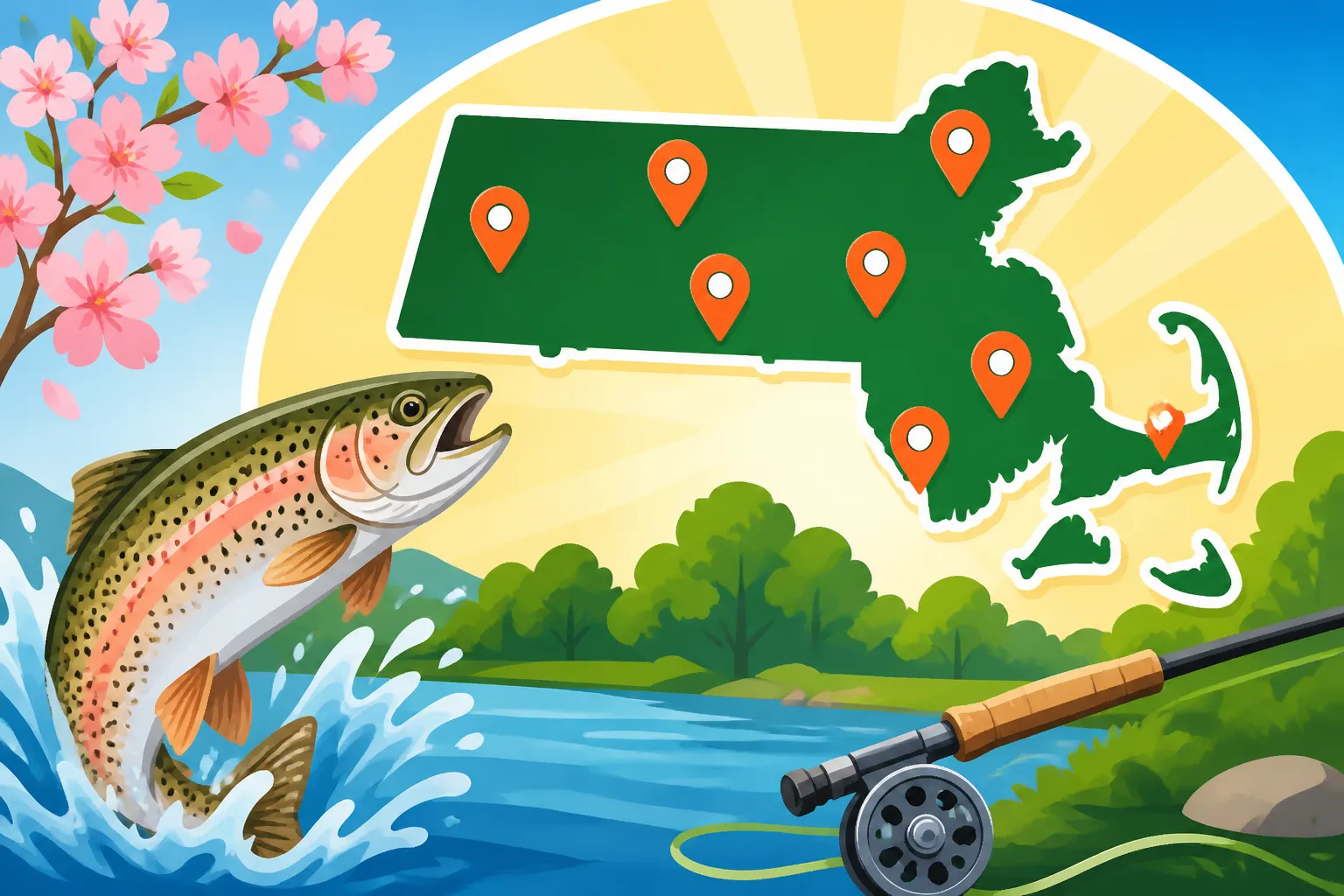
- Rainbow Trout (Oncorhynchus mykiss): These are by far the most commonly stocked trout. Known for their vibrant, iridescent stripe along their sides, rainbows are energetic fighters and readily take a variety of baits and lures. They're a favorite among anglers because they provide consistent action and are often quite eager to bite shortly after being introduced to new waters. Many of the fish you'll catch will be "holdovers" from previous stockings, but the fresh batches of spring fish are usually 12-14 inches, sometimes bigger!
- Brown Trout (Salmo trutta): Distinguished by their light brown to yellowish-brown bodies adorned with dark spots, some ringed with lighter halos, brown trout are often a bit more elusive and prized for their cunning. They can grow to impressive sizes and are known for their strong, powerful runs once hooked. While perhaps not as numerous as rainbows in stocked waters, landing a good brown trout is often considered a real trophy.
- Brook Trout (Salvelinus fontinalis): Our state fish, brook trout are native to Massachusetts and are truly beautiful creatures with their olive green backs, vermiculation patterns (worm-like markings), and bright red spots surrounded by blue halos, often with white leading edges on their fins. While wild brook trout thrive in cold, pristine streams, MassWildlife also stocks brookies to supplement populations, especially in smaller, colder water bodies. They tend to be smaller than rainbows or browns but are aggressive and visually stunning.
- Tiger Trout (Salmo trutta x Salvelinus fontinalis): These are a hybrid cross between a brown trout and a brook trout, and they're stunning! They possess a unique, maze-like pattern over their bodies that resembles tiger stripes. While not stocked in the same numbers as the other three, they are occasionally released and are a special treat for any angler lucky enough to catch one. Don't be surprised if you catch one of these rare beauties; they are distinct and a true testament to MassWildlife's diverse stocking program.
The Role of State Hatcheries
Behind every successful spring trout season are the dedicated efforts of MassWildlife's five trout hatcheries: McLaughlin Hatchery in East Sandwich, Sandwich Hatchery, Sunderland Hatchery, Palmer Hatchery, and the Charles L. McLaughlin Hatchery in Belchertown. These facilities are incredible operations, responsible for raising hundreds of thousands of trout each year, from tiny fingerlings to catchable-sized fish.
The hatchery staff work tirelessly, often through harsh weather conditions, to ensure the fish are healthy, well-fed, and ready for their journey to our lakes, ponds, and rivers. This isn't just about growing fish; it involves careful genetic management, disease prevention, and precise feeding regimens. Without these hatcheries, the robust fishing opportunities we enjoy across the Commonwealth simply wouldn't exist. They are the backbone of our freshwater trout program, and their commitment allows anglers throughout Massachusetts to experience the joy of fishing for these beautiful species.
The Spring Trout Stocking Process and Schedule
The thought of fresh trout hitting your favorite fishing hole is enough to make any angler eager. But how does MassWildlife manage such a massive undertaking, and how can you keep track of it all? It's a logistical marvel that unfolds over several weeks.
When Does Massachusetts Start Stocking Trout in 2026?
Typically, spring trout stocking in Massachusetts kicks off in late March or early April, once ice has fully melted from water bodies and weather conditions become more consistent. However, the exact timing can vary slightly each year based on a multitude of factors, especially weather and water levels. A cold, snowy winter might push the start date back a bit, while an early warm-up could see the trucks rolling sooner.
MassWildlife often begins with larger ponds and lakes that are easily accessible, gradually moving to smaller streams and rivers as spring progresses. They want to ensure optimal conditions for the fish and for anglers. If you're wondering When Massachusetts trout stocking starts in 2026?, the best practice is always to keep an eye on the official MassWildlife channels. They update their schedule regularly, and that's your most reliable source. Don't rely solely on word-of-mouth; things change quickly!
How MassWildlife Manages Stocking Operations
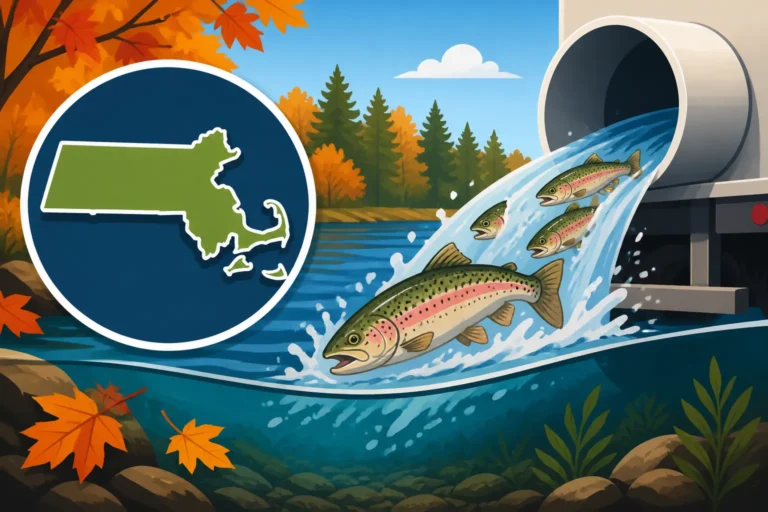
Imagine hundreds of thousands of trout needing to be distributed across an entire state – it's a monumental task! MassWildlife employs a fleet of specialized stocking trucks, equipped with aerated tanks, to transport the trout safely from the hatcheries to their designated release points. These trucks often make multiple trips a day, sometimes traveling hundreds of miles.
The process involves careful planning, with biologists and stocking teams evaluating water temperatures, oxygen levels, and accessibility at each location. The goal is to minimize stress on the fish and ensure they are released into suitable habitat. Often, you'll see a team with long hoses carefully guiding the fish from the truck into the water, a well-rehearsed operation designed for efficiency and fish welfare. This isn't just about dumping fish; it's a science-backed effort to create the best possible experience for both the fish and the anglers.
Staying Informed with the Stocking Report
The absolute best way to stay current on Massachusetts trout stocking is through MassWildlife's official channels. They maintain an active online Trout Stocking Report, which is usually updated daily or several times a week during the peak stocking season. This report lists the towns, specific water bodies, and the number of trout stocked, often broken down by species. It's an invaluable tool that every serious trout angler in Massachusetts should bookmark.
You can typically find this report on the MassWildlife website. It's a game-changer for planning your trips, letting you know which ponds or rivers have recently received fish. This transparency is a huge help, preventing wasted trips and increasing your chances of finding active fish. Don't just check it once; the Massachusetts Trout Stocking Schedule is dynamic, so refresh it often! Beyond the official website, local bait and tackle shops are also excellent sources of up-to-the-minute information, as they often get direct updates or hear from anglers who've just returned from a freshly stocked spot.
Key Towns and Water Bodies for Spring Trout Stocking
While the exact list of stocked towns and waters changes slightly each year, certain regions and water bodies are consistently featured in MassWildlife's spring stocking efforts due to their accessibility, suitable habitat, and popularity among anglers. Knowing these general areas can help you narrow down your search.
Eastern Massachusetts Hotspots
Eastern Massachusetts, despite its dense population, offers numerous excellent trout fishing opportunities, especially in its network of ponds and smaller rivers. These spots often get early attention during stocking season due to their proximity to major population centers.
- Plymouth: This South Shore town is a consistent performer. Ponds like Little Pond, Long Pond, and Halfway Pond regularly receive substantial trout stockings, making them prime targets for anglers. These ponds are typically easy to access, offering both shore fishing and small boat opportunities. They're popular for a reason, so expect company, especially on weekends immediately following a stocking.
- Woburn/Burlington: Located just north of Boston, Horn Pond in Woburn and Mill Pond in Burlington are often stocked and provide excellent fishing for urban and suburban anglers. These smaller, community-focused ponds are perfect for a quick evening trip after work or a weekend outing with the family. Their accessibility makes them incredibly popular.
- Walden Pond (Concord): A historic and iconic spot, Walden Pond is regularly stocked with trout, offering a unique fishing experience amidst its serene beauty. It's a deeper, clearer pond that challenges anglers a bit more, but the reward of catching a trout in such a legendary location is unmatched.
- Great Ponds across the region: Towns like Weymouth (Whitman's Pond), Braintree (Pond Meadow Park), Hingham (Accord Pond), and North Attleborough (Whittenton Pond) often feature prominently on the stocking list. These ponds are typically well-maintained and offer public access, making them reliable choices for a spring fishing adventure.
Central Massachusetts Favorites
Central Massachusetts boasts a diverse landscape of rolling hills, forests, and numerous water bodies, making it a trout fishing paradise. Many of these ponds and rivers provide a slightly more tranquil experience than their eastern counterparts.
- Worcester County: This expansive county is a true gem for trout fishing. Lake Quinsigamond (Worcester/Shrewsbury) receives substantial stockings, especially around its various access points, making it a fantastic destination for boat and shore anglers alike. Smaller but equally productive ponds include Comins Pond (Dudley), South Meadow Pond (Clinton), and Lake Maspenock (Hopkinton). The sheer volume of water bodies in this region means there's always a good chance of finding a recently stocked spot.
- Quabbin Reservoir (Belchertown, Hardwick, New Salem, etc.): While fishing at Quabbin requires a special permit in addition to your Massachusetts Fishing License, it's an unparalleled trout fishery. MassWildlife stocks thousands of trout here, including lake trout and Atlantic salmon, alongside its rainbow and brown trout. It’s a vast, challenging, but incredibly rewarding destination for those seeking bigger fish and a wilderness experience. Remember, checking Quabbin Reservoir Fishing Permits and Rules in Massachusetts is crucial before heading out.
- Wachusett Reservoir (Clinton, Boylston, West Boylston, Sterling): Another massive reservoir, Wachusett is a true trophy trout destination. It also requires specific access rules, but the rewards are substantial. Stocked with salmon and various trout species, it's known for producing some of the largest trout in the state. Wachusett Reservoir Fishing Access Rules in Massachusetts will guide you on where you can fish from shore.
- Connecticut River (Northfield, Gill, Montague, etc.): While often associated with warm water species, sections of the Connecticut River receive trout stockings, especially in its cooler tributaries and eddies. This offers a unique riverine trout fishing experience, different from pond fishing.
Western Massachusetts Gems
The Berkshires and the Connecticut River Valley in Western Massachusetts are famous for their stunning natural beauty and exceptional coldwater fisheries. This region is a particular favorite for those who enjoy stream and river fishing, alongside the numerous ponds.
- Deerfield River (Conway, Deerfield, Shelburne Falls, Charlemont): One of Massachusetts' premier trout rivers, the Deerfield receives significant stockings and also supports strong wild trout populations. It's a favorite for fly anglers and spin fishermen alike, offering challenging but highly rewarding fishing in a picturesque setting. Expect to find plenty of brown and rainbow trout here.
- Housatonic River (Pittsfield, Lee, Stockbridge): Further west in the Berkshires, sections of the Housatonic River are also regularly stocked, providing excellent opportunities, particularly for those targeting brown trout. Its diverse sections, from faster riffles to slower pools, cater to various fishing styles.
- Pontoosuc Lake (Pittsfield/Lanesborough): A large and popular lake in the Berkshires, Pontoosuc is a consistent recipient of spring trout stockings. It offers both boat and shore access and is a fantastic spot for a full day of fishing.
- Barton Cove (Gill): Part of the Connecticut River system, Barton Cove is a particularly good spot for early season trout due to its calmer waters and good access. It's often one of the first locations to see stockings in the region.
- Numerous Smaller Streams and Ponds: Western Massachusetts is dotted with countless smaller, scenic streams like the Westfield River branches, and ponds such as Ashmere Lake (Hinsdale/Peru), Onota Lake (Pittsfield), and Lake Garfield (Monterey), which routinely appear on the stocking list. These often provide more secluded experiences and are perfect for exploring.
Finding the Best Stocked Waters Near You
Once you understand the general stocking patterns, the next step is to pinpoint the exact locations that are getting fish and are convenient for your next outing. This is where a little proactive research can pay huge dividends.
Utilizing the MassWildlife Stocking List
As mentioned, the official MassWildlife Trout Stocking Report is your bible during spring. This real-time, frequently updated list is available on their website and will tell you exactly which towns and water bodies have been stocked, often detailing the species and approximate numbers of fish released.
My advice? Check it frequently, perhaps even daily if you're serious about hitting a fresh spot. The stocking trucks move quickly, and the best fishing can often be within the first few days of a release. Look for water bodies that are close to you or offer the type of fishing experience you prefer (e.g., pond for kids, river for fly fishing). Pay attention to the date of the stocking; a location stocked yesterday will likely be more productive than one stocked a week ago, though holdovers are always a possibility. This list is truly the most powerful tool you have to plan your trips effectively.
Local Bait Shops and Community Insights
While the official report is invaluable, don't underestimate the power of local knowledge. Your local bait and tackle shop owners and staff are often some of the most connected people in the fishing community. They hear firsthand reports from anglers, get updates from MassWildlife, and often know the nuances of local waters better than anyone.
Pop into a shop like Belsky's Bait & Tackle in Worcester, Flies & Lies in Orange, or Red Top Sporting Goods on Cape Cod. A quick chat can reveal not just where fish were stocked, but what they're biting on, current water conditions, and even less-known access points. Plus, supporting these local businesses is always a good thing for the angling community! Online fishing forums and local social media groups are also great resources. Join groups dedicated to Massachusetts Fishing, and you'll find a lively community sharing tips, photos, and up-to-the-minute reports on stocking and catches. Just be mindful of sharing exact spots too widely, as some anglers prefer to keep their honey holes a bit more secret!
Considering Accessibility and Family Friendliness
When choosing a stocked water body, think beyond just "where the fish are." Consider who you're fishing with and what kind of experience you want.
- For families and beginners: Look for ponds with easy shore access, designated fishing piers, or ample open space where kids can cast without tangling lines. Many municipal parks with ponds are regularly stocked and offer amenities like restrooms and picnic areas. These spots, while potentially busier, often provide a safe and encouraging environment for new anglers. Ponds with shallower sections can also be easier for kids to manage.
- For those seeking solitude: Target smaller, perhaps lesser-known streams or ponds that might require a bit more walking or light bushwhacking to reach. These spots often receive smaller stockings but can provide a more peaceful and "wilder" experience. Checking MassWildlife maps for public access points can help you identify these hidden gems.
- Boat vs. Shore Fishing: Decide if you plan to fish from shore or a boat. Some larger lakes are best fished from a kayak, canoe, or motorboat, while smaller ponds might only offer shore access. Ensure you have the appropriate vessel and launch access if you're planning to boat. If you're new to fishing or just want to quickly get out, shore access is usually the easiest bet.
Remember, a successful fishing trip isn't just about catching the most fish; it's about enjoying the outdoors and the company you keep.
Tips for Fishing Recently Stocked Waters
So you've found a freshly stocked pond or river – congratulations! Now, how do you make the most of it? Fishing recently stocked trout can be a unique experience, often requiring a slightly different approach than targeting wild, more wary fish.
Best Lures and Baits for Stocked Trout
Stocked trout are typically raised on pellets, so they often don't have a strong preference for natural forage right away. This can make them quite aggressive feeders when they first hit new water.
- For Bait Fishing:
- PowerBait or similar scented dough baits: These are absolute dynamite for stocked trout. The hatchery fish recognize the scent and texture. Mold them into a small ball around a single hook, cast out with a light sinker, and let it float a foot or two off the bottom. There are countless colors; pink, chartreuse, and rainbow are perennial favorites. You can find a huge variety of these, often with great deals, on Amazon.
- Worms (nightcrawlers, mealworms, garden worms): A classic for a reason! Worms are natural, wiggly, and irresistible to trout. Fish them under a bobber or on a small split shot rig.
- Corn: Believe it or not, kernels of sweet corn are incredibly effective. Their bright color and slight sweetness seem to attract trout. String a few kernels on a small hook.
- For Lure Fishing:
- Spinners (Mepps, Panther Martin, Rooster Tail): Small, flashy spinners are incredibly effective. Their rotating blade mimics small baitfish, and the flash often triggers aggressive strikes. Size 0 or 1 is usually perfect.
- Spoons (Kastmaster, Little Cleo, Acme Phoebe): These wobbling metal lures also imitate baitfish and cast a mile. Silver, gold, or brass are excellent choices, especially with a bit of flash tape.
- Small crankbaits/jerbaits: Micro-sized crankbaits or suspending jerkbaits in natural or bright patterns can also entice strikes, especially if trout are ignoring traditional offerings.
- Soft Plastics: Tiny curly-tail grubs or minnow imitations on a jig head can be deadly, particularly for more finicky fish.
If you're looking for more specific recommendations, our guide on the Best Lures for Stocked Trout in Massachusetts or Best Bait for Trout Fishing in Massachusetts can provide even deeper insights.
Timing Your Visit for Optimal Success
When it comes to stocked trout, timing is everything.
- Immediately After Stocking: The first 24-48 hours after a stocking are often the most productive. The trout are disoriented and actively looking for food, making them quite easy to catch. If you can, try to hit a spot the same day or the day after it's been stocked. This is where staying glued to the MassWildlife stocking report pays off!
- Early Mornings and Late Afternoons: Like most fish, trout are often most active during cooler parts of the day. Early morning, right as the sun comes up, and late afternoon into early evening tend to be prime times. The lower light and cooler temperatures make them more willing to feed.
- Overcast Days: Overcast or slightly rainy days can also be excellent, as the reduced light penetration makes trout feel more secure and less wary. Just be sure to dress appropriately for the weather!
- Avoid Midday Heat: As the sun climbs high and water temperatures rise, trout can become less active and retreat to deeper, cooler water. Midday in bright sunshine is generally the toughest time to catch them.
Approaching the Water Quietly and Effectively
Stocked trout, while not as wary as wild trout, can still be spooked by commotion. A stealthy approach can significantly improve your chances.
- Keep a Low Profile: Avoid stomping around on the bank or making loud noises. Approach the water slowly and quietly. If you see fish, try to stay out of their direct line of sight.
- Wear Neutral Colors: Bright clothing can make you stand out. Opt for natural, muted tones like greens, browns, and grays that blend with the surroundings.
- First Cast Matters: Often, the first few casts into a spot are the most critical. If there are actively feeding fish, they're more likely to strike before they become aware of your presence. Make those initial casts count!
- Fan Casting: Don't just cast straight out. Fan cast across the water, covering different angles and distances. Trout might be holding in various spots, so systematic coverage increases your chances of finding them.
- Move if Necessary: If you've fished a spot thoroughly for 15-20 minutes without a bite, don't be afraid to move down the bank or to a different part of the pond. Sometimes just a short move can put you on a school of fish. Persistence and willingness to relocate are key, especially in larger water bodies.
Essential Gear for Spring Trout Fishing
Having the right equipment can make all the difference between a frustrating day and a fantastic one on the water. For spring trout fishing in Massachusetts, you don't need to break the bank, but a few key items will ensure comfort and success.
Rods, Reels, and Line Choices
Starting with your main setup, simplicity and versatility are often your best friends when targeting stocked trout.
- Rods: A light to medium-light action spinning rod, typically 5 to 7 feet long, is ideal. This length provides good casting distance for smaller lures and enough sensitivity to feel the subtle bites of trout. A moderate action will give you enough flex to cast light baits but still have the backbone to fight a decent fish. A good quality rod from a brand like Ugly Stik or St. Croix can be found at reasonable prices and will last for years.
- Reels: Pair your rod with a small spinning reel (size 1000 to 2500). Look for a smooth drag system, which is crucial for fighting trout on light line. Brands like Shimano, Daiwa, or Penn offer reliable options.
- Line: For stocked trout, you'll want to use light monofilament or fluorocarbon line.
- Monofilament: 4-6 pound test monofilament is a great all-around choice. It has a bit of stretch, which can act as a shock absorber, and is very user-friendly. Brands like Berkley Trilene XL or Stren are excellent.
- Fluorocarbon: If you want a more subtle presentation, consider a fluorocarbon leader (2-4 lb test) tied to your monofilament main line. Fluorocarbon is nearly invisible underwater and has less stretch, offering more sensitivity.
- Braided Line (with leader): Some anglers prefer braided line (8-10 lb test) for its incredible sensitivity and casting distance, but it's essential to tie on a fluorocarbon leader (4-6 lb test) to reduce visibility to the fish.
Having a balanced rod and reel setup will make casting enjoyable and fighting fish a true pleasure, reducing fatigue and increasing your success rate.
Tackle Box Essentials
Your tackle box doesn't need to be huge, but it should contain a thoughtful selection of items tailored for trout.
- Hooks: A variety of small, sharp hooks is a must. Sizes #8, #10, and #12 Aberdeen or bait holder hooks are perfect for worms, corn, and PowerBait. Keep some treble hooks (size #10 or #12) on hand if you plan to use PowerBait dough molded around them.
- Sinkers: A selection of small split shot sinkers (various sizes) will allow you to adjust your bait's depth and casting weight. You might also want a few small egg sinkers or bullet weights for bottom fishing rigs.
- Bobbers/Floats: Small, sensitive bobbers are essential for suspending your bait at the right depth and detecting subtle bites. Both traditional red and white bobbers or more sensitive slip floats work well.
- Swivels: Small barrel swivels (size #10 or #12) help prevent line twist, especially when using spinners or fishing in currents.
- Forceps/Pliers: Crucial for safely removing hooks from fish, especially if you plan to catch and release. A good pair of multi-purpose fishing pliers will also help with cutting line and bending hooks. You can find excellent value sets, including line cutters and pliers, on Amazon.
- Net: A small, soft-mesh landing net can greatly aid in safely landing fish, particularly if you're fishing with children or plan to release your catch.
- Bait Containers: If you're using live bait like worms, a small container to keep them fresh and accessible is important.
Layering Up for Spring Weather
Spring weather in Massachusetts can be notoriously unpredictable. One moment it's sunny and warm, the next a cold front rolls in with rain. Dressing in layers is key to staying comfortable and extending your time on the water.
- Base Layer: Start with a moisture-wicking base layer (not cotton!) to manage sweat and keep you dry.
- Mid-Layer: A fleece jacket or vest provides warmth and can be easily removed if temperatures rise.
- Outer Layer: A waterproof and windproof jacket is essential for protection against rain and chilly winds. Many fishing-specific jackets from brands like Frogg Toggs or Columbia are lightweight and packable. Don't forget waterproof pants or waders if you plan on wading into streams.
- Headwear: A baseball cap or wide-brimmed hat provides sun protection, while a warm beanie can be a lifesaver on colder mornings.
- Gloves: Fingerless fishing gloves can provide warmth and sun protection while still allowing for dexterity when tying knots or handling fish.
- Footwear: Waterproof boots are highly recommended, especially when fishing near muddy banks or wet grass. A good pair of rubber boots or hiking boots treated for water resistance will keep your feet dry and comfortable.
Always check the forecast before you go, but be prepared for anything. Having a small backpack with extra layers, a rain jacket, and snacks means you'll be ready for whatever Mother Nature throws your way, ensuring a much more pleasant day of trout fishing.
| Region | Example Towns Commonly Stocked | Typical Water Bodies | Primary Species Stocked | Best For |
|---|---|---|---|---|
| Eastern MA | Plymouth, Woburn, Concord, Weymouth, Braintree, North Attleborough | Long Pond, Horn Pond, Walden Pond, Whitman's Pond, Whittenton Pond | Rainbow, Brown, Brook | Family fishing, accessible shore fishing, quick trips |
| Central MA | Worcester, Clinton, Dudley, Hopkinton, Belchertown, Hardwick | Lake Quinsigamond, South Meadow Pond, Quabbin Reservoir, Wachusett Reservoir | Rainbow, Brown, Brook, Lake Trout, Atlantic Salmon, Tiger | Diverse options, trophy fish potential, boat access |
| Western MA | Deerfield, Shelburne Falls, Pittsfield, Lee, Hinsdale | Deerfield River, Housatonic River, Pontoosuc Lake, Ashmere Lake | Rainbow, Brown, Brook | Stream/river fishing, picturesque settings, fly fishing |
Navigating Fishing Regulations and Conservation
Beyond knowing where and when to fish, understanding the rules and embracing conservation practices are vital for any responsible angler in Massachusetts. We all want to ensure that these great fishing opportunities continue for generations.
Licensing Requirements and Daily Limits
Before you even think about casting a line for trout, make sure you have the proper licensing. In Massachusetts, anyone 15 years of age or older needs a valid freshwater fishing license. This isn't just a formality; the fees from these licenses directly fund MassWildlife's conservation efforts, including the very trout stocking programs we've been discussing. You can easily purchase your license online through the MassFishHunt system, at MassWildlife offices, or at many bait and tackle shops. Our guide on the Massachusetts Freshwater Fishing License Costs and Rules breaks down everything you need to know. For those visiting, there are also Massachusetts Fishing License for Nonresidents options available.
It's also crucial to be aware of the daily catch and possession limits. For most stocked trout waters, the daily bag limit for trout (rainbow, brown, brook, tiger) is typically 5 fish. However, there can be specific regulations for certain water bodies, like the Quabbin or Wachusett Reservoirs, or for particular species. Always consult the most current Massachusetts fishing regulations pamphlet, which you can usually pick up wherever licenses are sold or view online through MassWildlife. Adhering to these limits helps sustain healthy fish populations and ensures fair access for all anglers. Check out Massachusetts Freshwater Daily Catch Limits for more specifics.
Practicing Responsible Angling and Conservation
We're all stewards of our natural resources, and responsible angling is about more than just following the rules; it's about ethical behavior and ensuring the health of our fisheries.
- Catch and Release Best Practices: If you're not keeping your catch, practice proper catch and release techniques. Minimize handling the fish, especially out of water. Use a wet hand when touching fish, unhook them quickly (barbless hooks can help!), and return them gently to the water. Avoid dragging fish on the bank.
- Pack It In, Pack It Out: Leave no trace. Always carry out everything you bring in, including fishing line, bait containers, and any other trash. Consider picking up any litter you find, even if it's not yours.
- Respect Private Property: Be mindful of private property signs and land boundaries. Always obtain permission before fishing on private land. Stick to designated public access points.
- Protect Fish Habitat: Avoid disturbing stream banks or disturbing sensitive aquatic vegetation. These areas are vital for fish health and water quality.
- Report Violations: If you witness any fishing violations or pollution, report them to MassWildlife or local authorities. Protecting our resources is a shared responsibility.
By embracing these practices, we ensure that the Massachusetts spring trout stocking tradition remains strong and enjoyable for ourselves and future generations of anglers.
Disclaimer
Please note that fishing regulations, stocking schedules, and accessibility can change. While every effort has been made to provide accurate and up-to-date information, it is always the angler's responsibility to check the latest regulations and reports from the Massachusetts Division of Fisheries and Wildlife (MassWildlife) before heading out. Enjoy your time on the water!