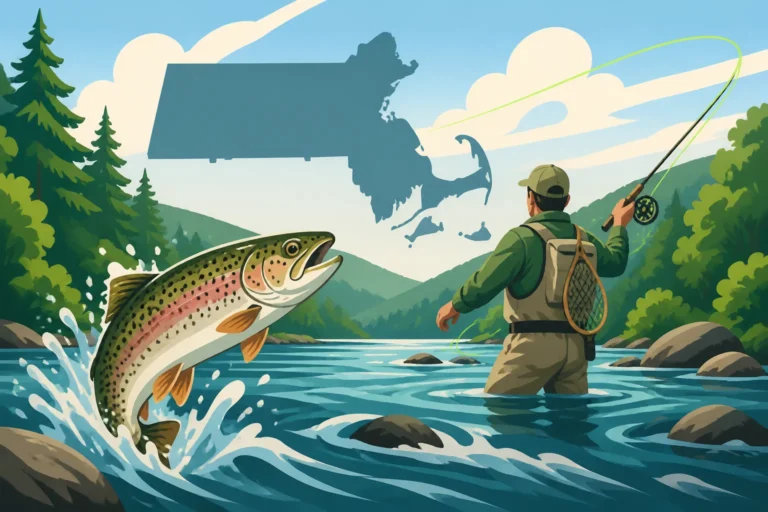
When fall trout stocking happens in Massachusetts
There's nothing quite like the crisp autumn air on a Massachusetts pond or river, but one of the biggest questions on every angler's mind is always, "When are they going to stock the trout?" It can be frustrating trying to nail down exact dates, feeling like you're missing out on prime fishing. This guide is here to demystify the fall trout stocking schedule in Massachusetts, helping you understand when and where to expect these exciting releases so you can plan your perfect autumn fishing trips.
Understanding the Massachusetts Fall Trout Stocking Schedule
Massachusetts anglers often eagerly anticipate the fall trout stocking, a time when fresh fish are introduced into many of the state's public waters. Unlike the massive spring stocking efforts, which are a major event for many towns and draw huge crowds, fall stocking tends to be a bit more subtle, yet equally rewarding for those in the know. It’s an opportunity to experience fantastic trout fishing as the leaves change and the air cools, creating picturesque and often less crowded conditions.
General Timing for Fall Stockings
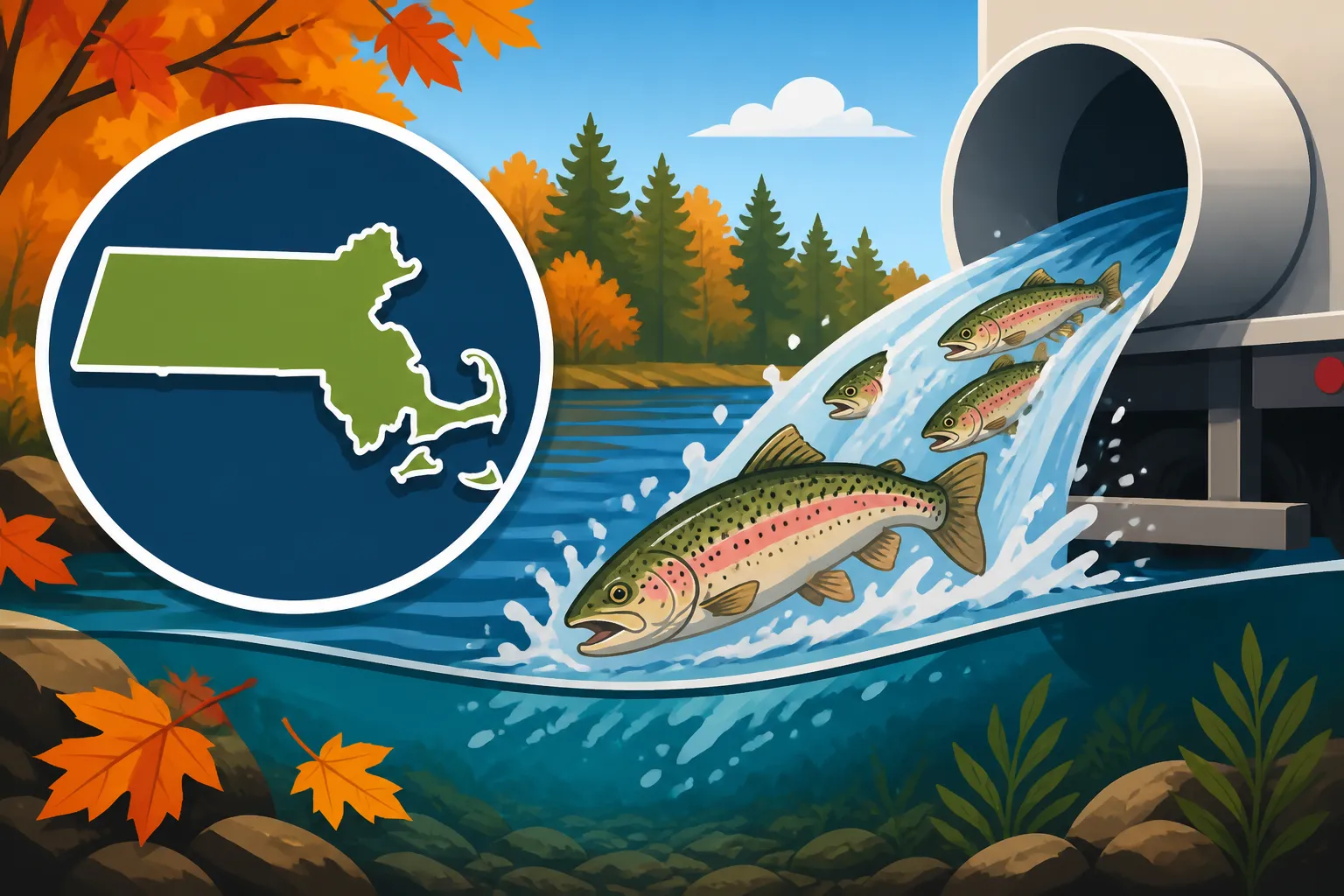
The fall trout stocking season in Massachusetts generally kicks off once water temperatures begin to consistently drop below summer highs, typically starting in late September and continuing through October, and sometimes even into early November, depending on weather patterns and specific district needs. MassWildlife, the state agency responsible for these operations, needs to ensure the water is cool enough for the trout to thrive and disperse effectively. If we experience an unusually warm September, the stocking might be slightly delayed, but by mid-October, most of the designated waters usually receive their share. It's not a single, statewide event on one specific day, but rather a rolling process over several weeks as stocking trucks visit various locations.
These stockings are crucial because many waters that become too warm for trout in the summer can once again support them as autumn arrives. This means familiar spots that might have been barren of trout during July and August can become vibrant fisheries once again. MassWildlife prioritizes maintaining healthy fish populations and providing ample angling opportunities, so they carefully monitor conditions to release trout at the optimal time for their survival and for anglers' success. You'll find that many of the same ponds and rivers that received fish in the spring will also be on the fall schedule, providing a consistent source of excitement.
What Trout Species Are Stocked in Fall?
When MassWildlife conducts its fall stocking, you can expect to see a good mix of species, primarily rainbow trout, brown trout, and brook trout. These are the mainstays of the state's trout program, and they are typically stocked at catchable sizes, meaning they are large enough to be a satisfying target for anglers. While exact sizes can vary slightly from year to year, most stocked trout will be in the 12-18 inch range, offering a solid fight on appropriate tackle. Occasionally, you might even encounter some "broodstock" trout – larger, older fish that have been retired from the hatchery breeding program. These can be absolute giants, offering a truly memorable catch.
The specific mix of species in any given water body often depends on the type of habitat and MassWildlife's management goals for that particular location. For example, some ponds might be perfect for rainbow trout, which are generally quite eager to bite, while certain rivers with colder, more oxygenated water might receive a higher proportion of brown trout, known for their more elusive nature and powerful fights. Brook trout, often considered a native species, are frequently stocked in smaller, colder streams and ponds, adding to the diversity of the fall fishing experience.
For a deeper dive into what fish you might encounter, our guide on Massachusetts Trout Stocking Schedule offers more specific details about the types of trout MassWildlife focuses on and their characteristics. Knowing which species are likely to be present can help you tailor your bait and lure choices, increasing your chances of success. It's worth noting that while these are the primary species, the possibility of encountering a retired brood trout adds an element of surprise to any fall stocking outing.
How MassWildlife Communicates Stocking Information
One of the biggest challenges for anglers is getting timely and accurate information about stocking dates. MassWildlife understands this and does its best to keep the public informed, primarily through its official website. The "Trout Stocking Report" on the MassWildlife website is your absolute best friend during both the spring and fall stocking seasons. This report is updated regularly, sometimes several times a day, to reflect recent stocking events. It lists the water body, the town it's in, and the date it was last stocked.
Beyond the official website, MassWildlife also utilizes its social media channels (like Facebook and Twitter) to announce general updates and highlight recent stockings. Following these accounts can give you real-time notifications, which can be invaluable when trying to hit a freshly stocked pond. Additionally, a dedicated phone line with recorded stocking updates is usually available, providing another avenue for information, especially for those who might not have constant internet access. Local bait and tackle shops are also excellent resources; owners and staff often have up-to-the-minute information and hear whispers of stocking trucks heading their way.
It’s important to remember that MassWildlife doesn't typically announce stocking dates in advance. This is primarily to prevent large crowds from gathering at stocking points, which can be disruptive to the stocking process itself and create unsafe conditions. The information is usually posted after the trout have already been released. This "after-the-fact" reporting means you need to be proactive and check the MassWildlife stocking report frequently if you want to be among the first to cast a line in newly stocked waters.
Why Fall Trout Stocking is a Unique Opportunity
Fall trout stocking isn't just a repeat of spring; it offers a distinctly different and often more enjoyable fishing experience. The changing seasons bring with them shifts in fish behavior, water conditions, and the overall atmosphere by the water's edge. This shoulder season provides a unique window for anglers to pursue trout in ways that aren't always possible earlier in the year.
Cooler Water, Happier Fish
One of the most significant advantages of fall stocking is the rapidly cooling water temperatures. As summer heat gives way to autumn chill, the water in ponds and rivers becomes much more hospitable for trout. Trout are cold-water fish, meaning they thrive in cooler environments, typically preferring water temperatures in the 45-65°F range. During the heat of summer, many Massachusetts waters can become too warm, forcing trout into deeper, cooler pockets or stressing them significantly.
When MassWildlife stocks trout in the fall, these fish are released into water that is rapidly approaching or already within their ideal temperature range. This means less stress for the newly introduced trout, leading to a much higher survival rate and, crucially, more active and willing fish for anglers. Cooler water also holds more oxygen, which invigorates the trout and makes them more likely to feed aggressively. You'll often find these fall-stocked fish to be more energetic fighters than their summer counterparts, providing a more thrilling experience on the end of your line.
Less Angler Pressure (Sometimes!)
While spring trout season can feel like a fishing frenzy, especially on opening day, fall typically sees a noticeable decrease in angler pressure. Many casual anglers have moved on to other activities, or perhaps they've packed away their gear for the winter, making autumn a prime time for those who prefer a bit more solitude. On weekdays, in particular, you might find yourself with an entire stretch of river or a whole pond almost to yourself, allowing for a truly peaceful and contemplative fishing experience.
Of course, popular spots that have just been stocked will still attract a crowd, especially on the first weekend after an announcement. However, generally speaking, the sheer volume of anglers isn't quite the same as in April. This reduced pressure means the fish are often less skittish and more likely to bite, having not seen as many lures or baits. It also provides a wonderful opportunity to explore new waters without feeling like you're constantly competing for space. Don't be surprised if you discover a new favorite fall fishing hole that you might have overlooked in the bustling spring.
Beautiful Scenery and Comfortable Conditions
Beyond the fishing itself, autumn in Massachusetts offers some of the most stunning natural beauty you could ask for. Imagine casting a line while surrounded by vibrant reds, oranges, and golds of changing leaves reflecting on the water. It’s a sensory experience that adds an extra layer of enjoyment to every outing. The crisp, clean air, often devoid of the humidity of summer or the biting cold of deep winter, makes for incredibly comfortable conditions for a day out on the water.
Dressing in layers is key for fall fishing, but the ability to enjoy pleasant temperatures without sweltering or freezing is a real bonus. You can spend hours by the water, soaking in the views and the tranquility, even if the fish aren't biting every minute. This combination of comfortable weather, breathtaking scenery, and active fish makes fall trout stocking one of the most highly anticipated periods for Massachusetts anglers. It’s a chance to reconnect with nature and enjoy the sport in a truly unique setting, making for memorable trips regardless of the size of your catch.
Finding Your Fall Stocking Hotspots
Knowing when the trout are stocked is one thing, but knowing where to go is the other half of the battle. Massachusetts has a vast network of ponds, lakes, and rivers, and MassWildlife carefully selects which ones are suitable for fall trout. By understanding their typical stocking patterns and how to use their resources, you can pinpoint the best local hotspots.
Key Ponds and Rivers for Fall Stocking
MassWildlife tends to stock the same reliable waters year after year for both spring and fall, especially those that have good public access and can sustain trout through cooler temperatures. For ponds, look for ones designated as "trophy trout ponds" or those with deeper sections that provide thermal refuge. Many larger ponds throughout the state, from the Berkshires to the Cape, will receive fall stockings. Think about places like Lake Chauncy in Westborough, Long Pond in Lakeville, or the many ponds around the Wachusett and Quabbin Reservoir watersheds. These often appear on the Massachusetts Trout Stocking Schedule.
Rivers and larger streams are also prime candidates, particularly those with good flow and cold-water sources. The Westfield River, Swift River (especially below Quabbin), Deerfield River, and sections of the Connecticut River are known for their trout populations and frequently receive supplementary stockings. Smaller streams often get a boost too, particularly if they are easily accessible and managed for recreational angling. Checking the MassWildlife stocking report for your specific region is always the most accurate way to know which local waters are being targeted.
It's helpful to understand that MassWildlife prioritizes accessible locations to ensure a wide range of anglers can enjoy the stocking benefits. These often include state parks, municipal ponds with public boat launches or shore access, and sections of rivers flowing through public lands. Familiarizing yourself with the Best Fishing Spots in Massachusetts overall will give you a good head start, as many of those prime locations will also be on the fall stocking list.
Utilizing MassWildlife's Stocking Reports
As mentioned earlier, the MassWildlife Trout Stocking Report is indispensable. It’s typically organized by county and then by town and water body. To use it effectively, bookmark the page on your browser and check it frequently, especially starting in late September. When you see your preferred pond or river listed with a recent date, it’s time to hit the water! The report shows not only the date of the stocking but also often indicates the species and sometimes even the number of fish stocked. This level of detail helps you assess the potential of a given spot.
For instance, if you live in Worcester County, you would navigate to that section of the report. You might see entries like "Webster Lake, Webster – 10/15/202X – Rainbow Trout." This tells you exactly where and when fish were released. It's not uncommon for popular spots to receive multiple stockings throughout the fall, so even if you miss the first wave, there might be subsequent opportunities. This diligent checking is the key to timing your trips perfectly and being among the first to experience the freshly stocked action.
Keep in mind that while MassWildlife strives for accuracy, updates are manual, and there might be a slight delay between the actual stocking and when it appears online. Patience and persistence in checking the report are your best allies. You can also cross-reference with our guide on Massachusetts Freshwater Daily Catch Limits to ensure you're aware of any specific regulations for the waters you plan to fish.
Local Bait Shops and Communities
Never underestimate the power of local knowledge! Your local bait and tackle shop isn't just a place to pick up a new spinner or a fresh tub of PowerBait; it's a hub of information and community. Shop owners and their regulars are often the first to hear about stocking truck sightings or to notice freshly stocked fish in nearby waters. They might have insights that aren't yet on the official online report, or they can offer tips specific to the local conditions and the behavior of recently stocked trout.
Engaging with online fishing communities, such as local Massachusetts fishing forums or Facebook groups, can also be incredibly beneficial. Anglers often share their success stories, photos of their catches, and even sometimes report sightings of stocking trucks in their area. These communities can be a great way to gauge where the action is happening, learn new techniques, and even find fishing buddies. Just remember to share your own successes and observations respectfully and responsibly, contributing to the helpful spirit of the community. These informal networks complement the official MassWildlife reports perfectly, giving you multiple angles to track down the best fall fishing opportunities.
Gear and Tactics for Fall Stocked Trout
Fall trout fishing, especially for recently stocked fish, can be incredibly rewarding, but having the right gear and understanding a few key tactics can make all the difference. The cooler water and changing environment mean that trout might behave a little differently than they did in the warmer months, making slight adjustments to your approach beneficial.
Essential Gear for Autumn Angling
When heading out for fall trout, a good light to medium-light spinning rod (6-7 feet long) paired with a matching reel spooled with 4-6 lb test monofilament or fluorocarbon line is typically ideal. This setup provides enough sensitivity for detecting subtle bites and enough backbone to handle a feisty rainbow or brown. Don't forget a small selection of hooks (sizes 8-12), split shot weights, and swivels. A small net is also incredibly useful for safely landing fish, especially if you plan on catch and release. Many of these essential items, from rods to tackle boxes, can be found readily on Amazon, allowing you to stock up conveniently.
Beyond your core fishing gear, proper clothing is paramount for fall comfort. Layers are key. Start with a moisture-wicking base layer, add a fleece or wool mid-layer for warmth, and top it with a waterproof and windproof outer shell. A warm hat and gloves are often indispensable, especially on chilly mornings. Waterproof boots are also a must, as damp ground and unexpected puddles are common. Remember, comfort on the bank translates directly to more enjoyable and focused fishing time, so invest in quality outdoor apparel.
Best Baits and Lures for Fall Trout
Stocked trout are often opportunistic feeders, and fall is no exception. For bait fishing, PowerBait (especially in bright colors like chartreuse, orange, or rainbow), small worms (like mealworms or garden worms), and small shiners or fatheads are consistently effective. Present these on a small hook with a minimal amount of weight to allow for a natural drift. Fishing with a bobber can also be very effective, allowing your bait to suspend at various depths where trout might be holding. Our guide on Best Bait for Trout Fishing in Massachusetts offers a deeper dive into specific bait presentations.
When it comes to lures, small inline spinners (such as Rooster Tails or Mepps Aglias) in silver, gold, or brass finishes, ranging from 1/16 to 1/8 ounce, are fantastic for covering water and enticing aggressive strikes. Small spoons like Kastmasters or Little Cleos also work wonders, especially in open water. Vary your retrieve speed and depth until you find what the fish prefer. For those who enjoy fly fishing, fall can be an excellent time to target trout with streamers mimicking baitfish or nymph patterns, particularly in rivers. Check out Fly Fishing for Trout in Massachusetts Rivers for more specialized techniques. Experimentation is key; trout can be finicky, so if one thing isn't working, don't be afraid to switch it up!
Understanding Fall Trout Behavior
Fall trout behavior is largely influenced by the cooler water temperatures and the shorter daylight hours. As the water cools, trout become more active and less sluggish than they might have been in the summer. They will often spread out more widely throughout a water body, not just concentrating in the deepest, coolest spots. This means you might find them cruising shallower areas, especially during midday when the sun has had a chance to warm the water slightly.
Additionally, as wild trout begin to think about spawning (particularly brown trout), they can become more aggressive and territorial, making them more susceptible to strikes on lures or flies. While stocked trout might not have the same instinctual drive, they often mimic these behaviors in the cooler water, leading to more enthusiastic bites. Focus your efforts around structure such as fallen logs, submerged rocks, weed lines, and drop-offs. These areas provide cover and ambush points for actively feeding fish. The best time of day can often be later in the morning after the water has had a chance to warm, through the afternoon. Early mornings can be productive too, but be prepared for colder temperatures.
| Feature | Spring Stocking (General) | Fall Stocking (General) |
|---|---|---|
| Typical Timing | March to May | Late September to Early November |
| Water Temperature | Warming, often still cold | Cooling, ideal for trout |
| Angler Pressure | Very High (especially early season) | Moderate to Low (quieter season) |
| Trout Activity | High, eager after winter | High, invigorated by cool, oxygenated water |
| Primary Species Stocked | Rainbow, Brown, Brook | Rainbow, Brown, Brook (often includes broodstock) |
| Scenery | Emerging greenery | Vibrant fall foliage, crisp air |
| Key Advantage | First opportunity after winter, large numbers | Active fish, less crowded, beautiful environment |
Remember to always adhere to the current Massachusetts Recreational Fishing Rules and Bag Limits and ensure you have a valid Massachusetts Fishing License Guide before you cast a line. You can even check out how to manage your license with our guide on Massachusetts Fishing License Renewal Guide. Enjoy the fantastic fall fishing Massachusetts has to offer!
Disclaimer
Please remember that fishing conditions and regulations can change. Always consult the official Massachusetts Division of Fisheries and Wildlife (MassWildlife) website for the most current stocking reports, licensing requirements, and fishing regulations before heading out on your trip. This guide is for informational purposes only.