Are American Eels Common in Massachusetts Rivers?
If you've ever spent time fishing or even just walking along a river in Massachusetts, you might have caught a glimpse of something long, slender, and distinctly serpentine slipping through the water. It’s a common moment of confusion for many anglers: "Was that an eel? Or something else entirely?" The good news is, if you're wondering if American Eels make their home in our local rivers, the answer is a resounding yes! This guide will dive deep into where and why these fascinating creatures are so common, how to tell them apart from other species, and their vital role in our aquatic ecosystems.
The Ubiquitous American Eel in Massachusetts Waters
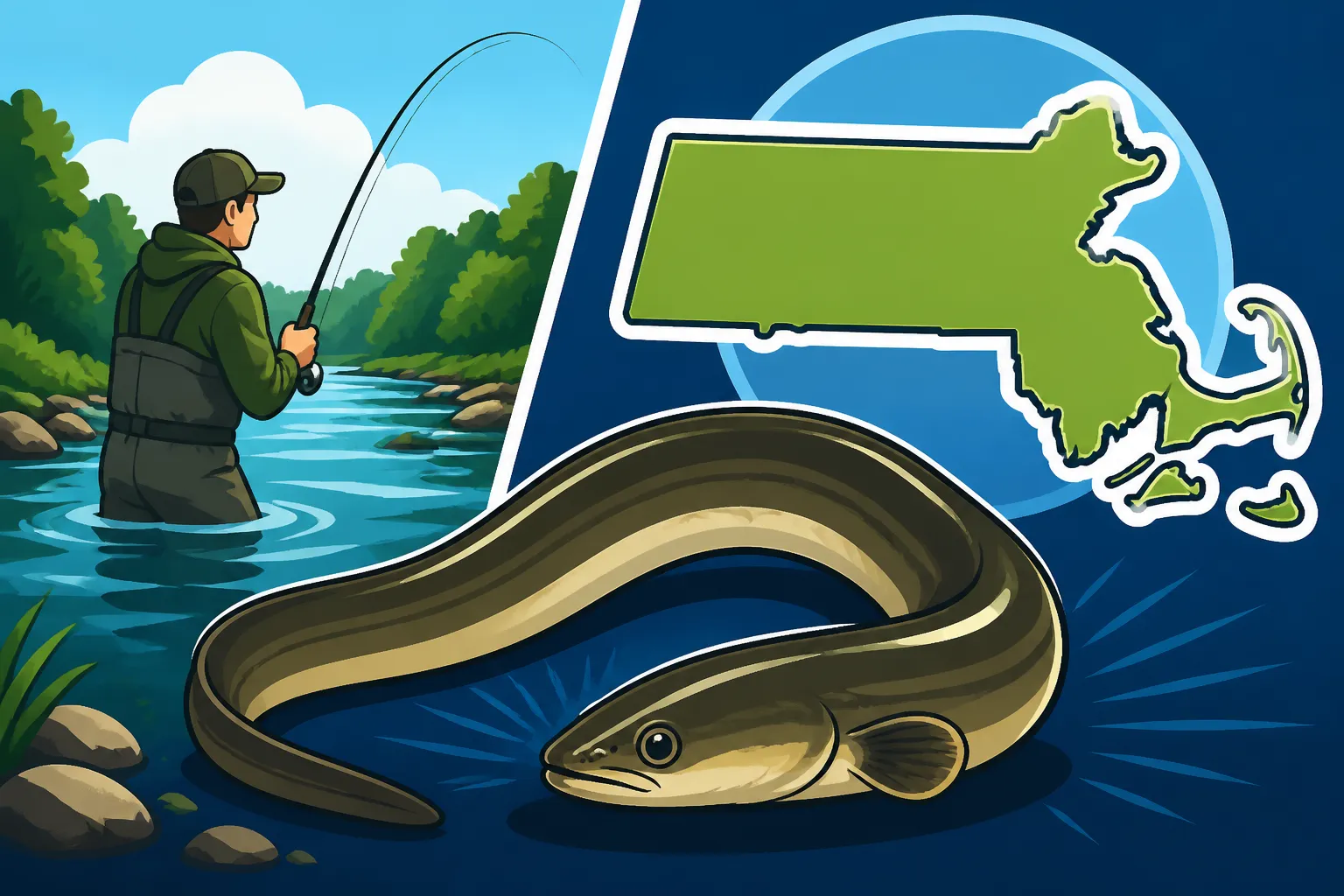
The American Eel ( Anguilla rostrata) is, without a doubt, a prevalent and important resident in many of Massachusetts's freshwater and estuarine environments. Unlike many fish that are "anadromous" (meaning they live in saltwater and spawn in freshwater, like salmon), American Eels are "catadromous." This means they spend the majority of their adult lives in freshwater rivers, ponds, and lakes, but then migrate out to the ocean to spawn. This unique life cycle is precisely why you'll find them so far inland, sometimes many miles from the nearest saltwater.
From the mighty Connecticut River Fishing in Massachusetts and the Merrimack River Fishing Spots Near Haverhill and Lowell, Massachusetts all the way down to smaller, more unassuming streams and estuaries, American Eels navigate impressive distances. They're incredibly adaptable, thriving in a variety of conditions, from muddy river bottoms to rocky crevices and dense aquatic vegetation. You might not always see them, as they are primarily nocturnal, preferring to hunt and move under the cover of darkness. But rest assured, they are there, diligently contributing to the health and balance of our aquatic world.
A Life of Journey: Catadromous Migration
Understanding why American Eels are so common in our rivers really boils down to their extraordinary life cycle. Every American Eel, regardless of where it's found in North America, begins its life in the Sargasso Sea, a vast, calm body of water in the Atlantic Ocean. Here, adult eels spawn and then die. Their tiny, leaf-shaped larvae, called leptocephali, drift on ocean currents, slowly transforming into transparent "glass eels" as they approach the North American coast.
These incredibly delicate glass eels then undertake an epic journey, entering estuaries and pushing upstream into freshwater rivers and streams across Massachusetts. It's a truly remarkable migration, with millions of these tiny creatures moving against the current, often at night, seeking out suitable freshwater habitats. They can live in these freshwater systems for many years – sometimes over a decade, growing into what are known as "yellow eels" – before they transform again into "silver eels," change physiologically, and begin their long return migration to the Sargasso Sea to spawn the next generation. This long residency in our rivers makes them a consistent presence.
Preferred Habitats and Hiding Spots
When you're out exploring Best Fishing Spots in Massachusetts or even just observing wildlife along a riverbank, it helps to know where eels like to hang out. American Eels are masters of camouflage and seclusion. They prefer areas with plenty of cover, which makes them feel safe during the day and provides ambush points for nocturnal feeding. Think about places like:
- Soft, Muddy Bottoms: They love to burrow into the mud and silt at the bottom of rivers and ponds. This offers protection from predators and a place to rest during daylight hours.
- Submerged Structure: Rocks, logs, fallen trees, old tires, and even bridge abutments provide excellent hiding spots. If you're fishing near any kind of underwater debris, there's a good chance an eel might be lurking.
- Dense Vegetation: Thick weed beds, lily pads, and cattails offer both cover and a rich hunting ground for smaller prey.
Because they are so adept at hiding, you might not spot an eel even if one is just feet away. But if you've ever felt a strong, persistent tug that wraps your line around something unseen at the bottom, there’s a decent chance you've encountered one of these slippery residents.
Distinguishing American Eels from Other River Dwellers
It's natural for anglers, especially those new to freshwater environments, to sometimes confuse an American Eel with other long, snake-like creatures found in Massachusetts rivers. The most common look-alike, and one that often causes alarm, is the sea lamprey. Understanding the key differences is crucial for identification and appreciating the unique biology of each species. For a broader understanding of various aquatic life, a good Massachusetts Fish Identification Guide can be incredibly helpful, often available as physical books or digital versions on platforms like Amazon.
Eel vs. Lamprey: Key Identification Points
While both American Eels and sea lampreys have elongated, snake-like bodies, that's pretty much where the strong resemblance ends. Once you know what to look for, telling them apart is quite straightforward. Here’s a quick comparison:
| Feature | American Eel (Anguilla rostrata) | Sea Lamprey (Petromyzon marinus) |
|---|---|---|
| Body Shape | Slender, cylindrical, covered in tiny scales (often appears scaleless), very slippery with a mucous layer. | Slender, cylindrical, completely scaleless and smooth. |
| Fins | Distinct pectoral fins behind the head; continuous dorsal, caudal, and anal fins forming a single fringe along back, tail, and belly. | No paired fins; two separate dorsal fins; no anal fin. |
| Mouth | Terminal mouth with distinct upper and lower jaws, containing small teeth. | Round, disc-like suctorial mouth, filled with concentric rows of rasping teeth. |
| Eyes | Clearly visible, small, and functional eyes. | Clearly visible eyes. |
| Gill Slits | Single, slit-like gill opening on each side of the head. | Seven distinct, small, circular gill openings on each side of the head. |
| Coloration | Typically brownish-green to yellowish-brown on the back, lighter on the belly. | Dark brown to blackish-blue on the back, lighter on the belly, often mottled. |
| Lifestyle | Free-swimming predator and scavenger. Spends years in freshwater. | Parasitic (adults) or filter-feeder (larvae). Spawns in freshwater, adults return to ocean. |
As you can see, the mouth and gill structures are the biggest giveaways. An eel has a familiar fish-like mouth with jaws, while a lamprey has that unsettling suction disc. You can often find detailed anatomical diagrams in comprehensive Freshwater Fish Species in Massachusetts guides, many of which can be purchased on Amazon.
Other Eel-Like Fish in Freshwater
While the sea lamprey is the most common confusion, occasionally other species might cause a double-take, though they are much less "eel-like" upon closer inspection. Some very long, slender fish species might momentarily trick the eye, but their fin structures, coloration, and overall body plans are quite different from the American Eel. For example, some anglers might mistake a very large creek chub or even a young northern pike, but these fish possess clear, distinct fins and more robust bodies. Always refer to a good fish identification guide if you're unsure.
The Ecological Role and Angling Potential of American Eels
Beyond just being "common," American Eels play a crucial, often unseen, role in the aquatic ecosystems of Massachusetts. They are survivors, adaptable, and form an integral part of the food web. For anglers, they present an interesting dynamic, sometimes as an incidental catch, other times as highly prized bait.
Eels as Ecosystem Engineers
American Eels are not just passively present; they are active contributors to the health of our rivers and ponds. Their role in the ecosystem includes:
- Scavengers and Predators: Eels are opportunistic feeders. As scavengers, they help clean up the river bottom by consuming dead or decaying organic matter. As nocturnal predators, they feed on a variety of invertebrates, insects, small fish, and even crustaceans. This helps to regulate populations of smaller organisms and maintain balance.
- Prey Species: Despite their elusive nature, eels are a vital food source for a wide array of larger predators. Larger fish, such as Striped Bass Fishing in Massachusetts, love to feast on eels. Birds of prey like ospreys and eagles, as well as mammals like otters and raccoons, also target eels, especially during their migratory phases. This makes them a critical link in the energy transfer within the food web.
- Habitat Creation: Their burrowing habits can help aerate sediments and create microhabitats for other small organisms, subtly influencing the physical structure of the riverbed.
Their very presence indicates a relatively healthy aquatic environment, as their migratory life cycle means they need clean, unobstructed waterways to travel between the ocean and their freshwater homes.
Fishing for Eels (or Using Them as Bait)
While not a primary target species for most recreational anglers in Massachusetts, eels are definitely caught, sometimes intentionally, but more often as an incidental catch when targeting other bottom-dwelling fish. They are renowned for their incredible sliminess and tenacious fighting spirit once hooked!
If you were to specifically target eels, you'd typically fish at night, using baits like worms, cut fish, or even bits of hot dog on the bottom. Eels have a keen sense of smell, making scent a critical factor. Heavy tackle is often recommended not because of their size, but because of their ability to tangle lines around submerged structures. For those interested in specialized gear, robust fishing lights or even unique eel traps can be found through retailers like Amazon.
Perhaps the most significant angling interaction with American Eels in Massachusetts is their use as bait. Live or cut eels are considered prime bait for large game fish, particularly trophy striped bass. Many experienced surfcasters and boat anglers swear by eels for targeting big "stripers," especially at night in places like the Cape Cod Canal or around rocky structures. The natural movement and scent of a live eel are almost irresistible to a hungry bass. If you're looking to stock up on bait, ensuring you have the right bait-keeping equipment, like durable aerated buckets, can also be researched and purchased on Amazon.
Regulations and Conservation of American Eels
Given their widespread presence and ecological importance, it's fair to wonder about the regulations surrounding American Eels in Massachusetts. While they might not be the focus of the same stringent rules as some game fish, their migratory nature means they are subject to various considerations.
Are There Rules for Catching Eels?
For recreational anglers in Massachusetts, American Eels are generally considered a "forage" species rather than a regulated game fish with specific size and bag limits. This means that typically, there aren't explicit daily limits or minimum sizes for eels themselves, unlike species covered under Massachusetts Recreational Fishing Rules and Bag Limits. However, this doesn't mean it's a free-for-all.
- General Fishing License: Anyone fishing in Massachusetts, regardless of what they are targeting, usually needs a valid Massachusetts Fishing License Guide. This applies whether you're fishing for eels, trout, or bass. It's a fundamental requirement. You can learn about specific age requirements in articles like Massachusetts Fishing License Requirements by Age.
- Commercial Regulations: It's important to note that commercial harvesting of eels is a different story and is subject to strict state and federal regulations, often involving permits, quotas, and specific gear restrictions. The sale of eels caught recreationally is generally prohibited.
- Check the Latest Regulations: Fishing regulations can change, and it's always best practice to consult the most current Massachusetts fishing regulations pamphlet, available from MassWildlife or their website, or through a local tackle shop. While eels might not have specific seasons, the general Massachusetts Freshwater Fishing Season Calendar and its associated rules would apply to the waters you're fishing.
So, while you might not find a dedicated "eel season," adherence to general licensing and ethical fishing practices is always expected.
Conservation Status and Efforts
Despite their commonality in Massachusetts rivers, the broader population of American Eels has faced challenges in recent decades. Habitat loss, damming of rivers (which blocks their migration), pollution, and historical overfishing in some areas have all contributed to concerns about their long-term health.
Conservation efforts are underway to protect and restore American Eel populations. These include:
- Dam Removal and Fishways: Projects to remove obsolete dams or install "eel ladders" and fish lifts help these incredible migrants bypass obstacles and access their critical freshwater habitats. This is a huge undertaking in many river systems.
- Habitat Restoration: Improving water quality and restoring riparian habitats along rivers and streams creates healthier environments for eels to live and thrive.
- Monitoring and Research: Scientists constantly monitor eel populations, particularly the influx of glass eels into estuaries, to track their numbers and better understand their migratory patterns and health. This research informs management decisions.
- Regulation of Commercial Harvest: Strict regulations on commercial eel fishing aim to ensure sustainable harvesting practices and protect breeding populations.
While you might only see a small part of their life cycle, every American Eel you encounter in a Massachusetts river is a testament to an incredible journey and an important part of our natural heritage. Recognizing their presence and understanding their ecological value helps us all appreciate the rich biodiversity of our local waterways. Next time you're on the water, keep an eye out for these slippery, yet truly amazing, residents.
Disclaimer
This article is for general informational purposes only and does not constitute professional advice. Laws, prices and regulations vary by location and change over time. Consult a qualified professional for guidance on your specific situation.