How to fish plastic worms for largemouth bass
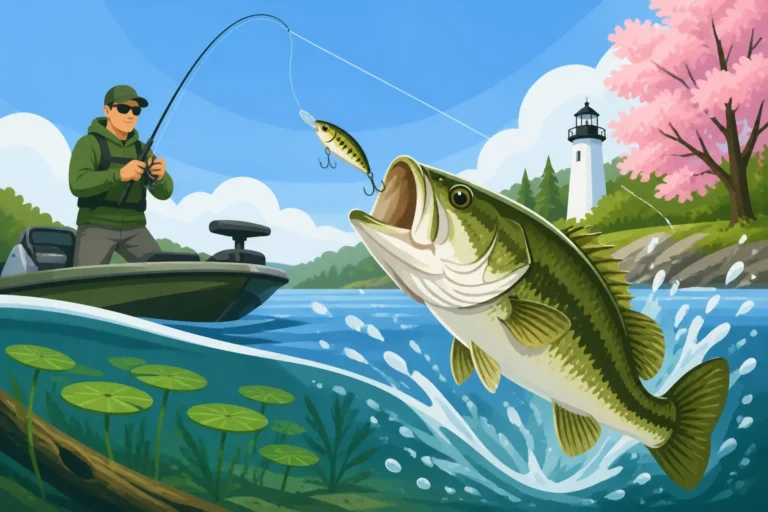
It can be incredibly frustrating to know that plump largemouth bass are lurking in your favorite Massachusetts pond or lake, but they just aren't biting your spinnerbaits or crankbaits. Sometimes, you need a presentation that's more subtle, more natural, and utterly irresistible. This guide is all about demystifying the art of fishing plastic worms for largemouth bass, helping you unlock those tricky bites and land more fish, even when they're being finicky.
Understanding Largemouth Bass Behavior in Massachusetts
Before you even think about rigging a plastic worm, it's essential to get inside the head of a largemouth bass, especially those in our Massachusetts waters. These fish aren't just random swimmers; they have habits, preferences, and patterns dictated by their environment and the seasons. Knowing why and where they'll be is half the battle won, making your plastic worm presentation far more effective.
Seasonal Patterns and Bass Movement
Think about the year in Massachusetts, and how the bass change their routine. In the early spring, when the water is still chilly, bass are often sluggish. They're trying to conserve energy, so they'll hug structure like submerged logs, rocks, or weed lines in shallower, warmer waters, waiting for an easy meal. This is a prime time for slow, deliberate presentations of plastic worms right on their noses. As the water warms into summer, bass become much more active, but they also seek shade and cooler temperatures during the hottest parts of the day. You might find them deeper, in the middle of weed beds, or tucked under lily pads. This calls for weedless rigs and precision casting. When fall arrives, and the water starts to cool again, bass go on a feeding frenzy, bulking up for winter. They'll often move to slightly deeper humps, points, and along drop-offs, actively chasing baitfish. Understanding these patterns, which you can read more about in our guide to Massachusetts Freshwater Fishing Season Calendar, helps you determine where to cast your worm.
During the spawning season, usually late spring to early summer depending on water temperature, bass will be guarding nests in very shallow water. While it's often best to let them do their thing undisturbed, if you do fish near a bed, a plastic worm dropped directly onto the nest can sometimes provoke a territorial strike. However, remember to practice catch and release at this sensitive time. These seasonal shifts are crucial because a technique that works in June might be completely useless in October.
What Makes Bass Strike a Plastic Worm?
So, why do bass love plastic worms? It's all about mimicry and provocation. A well-presented plastic worm, especially a soft, lifelike one, can perfectly imitate a struggling baitfish, a crawfish scuttling across the bottom, or even a leecheswimming along. The subtle undulations of the tail, the slow sink, and the lifelike texture are all designed to trick a bass's senses. Sometimes, it's not even about hunger; it's about irritation. A plastic worm invading their personal space or near a spawning bed can trigger an aggressive, defensive strike.
The key is often presentation. Bass are masters of their environment, and they've seen a lot of lures. A plastic worm, when fished correctly, offers a natural, unthreatening profile that can fool even the wariest of fish. It allows for a very slow, methodical retrieve that keeps the bait in the strike zone longer, giving a hesitant bass more time to commit. It’s less about a fast, flashy chase and more about a tempting, easy meal or an annoying intruder they want to eliminate.
Essential Gear for Plastic Worm Fishing
You wouldn't use a sledgehammer to tap in a nail, and the same goes for fishing plastic worms. Having the right gear isn't just about comfort; it's about maximizing sensitivity, casting accuracy, and the ability to feel those subtle bites that can be the difference between a productive day and going home empty-handed. When it comes to fishing for Largemouth Bass Fishing in Massachusetts, having the proper setup makes a huge difference.
Rod and Reel Setup for Sensitivity
For plastic worm fishing, sensitivity is paramount. You need to feel every bump, every twitch, and especially every subtle bite. A medium-heavy to heavy power spinning or baitcasting rod, typically 6'6" to 7'6" in length, is ideal. Look for a fast action tip, which means the top third or so of the rod bends easily, giving you that crucial feedback while maintaining enough backbone to set the hook firmly. Graphite rods are generally preferred over fiberglass for their superior sensitivity and lighter weight. A good quality rod from a brand you trust, easily found on a platform like Amazon, will make a noticeable difference in your ability to detect bites.
Pair this rod with a smooth, reliable reel. For spinning setups, a 2500-3000 series reel is usually a good fit, offering a good balance of line capacity and retrieve speed. For baitcasting, a reel with a moderate gear ratio (around 6.x:1) gives you versatility for various retrieve speeds. The goal is to have a setup that feels balanced in your hand, allowing you to cast accurately all day without fatigue and to feel everything that's happening at the end of your line.
Choosing the Right Plastic Worms and Hooks
The variety of plastic worms out there is staggering: straight worms, ribbon tail worms, stick baits, creature baits, finesse worms—the list goes on. For largemouth bass in Massachusetts, a good starting point includes 6- to 10-inch ribbon tail worms (like a Berkley Power Worm or Zoom Ol' Monster) for general applications, and 4- to 6-inch stick baits (like a Yamamoto Senko) for a more subtle, slower fall. Color choice can be crucial too; natural colors like green pumpkin, junebug, or black and blue are always reliable, especially in clearer waters, while brighter colors like bubblegum or chartreuse might provoke strikes in murky conditions. Experimentation is key! You can find a vast selection of these on Amazon, often with reviews from other anglers.
Hooks are equally important. For Texas rigging, you'll want an Extra Wide Gap (EWG) hook, typically sized 3/0 to 5/0, depending on the size of your worm. The wide gap ensures proper hook penetration. For wacky rigging, a specialized wacky rig hook (often an O-ring hook) or a small, thin wire circle hook will work well. Always choose sharp, strong hooks. If your hooks aren't sharp, you'll miss a lot of fish.
Lines and Weights for Different Conditions
Your line choice depends on your preference and the fishing conditions. Many anglers prefer fluorocarbon line (12-20 lb test) for plastic worm fishing because of its low stretch, high sensitivity, and near invisibility underwater. It transmits vibrations incredibly well, helping you feel even the lightest taps. However, braided line (20-40 lb test) with a fluorocarbon leader (12-20 lb test) is also a popular choice, especially in heavy cover, due to its superior strength, no-stretch sensitivity, and casting distance. The leader provides the stealth, while the braid gives you the power.
Weights are used to get your worm down to the fish. Tungsten weights are highly favored over lead because they are denser (allowing for a smaller profile for the same weight), and they transmit bottom contact and bites much more effectively. Bullet weights (1/8 oz to 1/2 oz) are common for Texas rigs, while Mojo weights or Carolina rig weights are used for their namesake rig. Choosing the right weight depends on depth, wind, current, and the desired fall rate of your worm. On days when the fish are finicky, a lighter weight that allows for a slower, more natural fall can often make all the difference.
Mastering Plastic Worm Rigging Techniques
The beauty of plastic worms lies in their versatility. There isn't just one way to rig them, and mastering a few different techniques will make you a much more adaptable and successful bass angler in Massachusetts. Each rig has its specific strengths and situations where it shines.
The Texas Rig: Weedless and Versatile
The Texas rig is arguably the most fundamental and widely used plastic worm rigging technique, and for good reason. It makes your worm virtually weedless, allowing you to punch through dense vegetation, drag over submerged logs, and bounce off rocks without constantly snagging. To rig a Texas rig, start by inserting the hook point into the head of the worm about a quarter to a half-inch, then push it through so the point exits the bottom. Slide the worm up the hook shank until the eye of the hook is embedded in the head. Rotate the hook 180 degrees, then measure where the hook point would naturally lie flat against the worm's body. Push the hook point back into the worm, ensuring it lies flush and the worm hangs straight. The point should be just barely buried in the plastic to keep it weedless.
You can fish a Texas rig with or without a weight. If using a weight, a bullet weight is typically threaded onto the line before tying on your hook. Some anglers peg the weight to the line with a toothpick or a stopper to keep it from sliding, especially when fishing in heavy cover. The Texas rig is incredibly effective for working through cover where bass love to hide, making it perfect for ponds and lakes with abundant weeds, lily pads, or submerged wood. It allows for a very subtle, vertical presentation when dropping into pockets or along weed edges.
The Carolina Rig: Covering More Water
When bass are scattered or holding in deeper water, and you need to cover a lot of ground quickly, the Carolina rig steps up to the plate. This rig consists of a heavy weight (often a half-ounce to one ounce bullet or egg sinker) threaded onto your main line, followed by a bead (to protect your knot), then a swivel. Off the other end of the swivel, you tie a leader of fluorocarbon line, typically 2-4 feet long, and then your plastic worm, usually Texas rigged. The heavy weight helps you cast long distances and rapidly sink to the bottom.
The genius of the Carolina rig is that the weight drags along the bottom, stirring up silt and attracting attention, while your plastic worm floats or slowly wafts behind on the leader, presenting a natural, unweighted action. It’s fantastic for fishing points, humps, and large, open areas of the lake or pond where bass might be cruising for bait. This setup allows you to present a bait subtly without having to use a super light line for sensitivity, as the heavy weight helps transmit bottom composition and bites. You might find a wide range of Carolina rig components available through retailers like Amazon, making it easy to assemble this effective setup. It's a fantastic technique for finding actively feeding bass, especially those relating to slight changes in bottom contour.
Wacky Rigging and Senkos: Subtle Presentation
If there's one plastic worm presentation that consistently tricks wary bass with its sheer simplicity and effectiveness, it's the wacky rig, especially when paired with a stick bait like a Yamamoto Senko. A wacky rig involves simply hooking a stick bait through its middle, allowing both ends of the worm to quiver and pulsate alluringly as it falls through the water column. The action is incredibly natural and irresistible to bass. It's often fished weightless or with a very small nail weight inserted into one end for a slightly faster fall.
The beauty of the wacky rig is its subtle, slow-falling action. It doesn't look like an injured baitfish trying to escape; it looks like a living creature slowly descending, an easy meal. This makes it perfect for targeting bass in clear water, around docks, under trees, or in sparse cover where a more aggressive presentation might spook them. You can cast it, let it slowly sink, give it a subtle twitch, and then let it fall again. The bites on a wacky rig are often light "thumps," so a sensitive rod, like those mentioned in Rod and Reel Setup for Sensitivity, and good line feel are critical. This technique is deadly on pressured fish and is a must-have in your arsenal for How to Catch Largemouth Bass in Massachusetts Ponds.
Effective Retrieval Techniques for Plastic Worms
Simply casting a plastic worm out and reeling it back in usually won't cut it. The magic happens in the retrieve, in how you impart action to that piece of plastic. Each retrieve technique is designed to mimic something specific or to provoke a particular reaction from the bass. Getting good at these will significantly increase your hook-up ratio.
The Drag and Pause Method
The drag and pause, or "lift and drop," is the bread and butter retrieve for many plastic worm presentations, especially the Texas rig. After your worm hits the bottom, let it sit for a few seconds. Then, slowly lift your rod tip from a 9 o'clock to an 11 o'clock position, dragging the worm along the bottom. This simulates a crawfish scuttling or a baitfish rooting around. Once your rod tip is high, slowly drop it back down to 9 o'clock, reeling in any slack line as you do so. This allows the worm to fall naturally, often triggering a strike as it descends.
The key here is patience. Bass often hit on the pause or the fall. That moment when the worm is sitting motionless on the bottom, or gently spiraling down, is when a curious bass often decides to investigate and strike. Don't be afraid to leave it motionless for a full 5-10 seconds, especially if the water is cold or the fish are inactive. Pay close attention to your line during the fall; any twitch, jump, or sudden slack could indicate a bite.
Twitching and Jerking for Reaction Strikes
While subtle is often best, sometimes a more aggressive approach is needed to elicit a reaction strike, especially when bass are actively feeding or defending territory. This is where twitching and jerking come in, primarily used with Texas rigs or weightless worms. After your cast, let the worm sink to your desired depth or to the bottom. Instead of a slow drag, use short, sharp twitches of your rod tip, then pause. These twitches make the worm dart and jump, mimicking an injured or fleeing baitfish.
A more aggressive jerking motion can create even more commotion. This works well when bass are aggressive or when you're trying to draw them out of heavy cover. The sudden, erratic movement can tap into a bass's predatory instinct, making them strike without much thought. Remember to always allow a pause after your twitch or jerk; many strikes occur when the bait is momentarily still, allowing the bass to zero in. Adjust the intensity of your twitches and jerks until you find what the fish are responding to on a given day.
Reading the Bite and Setting the Hook
This is where many anglers, especially beginners, struggle. Plastic worm bites can be incredibly subtle. You might feel a faint "tick," a slight increase in line tension, or sometimes, paradoxically, a sudden slack in your line as a bass picks up the worm and swims towards you. Sometimes, it feels like your line is just getting heavy, or like a sponge, rather than a distinct strike. These are all indicators that a bass has your worm. A sensitive rod and reel, combined with the right line, are absolutely essential here.
Once you suspect a bite, don't hesitate. Drop your rod tip slightly towards the fish, reel in any slack until you feel tension, and then execute a sharp, powerful hookset by sweeping your rod upwards and to the side, maintaining tension as you reel. Remember, a plastic worm often has a thicker body, and the hook needs to penetrate plastic, then bone, so a strong hookset is crucial. Don't be afraid to swing for the fences! Missing a few hooksets is better than missing a lot of bites because you were too tentative.
Massachusetts-Specific Considerations for Plastic Worms
Fishing in Massachusetts, with its diverse waterways, presents unique opportunities and challenges. What works in a small, weedy pond in Central Massachusetts might be different from fishing a deep, rocky lake in the Berkshires. Knowing how to adapt your plastic worm strategies to local conditions and regulations is key to consistent success. You can find comprehensive information in the Massachusetts Fishing Regulations Pamphlet, Explained.
Targeting Bass in Different Massachusetts Water Bodies
Massachusetts boasts an incredible variety of freshwater fishing opportunities, from the numerous ponds dotting the landscape to larger reservoirs and rivers. For small, shallow, and often weedy ponds, a weightless wacky rig or a lightly weighted Texas rig is often king. These presentations allow for a slow, natural fall into weed pockets and along the edges of lily pads where bass ambush prey. Places like Lake Quinsigamond or Long Pond offer classic pond fishing where these techniques can shine.
In larger, deeper lakes and reservoirs, such as Quabbin Reservoir (though bass are not the primary target here, they are present) or Otis Reservoir, you'll want to focus on deeper structure. Think about using a Carolina rig to cover broad flats, humps, and points, or a heavily weighted Texas rig to get down to deep brush piles and rock structures. The type of water body directly influences the depth, cover, and forage available, which in turn dictates the best worm presentation. Researching local fishing reports or consulting local bait shops for particular bodies of water can give you an edge. Many of Massachusetts's best fishing spots for Best Freshwater Ponds and Lakes in Massachusetts are perfect for plastic worm fishing.
Adapting to Local Regulations and Conditions
Massachusetts has specific fishing regulations that apply to all anglers, including those targeting largemouth bass. While there isn't a closed season for bass, there are typically daily catch limits and sometimes size limits. It's imperative to consult the current Massachusetts Freshwater Daily Catch Limits and general fishing regulations before heading out. For instance, while there might not always be a specific Is There a Size Limit for Largemouth Bass in Massachusetts?, knowing the limits for other species helps avoid any legal trouble.
Beyond regulations, local conditions play a massive role. Water clarity, temperature, and recent weather patterns will dictate bass behavior. After a heavy rain, for example, water might become turbid, pushing bass closer to cover and making brighter colored worms more effective. During a cold front, bass often become lethargic and require an even slower presentation with minimal movement. Always check local weather forecasts and consider the water conditions before choosing your worm, rig, and retrieve. The more you adapt to what's happening on a specific day, the more successful you'll be.
Here’s a quick overview of popular plastic worm rigs:
| Rigging Technique | Best Use Case | Key Advantages | Typical Worms/Weights |
|---|---|---|---|
| Texas Rig | Heavy cover, weeds, submerged wood | Highly weedless, versatile, good penetration | Ribbon tails, straight worms; 1/8 – 1/2 oz bullet weights |
| Carolina Rig | Deep water, scattered fish, covering ground | Covers wide areas, presents worm naturally off bottom | Lizards, creature baits; 1/2 – 1 oz egg/bullet weights |
| Wacky Rig | Clear water, pressured fish, sparse cover | Subtle, natural fall, irresistible action for finicky bass | Senkos, stick baits; weightless or small nail weight |
Fishing with plastic worms for largemouth bass is an incredibly rewarding experience that demands patience, observation, and a willingness to adapt. It's not about brute force; it's about finessing a bite, understanding the fish, and presenting an offering they simply can't resist. So grab your gear, head out to your favorite Massachusetts fishing spot, and get ready to feel that satisfying thump!
Disclaimer
This article is for general informational purposes only and does not constitute professional advice. Laws, prices and regulations vary by location and change over time. Consult a qualified professional for guidance on your specific situation.