Massachusetts Freshwater Panfish Species
Ah, the unsung heroes of Massachusetts freshwater fishing! When folks talk about angling in our beautiful state, you often hear whispers of trophy striped bass, feisty salmon, or hard-fighting largemouth. But let's be honest, those can sometimes feel like a commitment, especially if you're just looking for a relaxing day on the water or introducing a new generation to the joys of fishing. The truth is, many of us overlook the incredible, accessible, and downright fun opportunities that lie right in our local ponds and lakes: panfish. This guide is here to shine a spotlight on these amazing creatures, helping you understand what they are, where to find them, and how to catch them, ensuring your next freshwater outing is filled with consistent action and plenty of smiles.
Understanding Massachusetts Freshwater Panfish
When we talk about "panfish," it’s not a strict scientific classification but more of a beloved angler's term. It conjures images of smaller, easy-to-catch fish that are, as the name suggests, perfect for frying up in a pan. In Massachusetts, these species are the backbone of many a memorable outing, offering steady action for anglers of all skill levels. They're often abundant, aggressive biters, and can be found in a huge variety of waters, making them incredibly accessible.
Defining Panfish: More Than Just "Small Fish"
So, what exactly is a panfish? Generally, it refers to a group of smaller freshwater fish that are typically less than a foot long, though some can grow larger. They're characterized by their relatively flat, "pan-shaped" bodies (think sunfish) or their suitability for a frying pan. Beyond their size, panfish are known for their willingness to bite, their schooling behavior, and their generally excellent flavor. They might not offer the drag-screaming runs of a large trout, but they provide consistent, enjoyable action that's hard to beat.
Many species fall under this umbrella in Massachusetts, including various sunfish, crappie, perch, and even some smaller predatory fish that are often caught on panfish gear. They're found in virtually every pond, lake, and slow-moving river system across the Commonwealth. One of the greatest things about panfish is that they truly democratize fishing – you don't need fancy gear or a boat to enjoy a successful day catching them. They're right there, waiting for you.
Why Panfish are So Appealing to Anglers
Panfish hold a special place in the hearts of many anglers, from seasoned veterans to excited beginners. For starters, they are everywhere. You don't have to trek to some remote wilderness to find them; your local town pond or even a slow section of a river is likely teeming with them. This accessibility makes them perfect for impromptu trips or quick after-work sessions.
Furthermore, panfish are incredibly accommodating. They aren't particularly shy, and they're usually eager to bite. This makes them fantastic for kids and new anglers who might get discouraged waiting for hours for a larger, more elusive game fish. The consistent action keeps spirits high and builds confidence. Think about the joy of seeing a bobber dip repeatedly, or feeling those tell-tale taps on a light rod – it's pure fishing fun. Plus, they don't require heavy-duty tackle, making the initial investment in gear much smaller. For many, panfish were their first fish, igniting a lifelong passion for the sport, and they continue to be a go-to for a guaranteed good time. Freshwater panfish found in Massachusetts are a true gift to anglers here.
Common Panfish Species You'll Encounter
Massachusetts boasts a healthy population of various panfish species, each with its own unique characteristics and appeal. Understanding the common types will help you identify your catch and refine your fishing strategies. While they all fall under the "panfish" banner, they have distinct preferences for habitat and bait.
Sunfish Varieties: Bluegill, Pumpkinseed, and Beyond
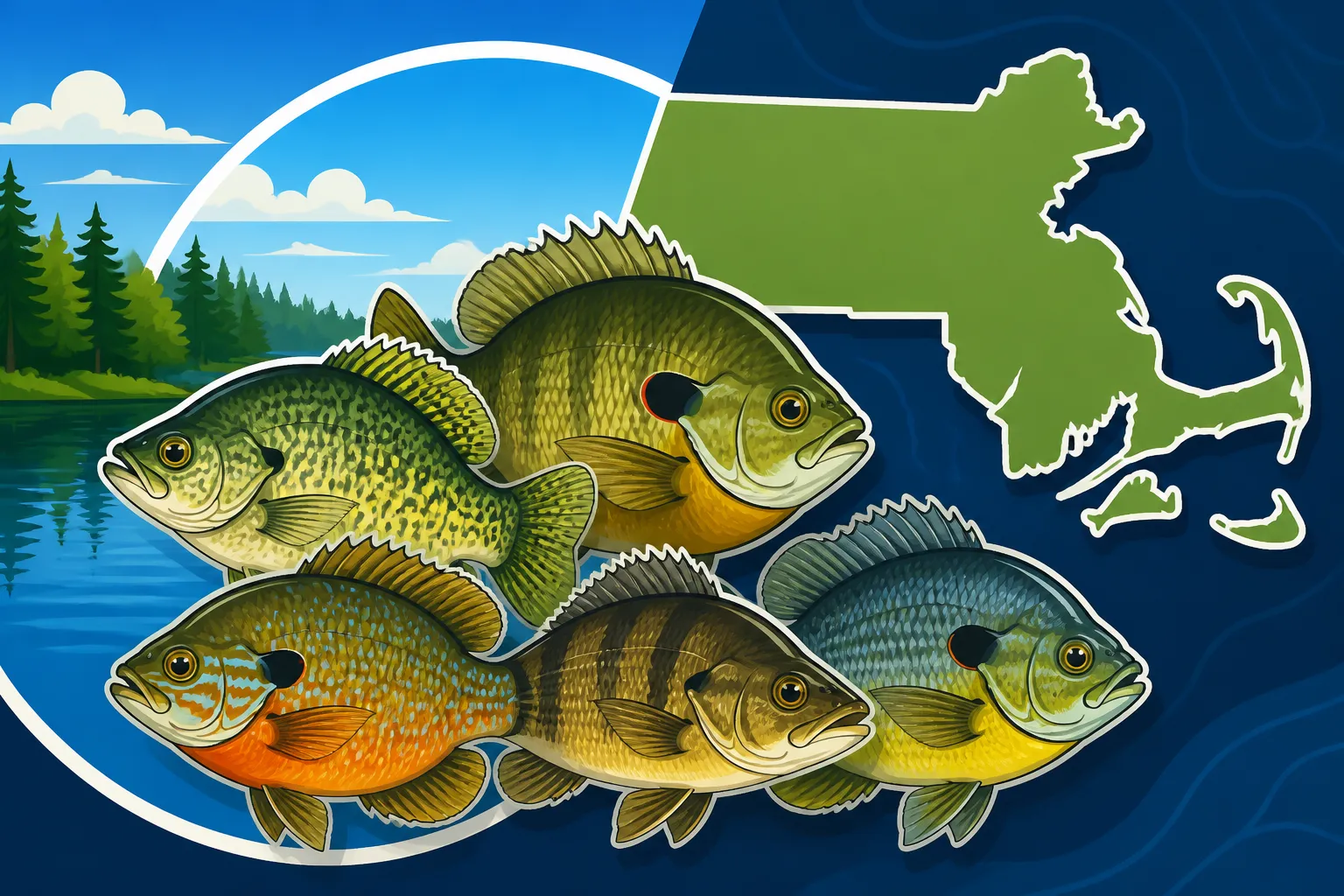
Sunfish are arguably the quintessential panfish, and Massachusetts waters are home to several vibrant species. The most common you'll encounter are the bluegill and the pumpkinseed.
- Bluegill: These guys are easily recognizable by their deep, slab-sided bodies, often with a dark spot at the base of their dorsal fin and a bluish sheen on their gill plates (hence the name). They're prolific breeders and form large schools, making them incredibly fun to catch. Bluegill love to hang around submerged vegetation, docks, and other structures where they can find cover and insects to eat. They're often the first fish a child catches, and the excitement of their quick, aggressive bite never gets old. They put up a surprisingly strong fight for their size, pulling hard on light tackle.
- Pumpkinseed: Just as colorful as their name suggests, pumpkinseeds are truly a jewel of our freshwater ponds. They have an iridescent, speckled pattern of greens, oranges, and blues, often with a bright orange or red spot on the tip of their gill flap. What a pumpkinseed sunfish is reveals their beauty. Like bluegill, they are structure-oriented, but they tend to prefer slightly clearer water and will readily take small worms or crickets. Catching a bright pumpkinseed on a sunny day is a real treat for the eyes!
Other sunfish you might encounter include green sunfish and redbreast sunfish, though they are less common or widespread than bluegill and pumpkinseed. All sunfish are excellent table fare, with sweet, flaky white meat.
Crappie: The Delicious Slab-Sided Fighters
Crappie, both black and white, are another prized panfish in Massachusetts. These fish are renowned for their delicate flavor and their willingness to bite, often schooling in large numbers.
- Black Crappie: More commonly found in Massachusetts, black crappie have a deep, compressed body with irregular black blotches or spots over a silvery-green background. They tend to prefer clearer water with abundant vegetation or submerged timber. They're also known as "paper mouths" due to their delicate mouth structure, which means you need a light touch when setting the hook. Crappie are legendary for their schooling behavior; when you find one, you've often found a whole school, leading to incredible fast-paced fishing.
- White Crappie: While less prevalent than black crappie, white crappie can also be found in some Massachusetts waters, particularly in larger, murkier lakes and rivers. They have a more silvery body with distinct vertical bands. Both species are highly sought after by anglers, especially in spring and fall, when they move into shallower waters to spawn or feed aggressively. They are fantastic to eat, hence their nickname "slab" when they grow to a good size. Crappie Fishing in Massachusetts Ponds can be some of the most exciting fishing around.
Yellow Perch: The Golden Stripes
Yellow perch are a true freshwater classic in Massachusetts, instantly recognizable by their distinct vertical black stripes against a golden-yellow body. Yellow Perch Fishing in Massachusetts is a beloved pastime, especially during ice fishing season.
These handsome fish are gregarious, often traveling in large schools, which means once you locate them, you can have continuous action. They thrive in a wide range of habitats, from large lakes and reservoirs to smaller ponds and slow-moving rivers. Yellow perch are opportunistic feeders, preying on insects, crustaceans, and smaller fish. They are particularly active during cooler months and are a staple for ice anglers, providing a dependable catch when many other species are dormant. Their meat is firm, white, and exceptionally delicious, making them a favorite for many dinner plates. A good "perch fry" is a culinary highlight for many New England anglers.
Chain Pickerel and Bullhead Catfish: Honorary Panfish
While not strictly members of the sunfish family, chain pickerel and bullhead catfish are often caught on panfish gear and are integral to the panfish fishing experience in Massachusetts.
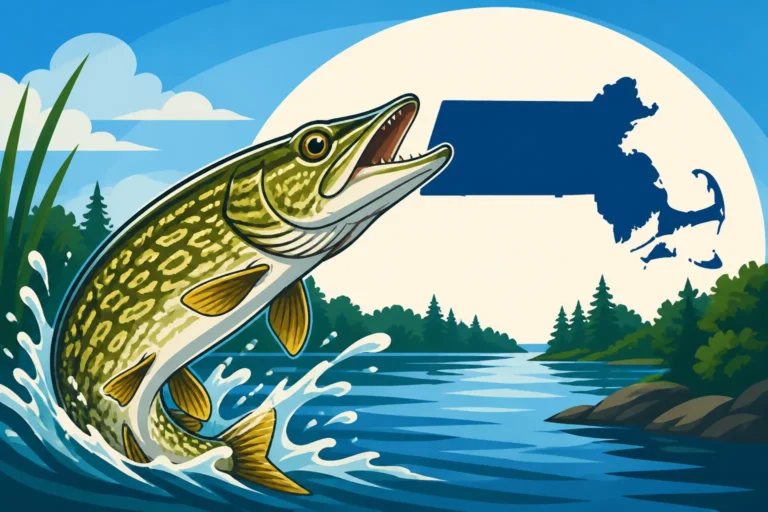
- Chain Pickerel: These slender, torpedo-shaped fish are small members of the pike family, easily identified by the distinctive chain-like pattern on their sides. They are voracious predators, often found lurking in weed beds or around submerged brush, waiting to ambush smaller fish. While they have a mouth full of sharp teeth, a smaller pickerel caught on light panfish tackle offers a surprisingly spirited fight. Many anglers include them in the panfish category because of their size and the ease with which they can be caught in the same waters as other panfish. Just be careful when unhooking them – those teeth are no joke! Chain Pickerel Fishing in Massachusetts can be a blast, and they're quite good to eat, too, if you don't mind navigating the Y-bones. Are Pickerel Good to Eat? Absolutely, with a little care in filleting.
- Bullhead Catfish: These whiskered bottom-dwellers are tough, hardy fish that can tolerate a wide range of water conditions, making them prevalent in many Massachusetts ponds and muddy-bottomed areas. The most common species you'll find is the brown bullhead. They're scavengers, feeding on anything from insects and worms to dead baitfish, and are particularly active at night. While they don't fight with the same flashy jumps as a bass, they offer a strong, steady pull. Catfish Species Found in Massachusetts include bullheads, and they are excellent eating, especially when fresh from clean water. Are Bullhead Catfish Native to Massachusetts? Yes, they are!
| Panfish Species | Key Identification | Typical Habitat | Best Baits/Lures | Notes |
|---|---|---|---|---|
| Bluegill | Deep body, dark spot on dorsal, blue gill plates | Weeds, docks, submerged structures | Worms, crickets, small jigs, flies | Aggressive biters, great for kids |
| Pumpkinseed | Iridescent colors, red/orange spot on gill | Clearer water, similar to bluegill | Worms, crickets, small jigs, flies | Very colorful, often coexist with bluegill |
| Black Crappie | Silvery-green, irregular black blotches | Submerged timber, brush, deep weeds | Minnows, small jigs, plastic tubes | Schooling fish, delicate mouth, excellent eating |
| Yellow Perch | Golden body, 6-8 distinct black bars | Lakes, ponds, rivers, various depths | Worms, minnows, small spoons, jigs | Schooling fish, popular for ice fishing, delicious |
| Chain Pickerel | Long body, chain-like pattern, sharp teeth | Heavy cover, weed beds | Spinnerbaits, spoons, shiners, worms | Aggressive, good fight, watch the teeth |
| Bullhead Catfish | Smooth, dark body, prominent whiskers | Muddy bottoms, slow currents | Worms, chicken liver, cut bait | Active at night, strong pull, good eating |
Finding the Best Panfish Spots in Massachusetts
One of the beautiful things about panfish is their widespread availability. You don't need a secret map or a specialized boat to find them. However, knowing where to focus your efforts will significantly increase your chances of a successful and enjoyable day.
Ideal Habitats: Ponds, Lakes, and Slow Rivers
Panfish thrive in a variety of freshwater environments across Massachusetts, but they generally prefer waters that offer a good balance of food, cover, and reasonable water quality.
- Ponds: Small to medium-sized ponds are absolute panfish factories. They often have abundant aquatic vegetation, fallen trees, and shallow areas that provide perfect habitat. Look for ponds with public access, like those found in state parks or local conservation areas. Many of these ponds are regularly stocked or have naturally reproducing populations of sunfish, crappie, and perch. These are often the easiest places to start, especially if you're fishing with children, as you can often find good action right from shore. Best Freshwater Ponds and Lakes in Massachusetts will often highlight many excellent panfish destinations.
- Lakes: Larger lakes, including our bigger reservoirs like Wachusett and Quabbin, also hold impressive panfish populations, though finding them might require a bit more effort dueating to the sheer size of the water body. In lakes, panfish will still relate to similar structures – weed lines, rocky points, submerged humps, and drop-offs. The key is to find those transitions where shallower, warmer water meets deeper, cooler water, or where cover provides a hiding spot from predators.
- Slow-Moving Rivers: While fast-flowing rivers might be challenging for panfish, the calmer sections, oxbows, backwaters, and tributaries of rivers like the Connecticut or Merrimack can be excellent panfish grounds. Look for areas with slower currents, overhanging banks, or woody debris where fish can escape the main flow and find food. These areas often offer a mix of species, including larger specimens that have access to more varied food sources.
Reading the Water for Panfish Hotspots
Once you're at your chosen body of water, it's time to put on your detective hat and "read" the water to identify prime panfish real estate. Panfish are creatures of habit, and they will almost always relate to some kind of structure or cover.
- Vegetation: Think lily pads, cattails, submerged weeds, and grass beds. This is often the most productive panfish habitat. The vegetation provides shelter from predators, shade from the sun, and a buffet of insects and small creatures for panfish to feed on. Cast your bait or lure along the edges of weed lines or into small pockets within the weeds.
- Shoreline Features: Overhanging trees, fallen logs, rocky banks, and brush piles along the shoreline are all magnets for panfish. These spots offer shade, cover, and often concentrate food. Don't be afraid to cast right up against the bank or into tight spots where fish might be hiding.
- Man-Made Structures: Docks, piers, bridge pilings, submerged culverts, and boat ramps are artificial structures that mimic natural cover and often hold panfish. These can be particularly good spots in ponds where natural cover is scarce. Fish will congregate around the pilings or underneath the shaded areas of docks.
- Depth Changes: As mentioned with lakes, panfish often utilize changes in depth, or "drop-offs." During the warmer parts of the day, they might move to slightly deeper, cooler water, only to return to shallower feeding flats during dawn and dusk. A simple depth finder can be helpful on a boat, but even from shore, you can often discern subtle changes in depth by how quickly your bobber disappears or your lure hits bottom. For families looking for easy access, Best pond for kids to fish near Boston will typically have easily accessible shorelines with these types of features.
Remember, panfish are rarely found in the middle of a vast, open expanse of water with no cover. They seek safety and food, and understanding that basic principle will guide you to where they are.
Essential Gear and Simple Techniques for Panfish
One of the greatest appeals of panfish fishing is its simplicity. You don't need a boatload of expensive equipment to have a fantastic day. In fact, some of the most effective panfish setups are incredibly basic, making this an ideal entry point for new anglers or a minimalist approach for seasoned pros.
Setting Up Your Panfish Rod and Reel
For panfish, finesse is key. You'll want light tackle that allows you to feel those delicate bites and enjoy the fight of even a small fish.
- Rods: A light or ultralight spinning rod, typically in the 5 to 6.5-foot range, is perfect. Look for a rod with a sensitive tip, which will help you detect subtle nibbles. Fiberglass rods are durable and forgiving, while graphite rods offer increased sensitivity. The lighter action makes even a small sunfish feel like a heavyweight.
- Reels: Pair your ultralight rod with a small spinning reel (size 1000 or 2000 is usually ideal). The reel doesn't need a heavy drag system or massive line capacity; smooth operation is more important.
- Line: Spool your reel with light monofilament line, typically 2 to 6-pound test. Monofilament is more forgiving than fluorocarbon or braid for beginners, has good knot strength, and its stretch can prevent small hooks from pulling out of a crappie's delicate mouth. Some experienced anglers might opt for braided line for its sensitivity, adding a fluorocarbon leader for stealth.
- Hooks: Small hooks are paramount for panfish. Sizes #8 to #12 are generally appropriate, depending on the bait size. You'll want fine-wire hooks that are sharp enough to penetrate easily. Aberdeens are a popular choice due to their long shank, which helps with baiting and hook removal.
When you're first getting started, or even if you're an experienced angler just looking for simple, effective gear, checking out options on Amazon can be a great way to find affordable combos or individual components. Just make sure to read reviews about sensitivity and durability.
Go-To Baits and Lures for Consistent Bites
Panfish aren't particularly picky eaters, which is another reason they're so much fun to target. Both natural baits and artificial lures can be incredibly effective.
- Natural Baits:
- Worms: The undisputed champion. A small piece of a nightcrawler or a whole red wiggler threaded onto a tiny hook is irresistible to almost any panfish. Keep them lively!
- Crickets/Grasshoppers: In warmer months, insects are a natural food source. A live cricket under a bobber can be dynamite, especially for sunfish.
- Minnows: Live minnows are a go-to for crappie and larger yellow perch, and will also attract pickerel. Hook them lightly through the lip or just behind the dorsal fin.
- Corn: Believe it or not, a few kernels of canned corn on a tiny hook can be surprisingly effective for sunfish and some perch, especially in pressured waters.
- Artificial Lures:
- Small Jigs: Tiny leadhead jigs (1/32 to 1/16 ounce) tipped with a small plastic grub, tube, or even just a piece of worm, are incredibly versatile. Chartreuse, white, and black are classic colors. This is a primary tool for Best technique for catching crappie in Massachusetts.
- Spinners: Ultra-light inline spinners with a small blade can be deadly for panfish, especially yellow perch and even small pickerel. Brands like Mepps and Panther Martin in sizes #0 or #1 are perennial favorites.
- Plastic Baits: Small soft plastic baits resembling minnows, worms, or insect larvae, often fished on a tiny jig head, are very effective. Many come scented to further entice bites. Look for micro-jigs and small plastic bodies on Amazon for a wide selection.
- Flies: If you're a fly angler, tiny wet flies, nymphs, or even small poppers can deliver incredible panfish action, especially for sunfish and crappie on a calm evening.
Mastering Basic Panfish Presentations
Once you have your gear and bait, how do you present it to the fish? The beauty of panfish fishing is its simplicity, but a few key techniques will consistently put fish in the net.
- Bobber Fishing (Float Fishing): This is the classic, quintessential panfish technique, perfect for beginners and seasoned anglers alike. It's incredibly visual and relaxing.
- Setup: Tie a small hook directly to your line, add a split shot or two a few inches above the hook to help the bait sink, and then clip a small bobber (a red-and-white round bobber or a slip bobber) to your line. Set the bobber so your bait hangs just above the bottom or at a depth where you expect fish to be (e.g., around weed tops).
- Technique: Cast your bait near cover and let it sit. Watch the bobber carefully. Any twitch, dip, or sideways movement usually signals a bite. When it goes down decisively, gently set the hook with a slight upward sweep of your rod.
- Bottom Fishing: Sometimes, panfish, especially bullhead catfish and larger perch, hug the bottom.
- Setup: Use a small hook and a heavier sinker (like a bell sinker or an egg sinker) to get your bait down. You can use a simple paternoster rig or a small sliding sinker rig.
- Technique: Cast out and let your bait settle on the bottom. Keep a slight tension on your line and watch your rod tip for bites, which will often be gentle taps or a steady pull. This is a great way to target Best bait for yellow perch as they often feed on bottom-dwelling insects.
- Jigging: This is a more active presentation, excellent for crappie and perch.
- Setup: Tie a small jig (with or without a plastic trailer) directly to your line.
- Technique: Cast the jig near cover and let it sink. Once it reaches the desired depth, use short, sharp upward jerks of your rod tip, then let the jig fall on a semi-slack line. Most bites occur on the fall, so watch your line for any twitches or pauses. You can also vertical jig directly below a boat or from a pier.
- Slow Retrieve: For small spinners or jigs, a slow, steady retrieve is often all it takes to entice a strike. Experiment with retrieve speed and occasional pauses to see what the fish prefer.
No matter the technique, remember that panfish are often schooled. If you catch one, cast in the same spot again – there's likely more where that came from!
Panfish Fishing Through the Seasons: Year-Round Opportunity
One of the most appealing aspects of chasing panfish in Massachusetts is that they offer fantastic opportunities virtually year-round. While their behavior changes with water temperature and spawning cycles, a diligent angler can find consistent action in any season.
Seasonal Strategies for Spring, Summer, and Fall
Each season brings its own nuances to panfish fishing. Understanding these patterns can help you tailor your approach for maximum success.
- Springtime Panfish Frenzy: As ice melts and water temperatures begin to rise, panfish become incredibly active. This is often the most exciting time to target them, especially crappie and sunfish. They move into shallower water, often near spawning beds, where they are easily accessible from shore. They're hungry after the long winter and eager to feed. Look for areas warmed by the sun, like dark-bottomed coves or shallow flats. Small jigs, worms, and minnows are incredibly effective during this time. The pre-spawn and spawn periods for crappie, in particular, can lead to incredible numbers of fish caught.
- Summer's Steady Bites: Summer fishing for panfish remains excellent, though they might move slightly deeper during the hottest parts of the day to find cooler water and more oxygen. Early morning and late evening often provide the best action in the shallows. During midday, focus on deeper weed lines, the shaded areas under docks, or drop-offs. Topwater poppers for sunfish can be a blast on calm summer evenings! This is a great time to experiment with small spinnerbaits or subtle plastic worm presentations for larger panfish. The key is finding that balance between warmth and comfort for the fish.
- Fall Panfish Opportunities: As water temperatures cool down in the autumn, panfish often go through another burst of aggressive feeding, fattening up for the winter ahead. They'll often return to shallower areas, sometimes in large schools, making them easy targets. Look for them concentrated around baitfish or dying vegetation. This can be a fantastic time for yellow perch and crappie, which will readily hit small minnows or jigs. The crisp air and beautiful foliage make fall panfishing a truly enjoyable experience. Many anglers consider autumn a second spring for panfish action.
Ice Fishing: A Massachusetts Winter Tradition for Panfish
When winter descends and freezes our lakes and ponds, the panfish action doesn't stop – it just goes vertical! Ice fishing for panfish is a beloved Massachusetts tradition, offering a unique and often highly productive way to fill a bucket.
- Targeting Panfish Under the Ice: Yellow perch and crappie are prime targets for ice anglers. They tend to school up more tightly in winter, making them easier to locate once you find a productive hole. Sunfish are also caught, though often in shallower areas. Key structures remain important: deep weed lines, rock piles, and points that extend into deeper water. Using a flasher or fish finder can be a game-changer for locating these schools under the ice.
- Gear for Ice Panfishing: Specialized ice fishing rods are short (24-36 inches), stiff enough to handle fish but sensitive enough to detect light bites. Small reels, often spinning reels or simple inline ice reels, are used. Tiny jigs, often tipped with a grub, a wax worm, or a small piece of minnow, are the baits of choice. Tungsten jigs are popular because they are dense and sink quickly despite their small size. Tip-ups are also effective, especially for pickerel or larger perch, using a small shiner as bait.
- Safety First: Ice safety is paramount. Always check ice thickness before venturing out, and be aware of changing conditions. A general rule of thumb is at least 4 inches of clear, solid ice for safe walking. Ice Fishing Techniques for Massachusetts Ponds is a fantastic resource, but remember to prioritize safety above all else. Best Ice Fishing Gear for Massachusetts Winters will also include essential safety items like ice picks and a spud bar.
Panfish fishing truly offers a gateway to year-round angling enjoyment in Massachusetts. Whether it's a warm spring day or a frigid winter morning, there's always an opportunity to tangle with these feisty, delicious fish.
The Joy of Panfish: Beyond the Catch
While the thrill of the bite and the steady action are undoubtedly a huge draw, panfish offer so much more to the angler and their family. They embody accessibility, environmental health, and the simple pleasure of a meal from your own efforts.
Great Table Fare and Family Fun
Let's not beat around the bush: panfish are delicious. Their firm, white, and often sweet meat is perfect for a quick fry-up, which is precisely how they earned their name. A fresh catch of yellow perch or crappie, lightly breaded and fried, is a culinary delight that rivals many larger game fish. Even sunfish, often overlooked for the plate due to their smaller size, yield tasty fillets. It's incredibly satisfying to bring home a mess of fish and prepare them for dinner, knowing exactly where your food came from. Are There Crappie in Massachusetts Lakes? Yes, and they make great eating!
Beyond the plate, panfish are synonymous with family fun. They are the perfect species to introduce children to fishing. The frequent bites keep young anglers engaged and prevent boredom, building excitement and confidence. There's nothing quite like seeing a child's eyes light up as they reel in their first fish, no matter how small. A simple rod, a bobber, a worm, and a local pond – it's a formula for creating cherished memories and fostering a love for the outdoors. It's not about the size of the fish, but the size of the smile. Best pond for kids to fish near Boston will likely be teeming with these accessible species.
Conservation and Sustainable Panfishing
While panfish are generally abundant and prolific, it's still important to practice responsible angling to ensure healthy populations for future generations. Massachusetts has specific Massachusetts Freshwater Daily Catch Limits that apply to various species, including panfish. Always familiarize yourself with these regulations before you head out.
- Size and Bag Limits: Adhere to any published size or bag limits, even if panfish seem plentiful. These limits are in place to prevent overfishing and maintain ecological balance.
- Release Practices: If you're not planning to eat your catch, practice proper catch-and-release techniques. Handle fish gently with wet hands, remove hooks quickly, and release them in healthy water. Consider using barbless hooks for easier release, especially if you're doing a lot of catch-and-release fishing.
- Respect the Habitat: Always pack out everything you pack in. Leave no trace of your visit, and respect private property boundaries. By being good stewards of our natural resources, we ensure that the joy of panfishing can be shared for years to come.
Panfish are a vital part of the Massachusetts freshwater ecosystem, serving as both predator and prey, and providing countless hours of enjoyment for anglers. By understanding them, respecting them, and enjoying them responsibly, we can celebrate these small but mighty fish for generations.
Disclaimer
This article is for general informational purposes only and does not constitute professional advice. Laws, prices and regulations vary by location and change over time. Consult a qualified professional for guidance on your specific situation.